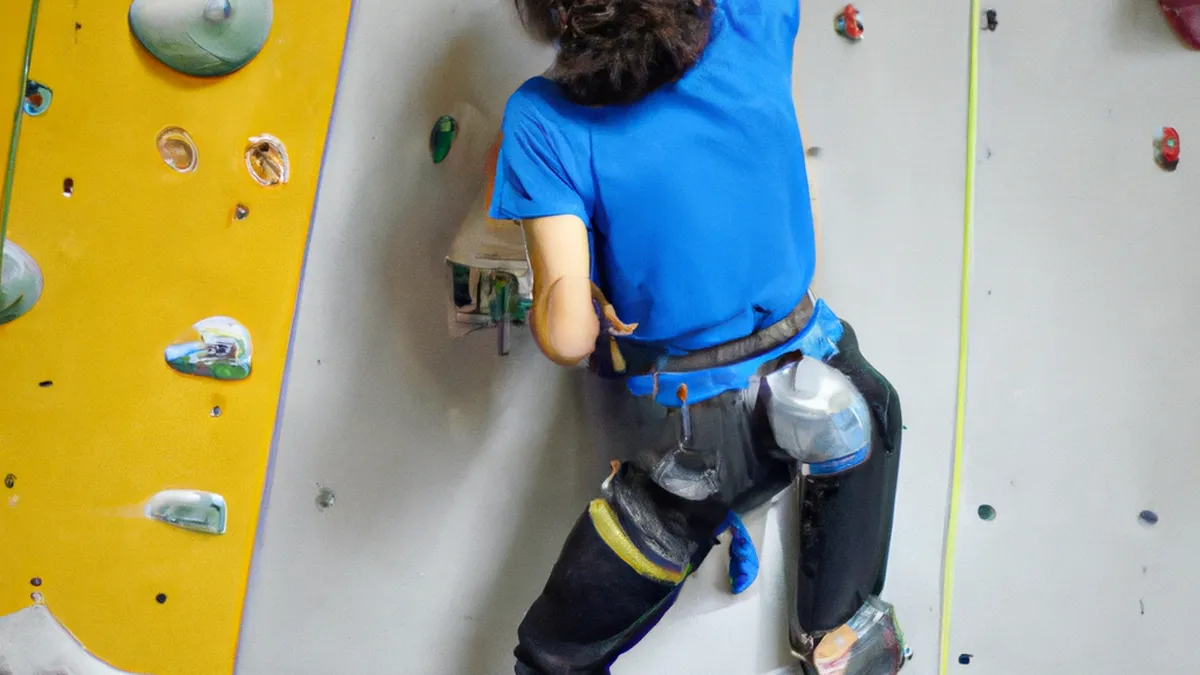
Dance Your Way to Improved Balance
Balance Training for Older AdultsAs we age, maintaining balance becomes vital. Falls can cause serious injuries, such as fractures and head trauma. These injuries can significantly affect an older adult’s quality of life. Therefore, older adults should prioritize balance training. This blog post discusses effective balance training techniques, provides helpful tips, and highlights the benefits of maintaining balance.
Why Balance Training Matters
Balance training improves stability and coordination. These skills are essential for activities like walking, climbing stairs, and standing up. Research indicates that falls significantly injure older adults, impacting millions annually. Engaging in balance training can significantly lower fall risk for older adults.Enhancing balance also boosts overall physical fitness. A balanced fitness routine with balance exercises maintains strength and flexibility, both crucial for daily functioning. Regular balance exercises increase confidence in daily activities. With improved balance, older adults can enjoy life fully without the fear of falling.
Tips for Effective Balance Training
As an Amazon Associate I earn from qualifying purchases.
Gear tip: consider stretching strap, yoga blocks, and mobility sliders to support this topic.
Start Slow
Start slow when beginning balance training. Begin with simple exercises that don’t strain your body. For example, stand on one leg for a few seconds. Hold onto a chair or countertop for support if necessary. Gradually increase your standing duration and challenge yourself without support. Walking heel-to-toe along a straight line enhances balance. These basic exercises build a strong foundation for advanced movements.
Incorporate Strength Training
Strength training is essential for balance training. Strong muscles improve balance and stability. Focus on strengthening your legs, core, and hips. These areas are crucial for maintaining balance. Exercises like squats, lunges, and leg raises enhance lower body strength. Resistance bands safely add extra resistance, providing a low-impact strength training option. This combination maximizes your results, making you more resilient to falls.
Use Support When Necessary
Use support during training if needed. A sturdy chair, countertop, or wall can provide stability while practicing. This support allows you to focus on balance without fearing falls. As you gain confidence, gradually reduce your reliance on these aids. Challenge yourself safely while building your skills.
Stay Mindful of Your Surroundings
Be aware of your surroundings when practicing balance exercises. Choose a clutter-free space to avoid hazards. Ensure the floor is non-slippery, and avoid practicing near stairs or other dangers. Creating a safe environment allows you to focus on training without worrying about accidents.
Advice for Creating a Routine
Aim
Set realistic goals for your balance training routine. Aim for consistency and gradually increase the challenge.
Conclusion
Balance training is essential for older adults. It enhances stability, confidence, and overall well-being while reducing fall risks.
Below are related products based on this post:
FAQ
Why is balance training important for older adults?
Balance training is vital for older adults as it improves stability and coordination, which are essential for daily activities like walking and climbing stairs. Falls can lead to serious injuries that impact quality of life, making balance training a crucial preventative measure.
What are some effective balance training techniques?
Effective balance training techniques include starting with simple exercises such as standing on one leg and walking heel-to-toe. Incorporating strength training exercises like squats and lunges also enhances balance and stability, making it easier to maintain physical independence.
How can older adults create a safe environment for balance training?
Creating a safe environment for balance training involves choosing a clutter-free space and ensuring the floor is non-slippery. It’s also important to practice away from stairs or other hazards, allowing older adults to focus on their exercises without the risk of accidents.













Post Comment