
Sandbags: Age-Appropriate Performance Tips
Age-Specific Sandbag Performance GoalsSandbags serve as versatile training tools that enhance strength, endurance, and coordination. They challenge people of all ages and optimize fitness regimens. Setting age-specific performance goals improves training outcomes. This post explores these goals, offers tips, and highlights the benefits of sandbag training.
Understanding Age-Specific Needs
Each age group possesses unique physical capabilities, goals, and challenges. Recognizing these differences ensures effective training and injury prevention. Let’s examine performance goals for each age group.
Children and Adolescents
For children aged 6 to 12, focus on developing basic functional movements. At this age, kids refine motor skills and coordination. Prioritize bodyweight exercises before introducing sandbags. Once they master squats, lunges, and push-ups, introduce a 10-20 pound sandbag. Set goals like lifting it for 10 repetitions.Make training fun and engaging. Incorporate games or challenges with sandbags to inspire a love for exercise. Emphasize participation over competition to encourage lifelong fitness habits.In the teenage years (ages 13-17), strength gains become more achievable. Teens can handle heavier sandbags, typically weighing 20 to 40 pounds. Set performance goals like performing 15 clean and presses or 10 squats with proper form. Emphasize technique to prevent injuries.
Young Adults
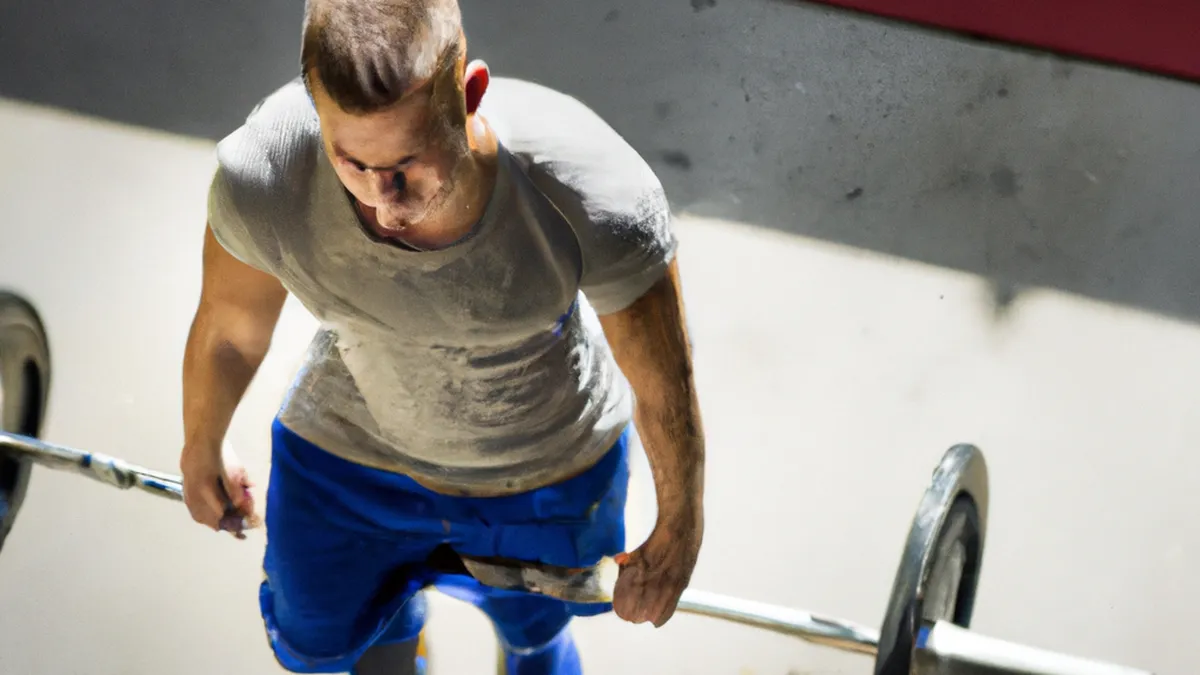
Young adults, aged 18 to 35, often seek to build muscle and improve athletic performance. This group can pursue challenging goals. Consider benchmarks like deadlifting a sandbag equal to body weight or performing 20 thrusters with a 40-60 pound bag.Incorporate high-intensity interval training (HIIT) with sandbags for variety and cardiovascular benefits. Include functional movements like sandbag carries, cleans, and snatches for athletic performance.
Middle-Aged Adults
For those aged 36 to 55, focus on functional fitness that supports daily activities. As metabolism slows and recovery times increase, set realistic performance goals. Aim to complete 15 sandbag carries or 10 overhead squats with a 40-60 pound bag.Prioritize joint health and flexibility through mobility exercises and proper warm-ups. Functional training helps maintain independence, making daily tasks easier. Incorporate rest days and active recovery as essential components.
Conclusion
As an Amazon Associate I earn from qualifying purchases.
Gear tip: consider foam roller, hip thrust pad, and weightlifting shoes to support this topic.
Incorporating age-specific sandbag performance goals enhances training effectiveness and promotes lifelong fitness. Embrace the versatility of sandbags for all age groups.
Below are related products based on this post:
FAQ
What are the benefits of using sandbags for training?
Sandbags are versatile training tools that enhance strength, endurance, and coordination. They provide unique challenges suitable for all ages, making workouts more engaging and effective.
What performance goals should children and adolescents focus on when using sandbags?
Children aged 6 to 12 should prioritize developing basic functional movements and can start with a 10-20 pound sandbag after mastering bodyweight exercises. For teenagers, goals can include performing 15 clean and presses or 10 squats with a heavier sandbag, emphasizing proper technique to prevent injuries.
How can young adults effectively use sandbags in their training?
Young adults aged 18 to 35 can set challenging goals such as deadlifting a sandbag equal to their body weight or completing 20 thrusters with a 40-60 pound bag. Incorporating high-intensity interval training and functional movements can also enhance athletic performance.











Post Comment