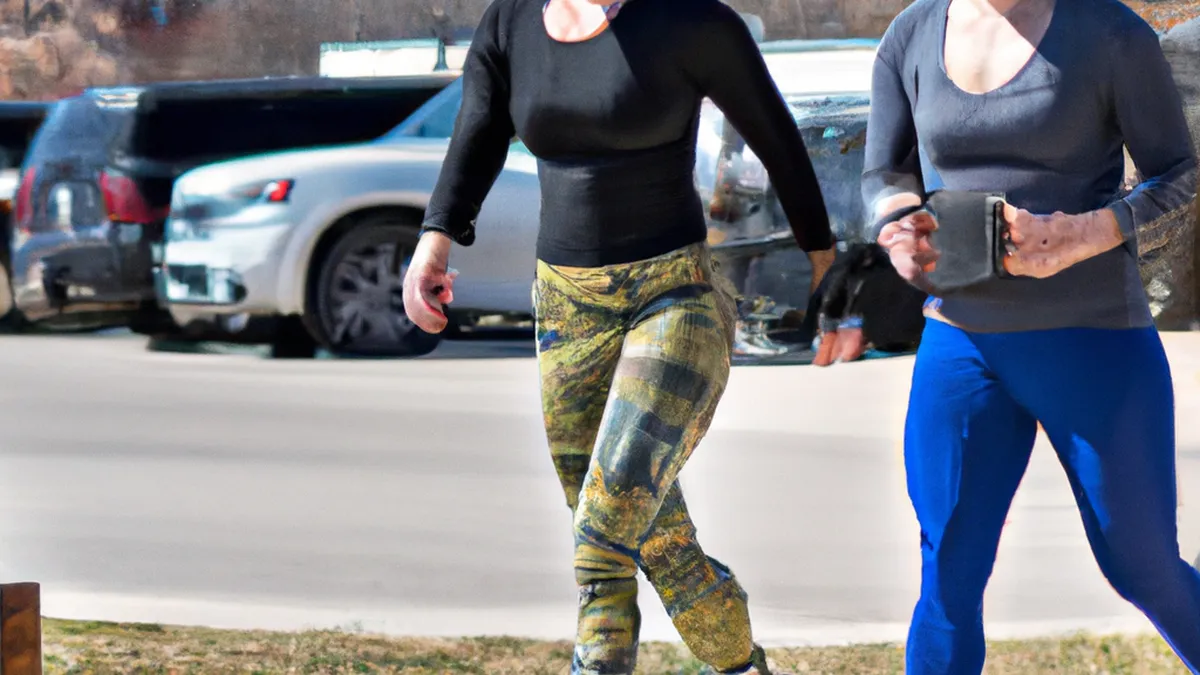
Walk Stronger: Must-Try Flexibility Tips
Flexibility Routines for WalkersWalking stands as a simple and effective exercise. You can do it almost anywhere without special equipment. Walking offers numerous health benefits. However, many walkers ignore flexibility’s role in fitness. Adding flexibility exercises to your walking routine enhances your experience, boosts performance, and prevents injuries. This article highlights flexibility’s importance for walkers, key exercises, and tips for an effective routine.
Why Flexibility Matters for Walkers
Flexibility significantly impacts your walking comfort and effectiveness. Flexible muscles and joints allow full range of motion, crucial for natural strides. Here are several reasons why flexibility is vital for walkers:
Improved Range of Motion
Flexibility lets your joints move freely, improving your range of motion. This benefits your hips, knees, and ankles, which are key for walking. A greater range of motion leads to a more efficient stride, helping you cover more ground easily.
Injury Prevention
Tight muscles often cause common walking injuries, like strains and sprains. When muscles remain tight, they become more injury-prone during repetitive walking. Regular stretching can reduce your injury risk.
Enhanced Balance and Coordination
Flexibility also improves balance and coordination. Flexible muscles respond better to changes in terrain or conditions. This ability helps maintain stability on uneven surfaces.
Better Shock Absorption
Flexible muscles absorb impacts effectively, minimizing joint stress during walks. Long-distance walkers especially benefit from this, as they apply significant strain on their lower body. Enhanced flexibility helps protect your joints from wear.
Improved Recovery
Integrating flexibility routines into your walking can speed recovery time. Stretching after a walk alleviates soreness and stiffness, allowing quicker return to your routine.
Key Flexibility Exercises for Walkers
As an Amazon Associate I earn from qualifying purchases.
Gear tip: consider stopwatch, stretching strap, and yoga blocks to support this topic.
Incorporate these exercises into your routine to enhance flexibility. Each targets muscle groups heavily used in walking.
1. Standing Quad Stretch
This stretch targets the quadriceps and hip flexors, essential for proper walking mechanics.**How to do it:**- Stand tall and hold onto a wall or chair for balance.- Bend your right knee, bringing your heel toward your glutes.- Grasp your right ankle with your right hand, keeping your knees together.- Hold for 15-30 seconds.- Switch sides and repeat.
2. Hamstring Stretch
Tight hamstrings can lead to discomfort and injury.**How to do it:**- Sit on the ground with your legs straight.- Reach for your toes, keeping your back straight.- Hold for 15-30 seconds.
Conclusion
Flexibility is essential for walkers. It enhances performance, prevents injuries, and improves recovery. Incorporate these exercises into your routine for better walking experiences.
Below are related products based on this post:
FAQ
Why is flexibility important for walkers?
Flexibility is crucial for walkers as it significantly impacts walking comfort and effectiveness. It allows joints to move freely, improving the range of motion in key areas such as hips, knees, and ankles, which helps in achieving a more efficient stride.
How can flexibility exercises prevent injuries?
Tight muscles can lead to common walking injuries, such as strains and sprains. By incorporating regular stretching into a walking routine, walkers can reduce the risk of injuries caused by tightness during repetitive movements.
What are some key flexibility exercises for walkers?
Key flexibility exercises for walkers include the Standing Quad Stretch and the Hamstring Stretch. These exercises target muscle groups heavily used in walking, helping to enhance overall flexibility and improve walking performance.














Post Comment