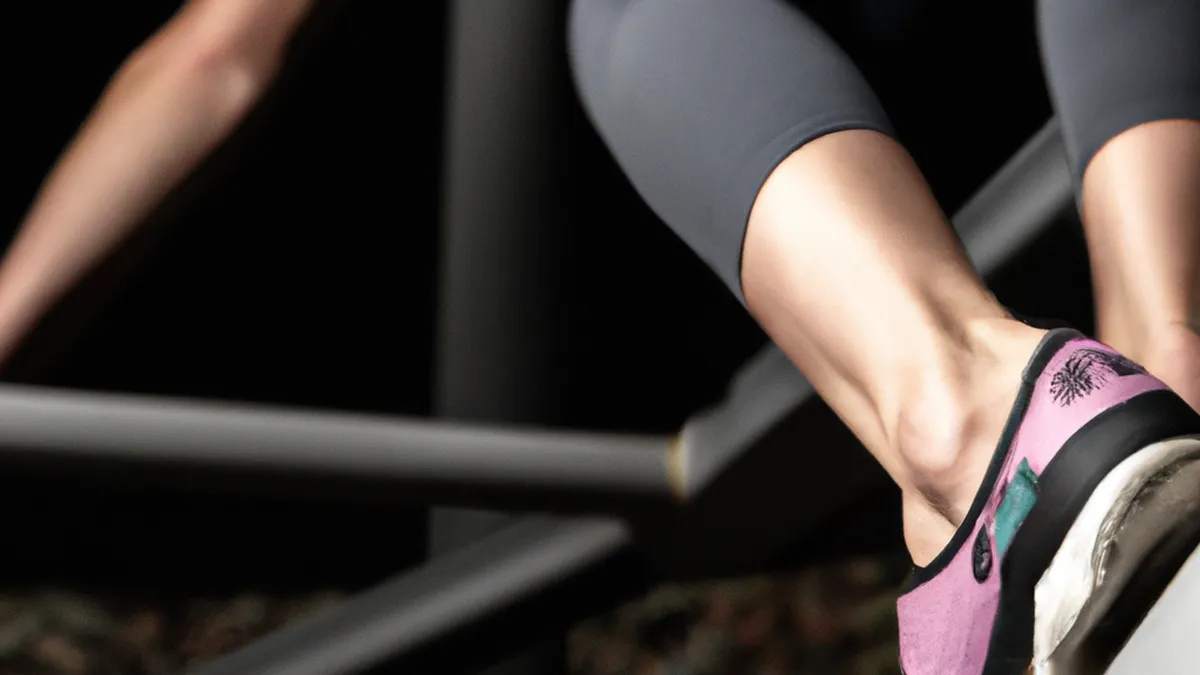
Decompress: Post-Climb Stretching Techniques
Stretching Routines Pre- and Post-ClimbClimbing demands flexibility, strength, and focus. Prepare your body adequately before and after each climb. Stretching plays a crucial role in this preparation. This blog post explores effective stretching routines to enhance your climbing experience.
Why Stretching Matters
Stretching prevents injuries and increases blood flow to your muscles. It enhances overall flexibility and improves your wall performance. Additionally, stretching helps you recover after climbing.
Pre-Climb Stretching Routine
As an Amazon Associate I earn from qualifying purchases.
Gear tip: consider yoga blocks, running headlamp, and stretching strap to support this topic.
Warm up your muscles before climbing. A good warm-up improves your range of motion and reduces injury risk. Follow this routine to prepare your body.
Dynamic Stretches
Dynamic stretches involve movement and effectively warm up your muscles and joints. Try these dynamic stretches:1. **Arm Circles**: Stand tall, extend your arms, and make small circles. Gradually increase their size for 30 seconds in both directions.2. **Leg Swings**: Hold onto a wall for balance. Swing one leg forward and backward for 15 swings on each leg.3. **Torso Twists**: Stand with feet shoulder-width apart. Rotate your torso side to side for 30 seconds to loosen your back.
Climbing-Specific Stretches
Include climbing-specific stretches that target climbing muscles. Here are some effective options:1. **Shoulder Stretch**: Reach one arm across your body. Use the opposite hand to pull it closer. Hold for 15 seconds on each side.2. **Hip Flexor Stretch**: Step forward into a lunge with one leg. Keep your back leg straight and push your hips forward. Hold for 15 seconds on each side.3. **Calf Stretch**: Place your hands against a wall. Step back with one leg, keeping it straight. Bend your front knee and press your back heel into the ground. Hold for 15 seconds on each side.
Post-Climb Stretching Routine
Cool down and stretch after your climb. This routine helps your muscles recover and reduces soreness.
Static Stretches
Static stretching involves holding a position for a set period. These stretches improve flexibility and relaxation. Try these effective static stretches:1. **Hamstring Stretch**: Sit with one leg extended. Reach toward your toes while keeping your back straight. Hold for 20-30 seconds on each leg.2. **Quadriceps Stretch**: Stand and grab your ankle behind you. Pull your heel toward your glutes, keeping your knees together. Hold for 20-30 seconds on each leg.3. **Upper Back Stretch**: Interlace your fingers and extend your arms in front. Round your upper back and hold for 20-30 seconds to release tension.
Full Body Relaxation
Incorporate full-body stretches to relax after climbing. Here are a few suggestions:1. **Child’s Pose**: Kneel and sit back on your heels. Extend your arms forward and lower your torso. Hold for 30 seconds.2. **Downward Dog**: From a plank position, lift your hips. Press your heels toward the ground. Hold for 30 seconds to stretch your back and legs.3. **Seated Forward Bend**: Sit with your legs extended. Hinge at your hips and reach forward. Hold for 30 seconds to stretch your hamstrings and back.
Benefits of Stretching
Implementing pre- and post-climb stretches offers numerous benefits. Stretching enhances flexibility for better movement on the wall. It reduces muscle soreness and stiffness, making recovery easier. Additionally, stretching can improve your overall performance. Warm and flexible muscles help you climb efficiently.Regular stretching increases your range of motion, leading to improved technique and power. You may notice an increase in climbing grades over time. Lastly, stretching promotes relaxation and mindfulness. It allows you to focus on your body and breath before and after climbing.
Conclusion
Incorporate effective stretching routines before and after your climbs for optimal performance and recovery. Dynamic stretches prepare your body for climbing’s physical demands, while static stretches aid muscle recovery. Embrace these routines to enhance your climbing experience and reduce injury risk. Next time you hit the wall, remember to stretch! Your body will thank you.
Below are related products based on this post:
FAQ
Why is stretching important for climbing?
Stretching is crucial for climbing as it prevents injuries and increases blood flow to your muscles. It enhances overall flexibility, improves wall performance, and aids in recovery after climbing.
What are some effective pre-climb stretches?
Effective pre-climb stretches include dynamic stretches such as arm circles, leg swings, and torso twists. Additionally, incorporating climbing-specific stretches like shoulder stretches, hip flexor stretches, and calf stretches can better prepare your body for the climb.
How can post-climb stretching help?
Post-climb stretching helps cool down your muscles, aiding in recovery and reducing soreness. Incorporating static stretches, such as hamstring stretches, quadriceps stretches, and upper back stretches, can improve flexibility and promote relaxation after climbing.














Post Comment