
Succeed in Endurance Sports Amid Restrictions
Endurance Training with Dietary RestrictionsEndurance training pushes your body and mind during long-distance running, cycling, swimming, or other sustained activities. Nutrition plays a vital role in enhancing performance and recovery. Many athletes face dietary restrictions due to allergies, personal choices, or health conditions. These limitations complicate training, but effective strategies can help you thrive in endurance pursuits.
Understanding Your Dietary Restrictions
Understand your dietary restrictions before starting endurance training. Are you vegan, gluten-free, lactose intolerant, or allergic to specific foods? Identifying these restrictions helps you create a supportive nutrition plan.Consult a registered dietitian or nutritionist for tailored guidance. A professional can craft a diet that respects your limitations while ensuring you receive essential nutrients. They can also help you meet energy demands during intense training.
The Importance of Nutrition in Endurance Training
As an Amazon Associate I earn from qualifying purchases.
Gear tip: consider swim goggles, swim cap, and kickboard to support this topic.
Nutrition fuels your body, aids recovery, and prevents injuries in endurance sports. Focus on whole foods and nutrient-dense options when you have dietary restrictions.
Focus on Whole Foods
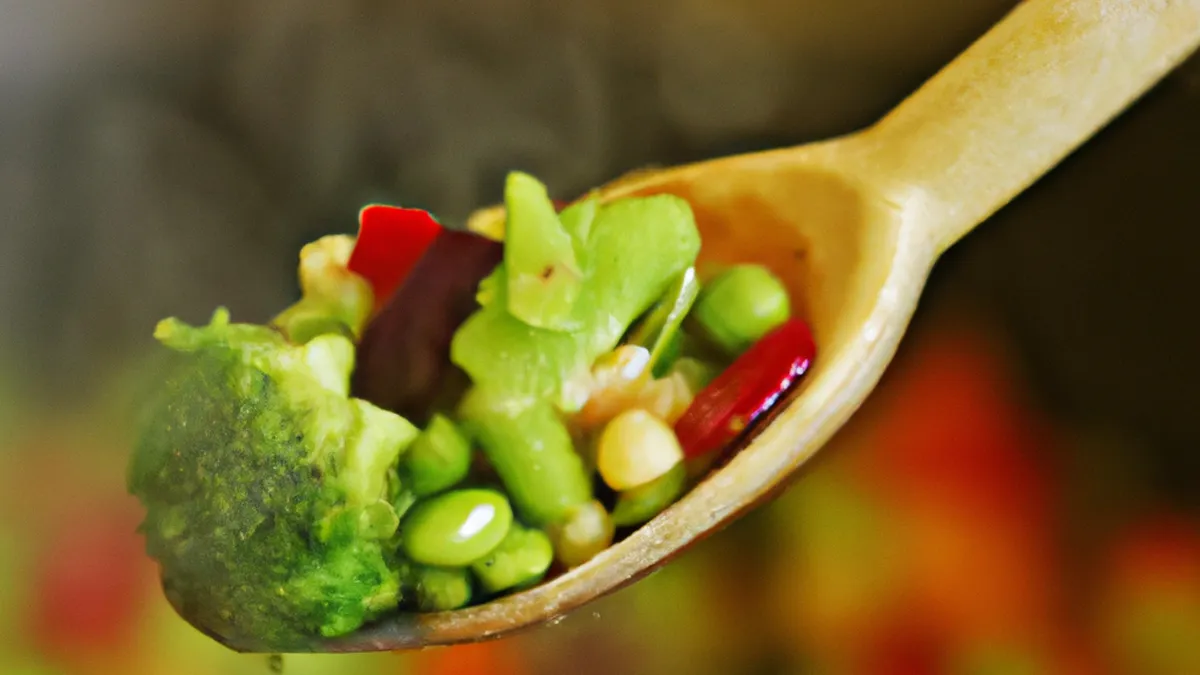
Whole foods retain natural nutrients and minimize processing. They provide essential vitamins, minerals, and macronutrients necessary for energy production and recovery. Incorporate a variety of fruits, vegetables, lean proteins, and whole grains into your meals. For example:- **Fruits**: Choose bananas, berries, and oranges for quick energy. They offer carbohydrates and antioxidants that reduce inflammation.- **Vegetables**: Include leafy greens like spinach and kale for vitamins and minerals. Use root vegetables like sweet potatoes for complex carbohydrates.- **Proteins**: For plant-based options, choose lentils, chickpeas, and quinoa. If you consume animal products, opt for lean meats, fish, and eggs for muscle repair.
Hydration is Key
Hydration significantly impacts performance during endurance training. Losing even a small percentage of body weight due to dehydration can impair performance. If you have dietary restrictions, choose hydrating beverages that fit your needs, such as:- **Electrolyte drinks**: Many gluten-free and dairy-free options can replenish lost fluids and electrolytes.- **Coconut water**: This natural beverage hydrates and contains potassium, making it a great alternative to commercial sports drinks.
Meal Timing and Planning
Strategic meal planning around your training schedule is essential. Prepare meals before and after training to optimize performance and recovery.
Conclusion
Nutrition and understanding dietary restrictions are key for endurance training success. Focus on whole foods, hydration, and meal planning to enhance performance.
Below are related products based on this post:
FAQ
What should I consider regarding my dietary restrictions before starting endurance training?
It’s important to identify any dietary restrictions you may have, such as being vegan, gluten-free, or lactose intolerant. Understanding these limitations will help you create a supportive nutrition plan that meets your energy demands while training.
Why is nutrition crucial for endurance training?
Nutrition is vital because it fuels your body, aids in recovery, and helps prevent injuries during endurance sports. Focusing on whole foods ensures you receive the necessary vitamins, minerals, and macronutrients for optimal performance.
How can I ensure proper hydration during endurance training?
Hydration is key to maintaining performance, as even slight dehydration can impair your abilities. Choose hydrating beverages that fit your dietary needs, such as gluten-free electrolyte drinks or coconut water, to effectively replenish lost fluids and electrolytes.












Post Comment