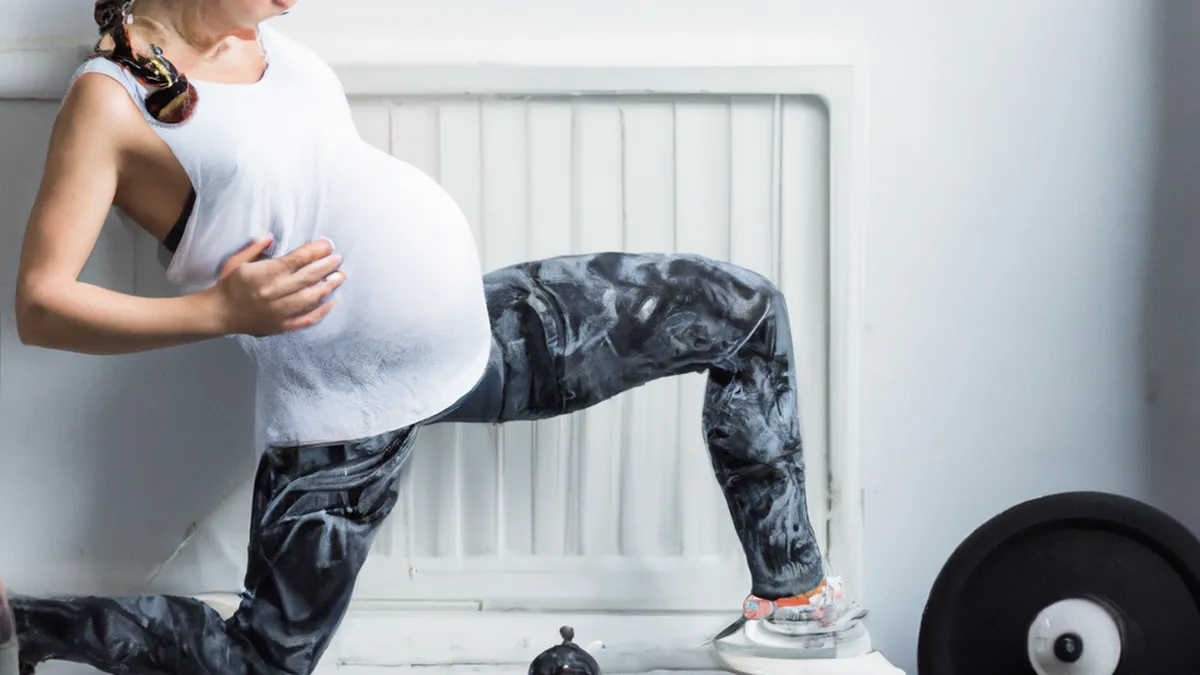
Safeguard Your Workout: Pregnancy Edition
Safe Training During PregnancyPregnancy transforms your body and life. Expectant mothers often worry about continuing exercise safely. Fortunately, with proper guidance, women can stay active throughout pregnancy. Safe training benefits both the mother and the baby’s development.
Why Exercise During Pregnancy is Important
Regular physical activity during pregnancy offers many benefits. First, it helps manage weight gain. Women should aim for 25 to 35 pounds of weight gain, depending on pre-pregnancy weight. Exercise helps control excessive weight gain and promotes a healthy pregnancy.Exercise also alleviates common discomforts like back pain, fatigue, and swelling. Strengthening exercises improve muscle tone, easing the physical demands of pregnancy. Studies show physically active women face fewer complications during labor, enjoy shorter labors, and recover faster after delivery.Exercise boosts mental health by improving mood and reducing anxiety. Physical activity releases endorphins, natural mood lifters. Many women feel more energized and less stressed with regular exercise during pregnancy.
Tips for Safe Training
As an Amazon Associate I earn from qualifying purchases.
Gear tip: consider soft flasks, anti-chafe balm, and running belt to support this topic.
Safety is crucial during pregnancy. Here are essential tips to follow:
Listen to Your Body
Listen to your body while exercising. Pregnancy brings significant changes, and what felt comfortable before may not suit you now. If you experience discomfort, pain, or fatigue, stop and assess your feelings. Always prioritize your safety and well-being.
Choose Low-Impact Activities
Low-impact exercises work best for pregnant women. Activities like walking, swimming, and stationary cycling maintain cardiovascular fitness while reducing joint stress. Water aerobics provides a refreshing workout, as water buoyancy alleviates pressure on your body.
Stay Hydrated
Hydration is vital during pregnancy, especially during physical activity. Drink plenty of water before, during, and after workouts. Dehydration can lead to complications and fatigue, hindering your exercise routine. Keep a water bottle handy and take breaks to hydrate.
Modify Your Routine
Adjust your exercise routine as your pregnancy progresses. After the first trimester, avoid lying flat on your back to prevent restricted blood flow to your uterus. Focus on exercises that maintain strength and flexibility without stressing your body.
Conclusion
Exercise during pregnancy offers numerous benefits. Stay active, prioritize safety, and listen to your body for a healthy pregnancy.
Below are related products based on this post:
FAQ
Why is exercise important during pregnancy?
Regular physical activity during pregnancy helps manage weight gain and alleviates common discomforts such as back pain and fatigue. It also promotes better mental health by improving mood and reducing anxiety, benefiting both the mother and the baby’s development.
What types of exercises are safe for pregnant women?
Low-impact activities like walking, swimming, and stationary cycling are ideal for pregnant women. These exercises maintain cardiovascular fitness while minimizing stress on the joints, making them safer options throughout pregnancy.
How can I ensure I stay hydrated while exercising during pregnancy?
Staying hydrated is crucial, especially during physical activity. Pregnant women should drink plenty of water before, during, and after workouts to prevent dehydration, which can lead to complications and fatigue.














Post Comment