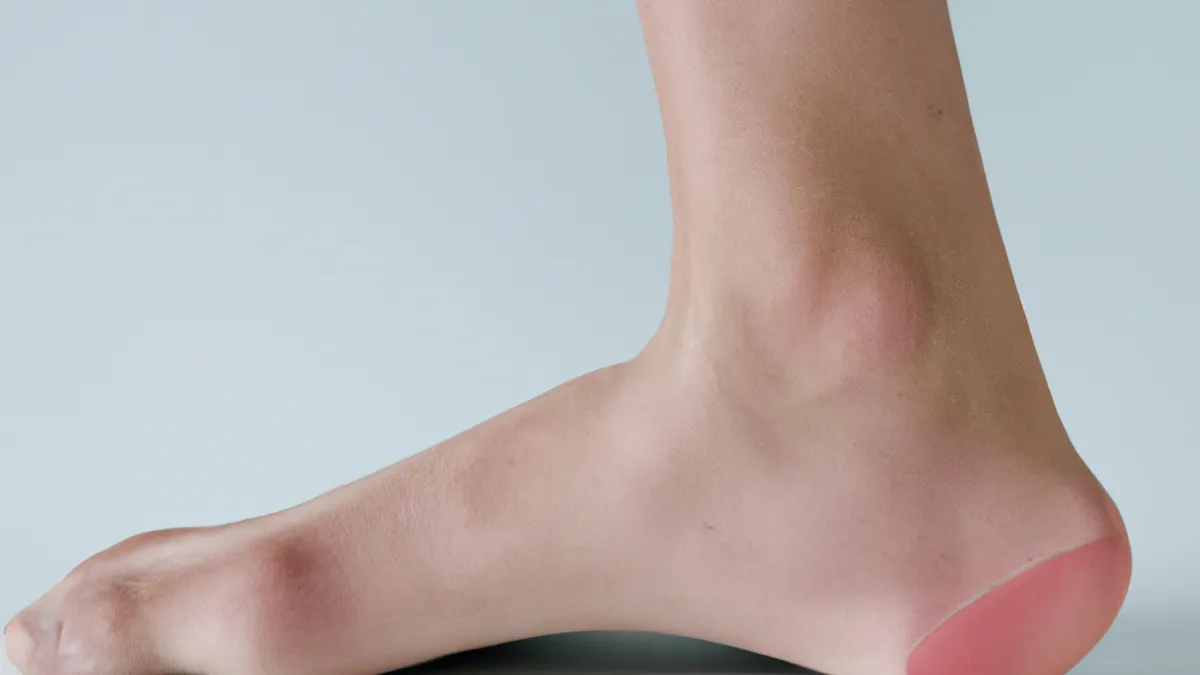
Sore Muscles? Try These Compression Techniques
Compression Techniques for RecoveryRecovery plays a vital role in every fitness journey, whether you’re an experienced athlete or a beginner. After intense workouts, muscles require time to heal and adapt. You can accelerate recovery through compression techniques. These methods improve circulation, reduce muscle soreness, and enhance overall recovery. This blog post explores various compression techniques, their benefits, and how to incorporate them into your post-workout routine.
Understanding Compression Techniques
Compression techniques apply pressure to specific body areas, enhancing recovery. Controlled pressure on muscles and joints increases blood flow, reduces swelling, and promotes healing. You can use various tools and methods, including compression garments, wraps, and specialized devices. Each method offers unique advantages tailored to individual recovery needs.
Compression Garments
Compression garments fit snugly against the skin. They come in various forms, such as sleeves, socks, shorts, and full-body suits. Many athletes wear these garments during and after workouts. Compression garments enhance blood flow and reduce muscle vibration, decreasing muscle fatigue and soreness.Research shows that compression garments improve performance and speed up recovery. Athletes often feel less fatigued during workouts and experience reduced muscle soreness afterward. The snug fit stabilizes muscles and joints, preventing injuries and supporting overall performance.
Compression Wraps
Compression wraps are elastic bands or sleeves wrapped around specific body areas. They adjust easily and target swelling or pain, making them ideal for localized recovery. Compression wraps stabilize muscles and joints while providing support, especially after injuries.Athletes frequently use compression wraps post-injury to reduce swelling and promote healing. Targeted compression minimizes inflammation and speeds recovery. Wraps are versatile and can target knees, ankles, and elbows.
Compression Devices
Compression devices use air pressure to provide dynamic compression. These devices have multiple chambers that inflate and deflate in sequence, applying pressure to specific areas. Many athletes and physical therapists use these devices for recovery, especially for legs and feet.Compression devices effectively reduce muscle soreness and facilitate lymphatic drainage. They enhance circulation and reduce swelling, helping athletes recover faster and perform better. Popular compression devices include pneumatic compression boots and sleeves, which you can use at home or in a clinical setting.
Tips for Effective Use of Compression Techniques
As an Amazon Associate I earn from qualifying purchases.
Gear tip: consider compression wrap, knee brace, and ankle brace to support this topic.
To maximize the benefits of compression techniques, consider these tips:1. **Choose the Right Type**: Select the compression method that best fits your needs.
Conclusion
In summary, compression techniques significantly enhance recovery, improve performance, and prevent injuries.
Below are related products based on this post:
FAQ
What are compression techniques?
Compression techniques apply pressure to specific body areas to enhance recovery after workouts. They improve circulation, reduce swelling, and promote healing through various methods such as garments, wraps, and devices.
How do compression garments help athletes?
Compression garments fit snugly against the skin and enhance blood flow while reducing muscle vibration. This helps decrease muscle fatigue and soreness, allowing athletes to perform better and recover faster.
What are the benefits of using compression wraps?
Compression wraps provide targeted support to specific areas of the body, helping to reduce swelling and promote healing after injuries. They are adjustable and versatile, making them ideal for various body parts like knees and ankles.












Post Comment