Functional Fitness for Female Athletes
Sport-Specific Conditioning for FemalesConditioning plays a vital role for female athletes. It enhances performance, reduces injury risk, and builds confidence. This blog post explores sport-specific conditioning for females. We highlight key components, tips, advice, and benefits to help you reach your athletic potential.
Understanding Sport-Specific Conditioning
Sport-specific conditioning develops necessary skills and physical attributes for each sport. These attributes include strength, endurance, flexibility, agility, and specific skills. Female athletes must consider physiological differences and unique challenges, such as hormonal fluctuations and varying energy levels.
Importance of Tailored Training
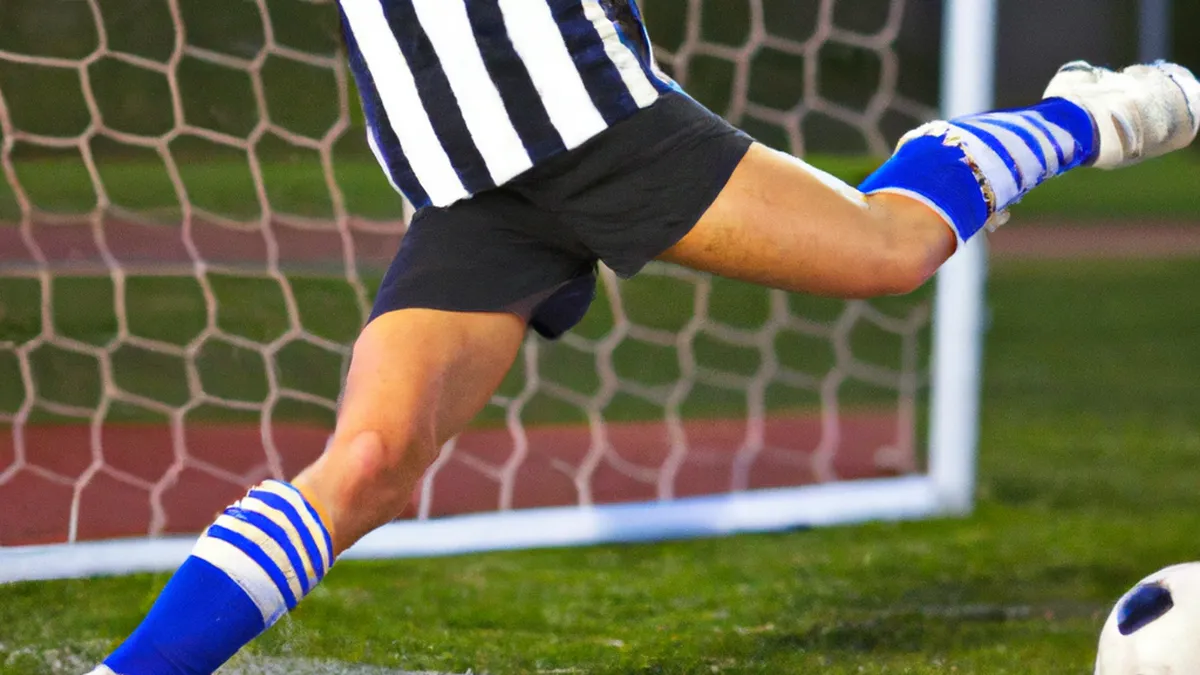
Each sport requires different physical skills. For instance, soccer players need stamina and speed, while gymnasts require strength and flexibility. Tailored training addresses these needs effectively. This approach enhances performance and reduces injury risk, allowing athletes to train consistently and compete at their best.
Key Components of Conditioning
To create a well-rounded conditioning program, focus on these key components:1. **Strength Training**: Strength training builds muscle, supports joint stability, and improves overall performance. Female athletes should prioritize compound exercises like squats, deadlifts, and bench presses. Incorporate free weights, resistance bands, and bodyweight exercises for added benefits.2. **Endurance Training**: Endurance training boosts cardiovascular fitness and increases stamina. This training is vital for athletes needing sustained performance, like soccer players or long-distance runners. Include aerobic exercises, interval training, and high-intensity workouts to enhance endurance and recovery.3. **Flexibility Training**: Flexibility training expands the range of motion in joints and muscles, essential for injury prevention. Female athletes should practice dynamic stretches during warm-ups and static stretches during cool-downs. Activities like yoga or Pilates also improve flexibility and core strength.4. **Agility Training**: Agility training improves quickness, coordination, and balance, crucial for many sports. Use ladder drills, cone drills, and plyometric exercises to boost agility. These drills enhance physical capabilities and develop mental quickness for competition.
Tips for Effective Conditioning
As an Amazon Associate I earn from qualifying purchases.
Gear tip: consider stretching strap, ankle weights, and supportive leggings to support this topic.
To optimize your conditioning program, follow these tips:1. **Set Clear Goals**: Define your conditioning objectives. Whether improving speed, building strength, or enhancing endurance, clear goals will guide your training and keep you motivated.2. **Create a Balanced Routine**: Ensure your training routine includes strength, endurance, flexibility, and agility exercises. A balanced program promotes overall fitness.
Conclusion
In summary, sport-specific conditioning enhances performance and reduces injury risks for female athletes. Implement these strategies to reach your athletic potential.
Below are related products based on this post:
FAQ
What is sport-specific conditioning?
Sport-specific conditioning is a training approach that develops the necessary skills and physical attributes required for each sport. It focuses on enhancing strength, endurance, flexibility, agility, and specific skills tailored to the unique demands of the sport.
Why is tailored training important for female athletes?
Tailored training is crucial because each sport demands different physical skills. For example, soccer players require stamina and speed, while gymnasts need strength and flexibility. This customized approach helps reduce injury risk and improves overall performance.
What are the key components of a conditioning program?
A well-rounded conditioning program should include strength training, endurance training, flexibility training, and agility training. Each component plays a vital role in enhancing performance and ensuring athletes can compete at their best.














Post Comment