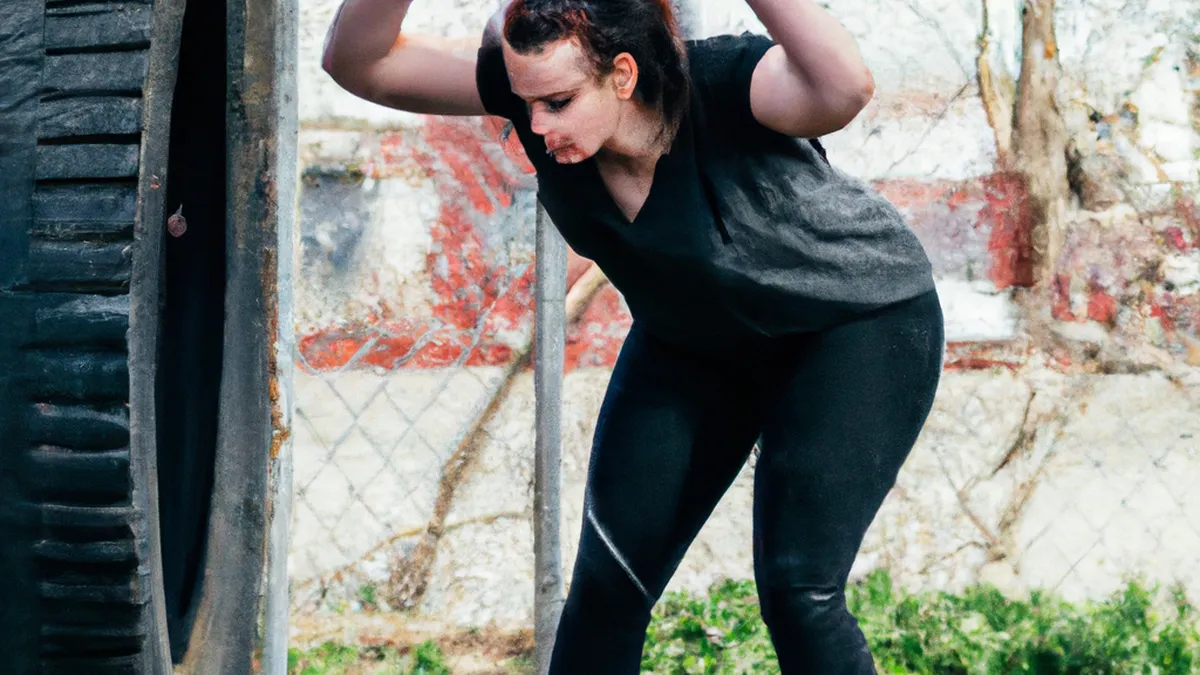
Guidelines for Safe Youth Strength Training
Safety Considerations for Youth TrainingYouth training plays a vital role in sports and physical activities. It enhances physical fitness, mental resilience, teamwork, and discipline. However, prioritizing safety remains crucial. Young athletes often push limits without understanding risks, leading to potential injuries. Implementing safety measures is essential in any youth training program. This blog explores key safety tips, creating a safe training environment, and the long-term benefits of prioritizing safety.
The Importance of Safety in Youth Training
Youth training can be physically demanding. Young athletes may struggle to recognize their limits. This often results in minor injuries like sprains or severe injuries like fractures. Focusing on safety helps prevent these outcomes and fosters an environment where athletes can thrive. When athletes feel safe, they concentrate on skill development and performance. This focus allows them to reach their full potential.Establishing a safety culture yields long-term benefits. Athletes who prioritize well-being during training carry this mindset into adulthood. This approach shapes their lifestyle choices. Ultimately, safety in youth training serves as an investment in young athletes’ futures.
Key Safety Tips for Youth Training
As an Amazon Associate I earn from qualifying purchases.
Gear tip: consider compression sleeves, compression socks, and percussive massager to support this topic.
1. Start with Proper Warm-ups
Warming up prepares the body for physical activity. It increases blood flow and flexibility, reducing injury risk. Dynamic stretching exercises like leg swings and arm circles effectively warm up major muscle groups. Coaches should emphasize warm-ups and make them mandatory for every session.
2. Use Proper Equipment
Using the right equipment ensures safety during training. Athletes need appropriate footwear and protective gear, such as helmets and pads. Properly fitted and maintained equipment minimizes injury risk. Coaches and parents should regularly check gear condition and fit, boosting athletes’ confidence.
3. Gradually Increase Intensity
Young athletes often push themselves too hard too quickly. This behavior can lead to overtraining and injuries. Training plans should gradually increase intensity and duration, allowing for adaptation. Monitoring progress and adjusting plans is crucial. Coaches should educate athletes on pacing and recognizing when to take breaks.
Advice for Creating a Safe Training Environment
1. Supervise Training Sessions
Supervision ensures a safe training environment. Coaches, parents, or responsible adults must oversee sessions. Active supervision helps identify and address potential safety issues promptly.
Conclusion
Prioritizing safety in youth training fosters a supportive environment, enhances performance, and shapes healthy future habits.
Below are related products based on this post:
FAQ
Why is safety important in youth training?
Safety is crucial in youth training because young athletes may not recognize their physical limits, which can lead to injuries. By prioritizing safety, athletes can focus on skill development and performance without the risk of injury. This focus not only enhances their current training but also fosters a mindset that benefits them in adulthood.
What are some key safety tips for youth training?
Key safety tips for youth training include starting with proper warm-ups, using appropriate equipment, and gradually increasing training intensity. Proper warm-ups prepare the body and reduce injury risk, while the right equipment ensures safety during activities. Additionally, increasing intensity gradually helps prevent overtraining and injuries.
How can a safe training environment be created?
Creating a safe training environment involves active supervision during training sessions. Coaches, parents, or responsible adults should oversee activities to promptly identify and address any potential safety issues. This supervision is essential for maintaining a safe atmosphere where young athletes can thrive.












Post Comment