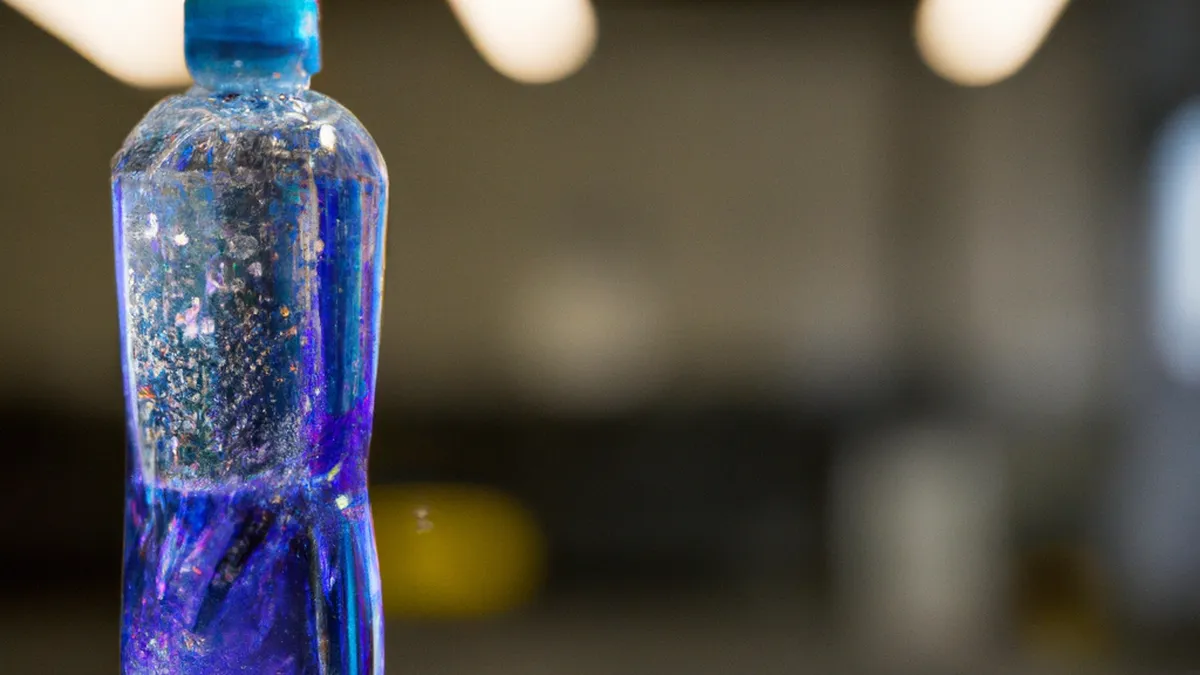
Water vs. Electrolytes: What’s Best?
Hydration’s Role in RecoveryHydration significantly aids recovery after exercise, yet many athletes overlook it. They often focus on training and nutrition while neglecting hydration. Water maintains bodily functions and supports recovery, optimizing performance.
Why Hydration Matters
Water makes up about 60% of the human body. It regulates body temperature, transports nutrients, and supports metabolic processes. During physical activity, your body loses fluids through sweat and respiration. This fluid loss can cause dehydration, which hinders recovery and performance.Dehydration may cause fatigue, dizziness, muscle cramps, and reduced cognitive function. These symptoms can impair workout performance and prolong recovery. Therefore, hydration is crucial for everyone, from casual gym-goers to professional athletes.
The Impact of Dehydration
Dehydration severely hinders recovery. When your body lacks water, it struggles to repair tissues, transport nutrients, and eliminate waste. This delay can increase soreness and injury risk. Dehydration also impairs cognitive functions, reducing motivation and focus during workouts.Research shows even mild dehydration—losing 1-2% of body weight—can negatively impact performance and recovery. Inadequate hydration decreases endurance, increases perceived exertion, and impairs thermoregulation. For athletes, this difference can affect performance outcomes.
Tips for Staying Hydrated
As an Amazon Associate I earn from qualifying purchases.
Gear tip: consider electrolyte mix, soft flask, and hydration tablets to support this topic.
Staying hydrated requires conscious effort. Here are some practical tips for maintaining optimal hydration levels:
1. Drink Water Regularly
Drink water consistently throughout the day. Carry a reusable water bottle to encourage frequent sips. Consume 16-20 ounces of water two hours before exercising. Sip water during workouts, especially if they last longer than an hour. After exercising, drink an additional 16-24 ounces to replenish lost fluids.
2. Monitor Fluid Loss
Pay attention to your body’s signals. Weigh yourself before and after workouts to gauge fluid loss. For every pound lost, drink approximately 16-24 ounces of water. This practice helps maintain hydration and promotes recovery.
3. Utilize Electrolytes
Incorporate electrolytes, such as sodium, potassium, and magnesium, to maintain fluid balance in your body.
Conclusion
Hydration plays a crucial role in recovery. Proper hydration enhances performance and speeds up recovery after exercise. Stay aware of your hydration needs to optimize your fitness journey.
Below are related products based on this post:
FAQ
Why is hydration important for recovery?
Hydration is essential for recovery because it helps maintain bodily functions and supports tissue repair after exercise. Water regulates body temperature, transports nutrients, and aids in metabolic processes, all of which are crucial for optimal recovery and performance.
What are the effects of dehydration on performance?
Dehydration can lead to fatigue, dizziness, muscle cramps, and reduced cognitive function, all of which hinder workout performance and prolong recovery. Even mild dehydration can negatively impact endurance and increase perceived exertion, making it crucial for athletes to stay properly hydrated.
What are some tips for staying hydrated?
To stay hydrated, drink water regularly throughout the day and carry a reusable water bottle for easy access. Monitor fluid loss by weighing yourself before and after workouts, and incorporate electrolytes to maintain fluid balance, especially during intense exercise.











Post Comment