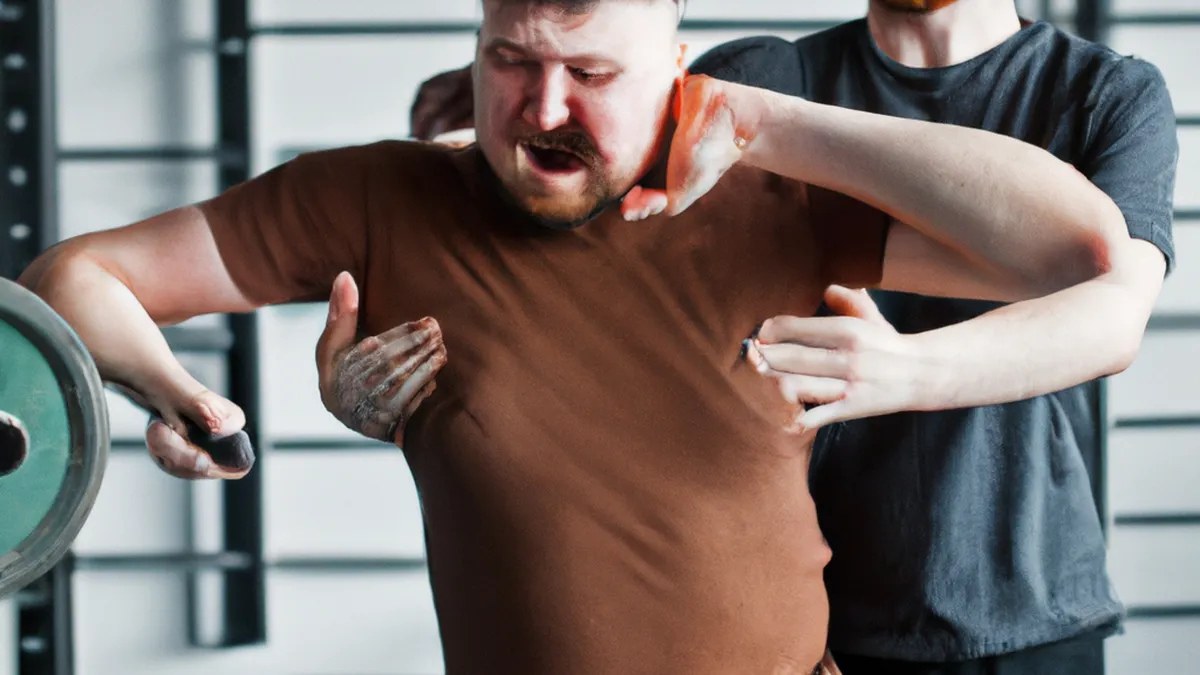
Powerlifting Techniques for Martial Artists
Strength Training for Fighters: Building Power and Endurance
Fighters require a strength training regimen to enhance their physical performance. Strength training builds muscle and improves endurance, both crucial for combat sports. A solid program elevates any fighter’s game. This blog post explores effective strategies, tips, and benefits of strength training for fighters.
Key Components of Strength Training
Understanding strength training’s key components helps you craft a program for fighters. These components include:1. **Core Stability**2. **Explosive Power**3. **Muscular Endurance**Each element significantly impacts a fighter’s ability to strike, grapple, and maintain balance.
Core Stability
A strong core supports powerful movement and stability. It helps fighters maintain balance and control during strikes and grappling. A well-developed core generates force efficiently, leading to powerful strikes and improved defense.To build core strength, focus on exercises engaging multiple muscle groups. Incorporate movements such as:- **Planks**: Try side planks and plank jacks to target different muscle areas.- **Russian Twists**: Use a medicine ball or weight plate for added resistance.- **Medicine Ball Throws**: Engage in rotational throws simulating strikes.Incorporate core exercises into your routine at least twice a week, focusing on stability and rotational strength.
Explosive Power
Fighters need explosive power for quick, impactful strikes. This power is essential for takedowns and defensive maneuvers. Plyometric exercises effectively develop explosive power.Consider integrating these plyometric exercises into your routine:- **Box Jumps**: Improve explosive leg power and coordination.- **Kettlebell Swings**: Enhance hip power and overall explosiveness.- **Medicine Ball Slams**: Target upper body power while engaging the core.Incorporate these movements into your training at least once a week, maximizing explosiveness and speed.
Muscular Endurance
Endurance is crucial for fighters maintaining performance over multiple rounds. Stronger muscles contribute to better stamina, allowing fighters to sustain energy throughout a fight. Compound movements like squats and deadlifts improve strength and endurance.When training for muscular endurance, use higher repetitions with moderate weights. Consider these effective exercises:- **Squats**: Focus on bodyweight squats or add resistance with barbells.- **Deadlifts**: Use lighter weights.
Conclusion
As an Amazon Associate I earn from qualifying purchases.
Gear tip: consider standing desk balance board, desk cycle, and ergonomic footrest to support this topic.
Strength training enhances fighters’ performance by building muscle, power, and endurance. Implement these strategies to improve your training regimen.
Below are related products based on this post:
FAQ
Why is strength training important for fighters?
Strength training is vital for fighters as it enhances physical performance by building muscle and improving endurance. These elements are crucial for success in combat sports, allowing fighters to strike harder and maintain stamina throughout their matches.
What are the key components of strength training for fighters?
The key components of strength training for fighters include core stability, explosive power, and muscular endurance. Each of these elements plays a significant role in a fighter’s ability to perform effectively in both striking and grappling situations.
How often should fighters incorporate core exercises into their training?
Fighters should incorporate core exercises into their training at least twice a week. Focusing on stability and rotational strength will help enhance their balance and control during fights, leading to more powerful strikes and better defense.














Post Comment