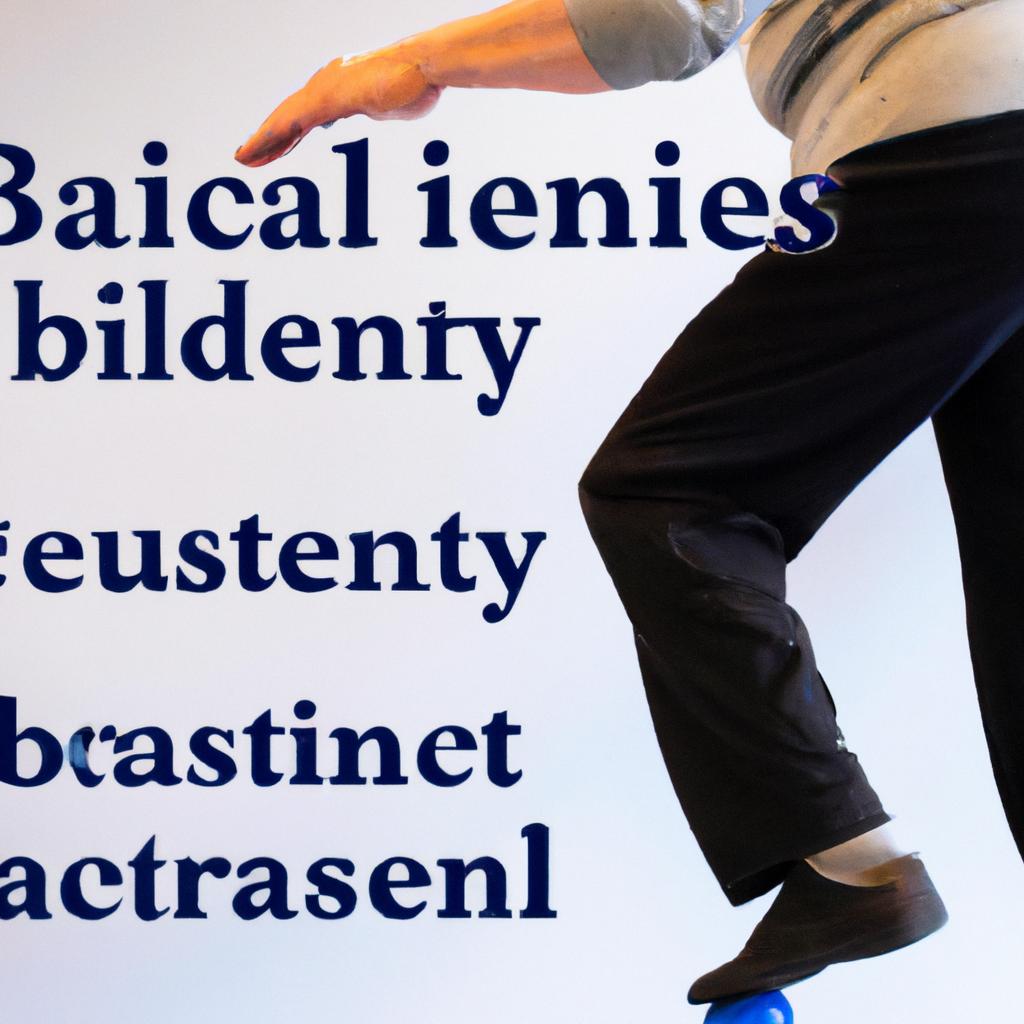
The Role of Balance Training in Injury Prevention: Techniques to Enhance Stability and Reduce Fall Risk in Older Adults
Balance Training for Injury Prevention: Techniques to Enhance Stability and Reduce Fall Risk in Older Adults
As people age, they face a higher risk of falls. Falls can cause serious injuries like fractures or head trauma. Balance training provides a proactive way to reduce this risk. This blog post explores techniques that improve balance, enhance stability, and prevent injuries in older adults.
Understanding Balance Training
Balance training improves stability and coordination. It includes exercises that strengthen core muscles and improve proprioception. Proprioception helps the body sense its position in space. Enhancing proprioception aids individuals in maintaining balance during daily activities.
Key Elements of Balance Training
Balance training features various exercises like standing on one leg and heel-to-toe walking. These exercises challenge the body’s stabilization abilities. Adding dynamic movements can further enhance balance. Tai chi and yoga emphasize slow, controlled movements that improve stability.
Importance of Consistency
Consistency plays a key role in balance training. Older adults should practice balance exercises several times a week. Regular practice leads to noticeable improvements in stability and confidence. Incorporating these exercises into a daily routine helps older adults stay active and independent.
Nutrition Tips to Support Balance Training
Nutrition plays an essential role in overall health and stability. A balanced diet supports muscle strength and bone density, reducing fall risk. Older adults should consume nutrient-dense foods rich in calcium, vitamin D, and protein.
Calcium and Vitamin D
Calcium strengthens bones, while vitamin D aids calcium absorption. Older adults should include dairy products, leafy greens, and fortified foods in their diets. They should also consider safe sun exposure to boost vitamin D levels.
Protein for Muscle Health
Muscle strength directly affects balance. Older adults must consume adequate protein to support muscle maintenance. Foods like lean meats, beans, and nuts provide essential protein. Incorporating protein into every meal fosters muscle growth.
Effective Balance Exercises
Several exercises can enhance stability and reduce fall risk. These exercises focus on strength, flexibility, and coordination, promoting overall balance.
Standing on One Leg
Standing on one leg challenges the body’s stability. To perform this exercise, hold onto a sturdy surface for support. Gradually lift one leg while balancing on the other. Start with a few seconds, then increase the duration.
Heel-to-Toe Walk
The heel-to-toe walk improves coordination and balance. To perform this exercise, walk in a straight line. Place the heel of one foot directly in front of the toes of the other. This exercise encourages focus and stability.
Tai Chi
Tai chi combines slow, deliberate movements with deep breathing. This ancient practice improves balance, flexibility, and strength. Many studies show that tai chi reduces fall risk among older adults. Participating in a local class or following online tutorials can be beneficial.
Health Benefits of Balance Training
Balance training offers numerous health benefits beyond fall prevention. It contributes to overall fitness and mental well-being. Engaging in balance exercises can enhance mobility and flexibility.
Improved Confidence
As balance and stability improve, older adults often feel more confident in their movements. This confidence encourages them to engage in social activities and exercise. Consequently, they may experience an enhanced quality of life.
Enhanced Physical Fitness
Regular balance training enhances overall physical fitness. It targets core muscles, improving posture and reducing injury risk. Stronger muscles support joints and promote healthy movement patterns.
Social Interaction
Group balance training sessions provide social opportunities. Many older adults enjoy exercising alongside others. Joining a class can foster friendships and create a supportive community.
Conclusion
Balance training plays a vital role in preventing injuries for older adults. By incorporating effective techniques, individuals can enhance stability and reduce fall risk. Proper nutrition, including adequate calcium and protein intake, supports overall health. Engaging in exercises like standing on one leg, heel-to-toe walking, and tai chi can improve balance and confidence. Ultimately, committing to balance training leads to a healthier, more active lifestyle.
Older adults should prioritize balance training to maintain independence and quality of life. With consistent practice and proper nutritional support, they can significantly reduce their fall risk and enjoy life more fully.
Below are related products to the topic if you’re interested:
FAQ
What are some effective balance exercises for older adults?
Effective balance exercises for older adults include standing on one leg, heel-to-toe walking, and practicing tai chi. Standing on one leg challenges stability and can be performed with support, while heel-to-toe walking improves coordination. Tai chi offers slow, controlled movements that enhance balance, flexibility, and strength.
How often should older adults practice balance training?
Older adults should practice balance exercises several times a week to achieve noticeable improvements in stability and confidence. Consistency is key, and incorporating these exercises into a daily routine can help them remain active and independent.
Why is nutrition important for balance training?
Nutrition is crucial for overall health and stability, as a balanced diet supports muscle strength and bone density, which are vital for reducing fall risk. Older adults should focus on consuming nutrient-dense foods rich in calcium, vitamin D, and protein to support muscle maintenance and overall physical fitness.












Post Comment