The Impact of Aerodynamic Clothing on Cycling Performance: How Material Science Enhances Speed and Efficiency
The Impact of Aerodynamic Clothing on Cycling Performance: How Material Science Enhances Speed and Efficiency
Cycling combines speed and endurance. Athletes seek innovations to enhance their ride. Aerodynamic clothing plays a vital role in this quest. This blog post explores how these garments impact cycling performance, speed, and efficiency.
The Role of Aerodynamics in Cycling
Aerodynamics influences cycling performance. Cyclists experience drag while riding. This drag slows them down and requires more energy. Therefore, competitive cyclists prioritize reducing drag.
Understanding Drag
Drag occurs when air resistance opposes motion. The cyclist’s shape, position, and clothing contribute to drag. Minor adjustments can lead to substantial speed improvements.
Cyclists face two main types of drag: form drag and skin friction drag. Form drag stems from body position and clothing shape. Skin friction drag relates to air interaction with material surfaces. Cyclists aim to minimize both drag types to enhance performance.
How Clothing Shapes Drag
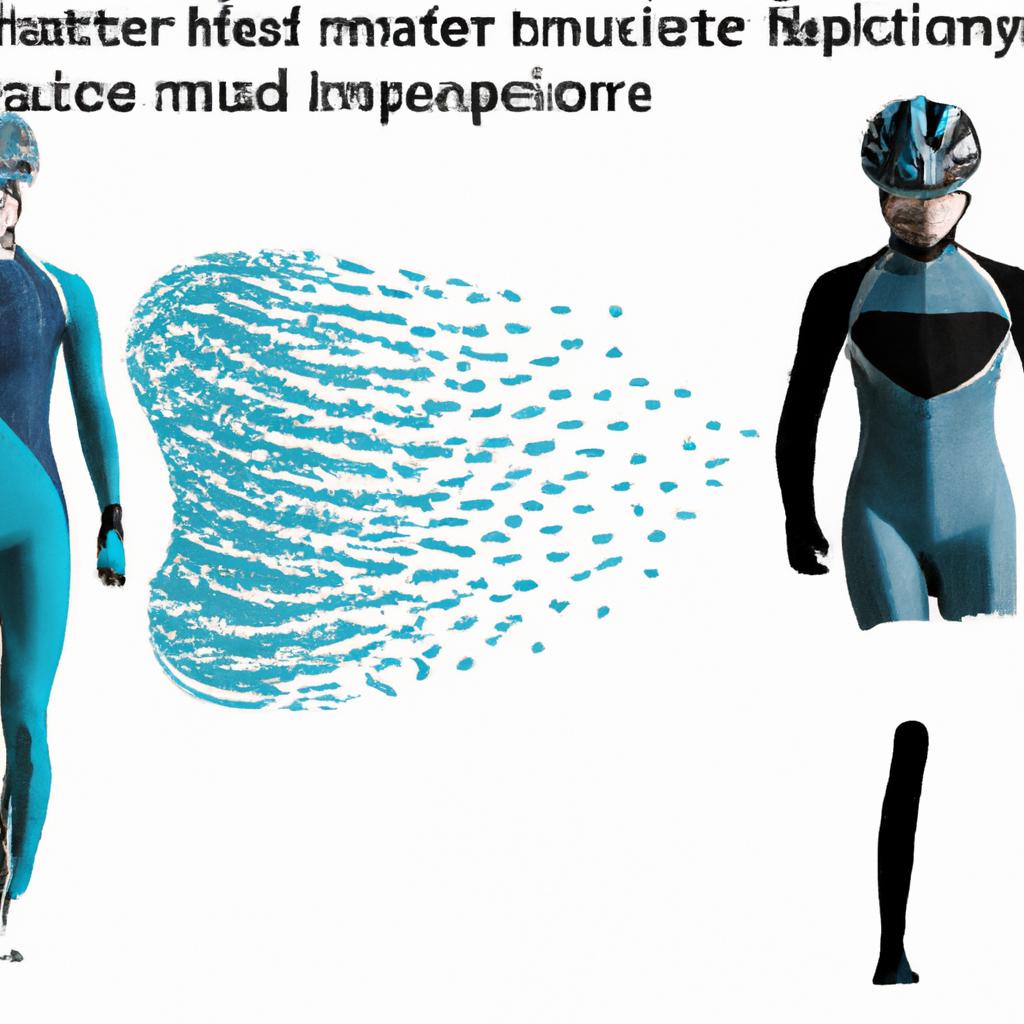
Cyclists wear tight-fitting clothing to minimize drag. Loose garments create turbulence and increase resistance. Specialized fabrics help streamline a rider’s body shape. These materials enhance aerodynamic advantages.
Fit matters significantly. A well-designed cycling suit hugs the body closely, eliminating excess fabric that flaps in the wind. This snug fit reduces airflow exposure, decreasing drag during rides.
Material Science: The Driving Force Behind Aerodynamic Clothing
Material science drives advanced cycling apparel development. Designers use technologies to create fabrics that optimize performance. Innovations include moisture-wicking properties, breathability, and stretchability.
Innovative Fabrics
Manufacturers blend materials to enhance performance. They combine polyester with elastane for flexibility and comfort. Cyclists enjoy a full range of motion without compromising aerodynamic qualities.
Lightweight materials are crucial. Traditional fabrics weigh cyclists down, especially on long rides. Advanced materials remain lightweight and durable, allowing extended wear without damage.
Surface Textures
Surface textures also impact airflow. Some clothing features textures that disrupt airflow beneficially. This design reduces drag by creating micro-turbulence around the cyclist. Cyclists experience less resistance while riding.
Recent innovations have led to fabrics with patterns that manipulate airflow. Designers inspired these patterns by nature and aerodynamic principles. For example, the texture of a golf ball reduces drag and improves lift. Manufacturers incorporate similar textures into cycling clothing, enhancing airflow and improving speed.
The Benefits of Aerodynamic Clothing
Investing in aerodynamic clothing yields substantial benefits for cyclists, especially in competitions.
Improved Speed
Wearing aerodynamic clothing can increase speed. Studies show that cyclists in specialized apparel achieve higher speeds with less effort than those in standard clothing. This advantage becomes especially pronounced during time trials or races.
Enhanced Comfort
While reducing drag remains the primary goal, many modern designs focus on comfort. Advanced materials wick moisture away and allow breathability. These features help regulate body temperature, ensuring cyclists remain comfortable during intense rides. The snug fit of these garments further contributes to overall comfort.
Below are related products to the topic if you’re interested:
FAQ
What is the primary benefit of wearing aerodynamic clothing while cycling?
The primary benefit of wearing aerodynamic clothing is the significant reduction of drag, which enhances speed and efficiency. Cyclists in specialized apparel can achieve higher speeds with less effort compared to those wearing standard clothing, particularly during competitive events like time trials or races.
How does material science contribute to the effectiveness of cycling apparel?
Material science plays a crucial role in developing advanced cycling apparel by creating fabrics that optimize performance. Innovations include moisture-wicking properties, breathability, and stretchability, which contribute to a comfortable fit while maintaining aerodynamic qualities. Manufacturers often blend materials like polyester and elastane to enhance flexibility and reduce weight, allowing for extended wear without compromising performance.
What types of drag do cyclists aim to minimize, and how does clothing design help?
Cyclists aim to minimize two main types of drag: form drag and skin friction drag. Form drag is influenced by body position and clothing shape, while skin friction drag occurs due to air interacting with the material surfaces. Tight-fitting clothing helps reduce form drag by eliminating excess fabric that creates turbulence, while specialized surface textures can disrupt airflow beneficially, further lowering both types of drag and improving overall cycling performance.













Post Comment