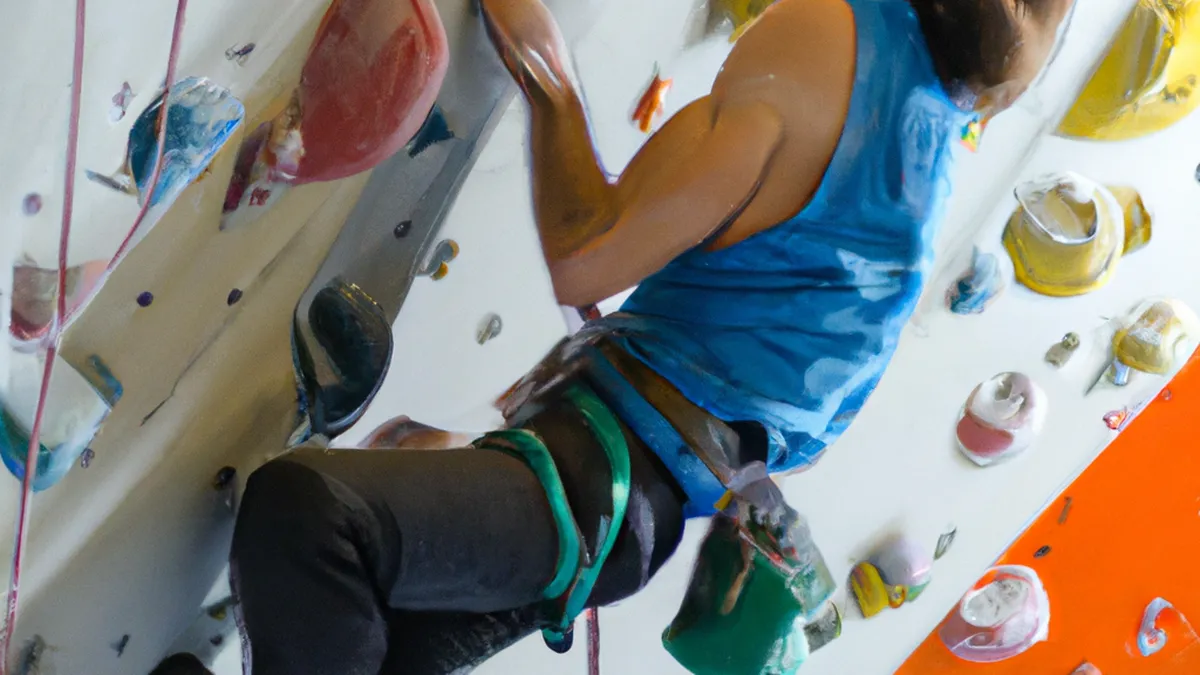
Count on Your Spotter: Best Practices
Spotting Techniques for BeginnersSpotting is vital for climbing and bouldering. It ensures safety and boosts the climber’s confidence. Beginners can greatly enhance their experience by learning effective spotting techniques. This post outlines fundamental techniques for effective and safe spotting.
Understanding the Role of a Spotter
Before learning techniques, understand the spotter’s role. A spotter supports the climber during falls. This support directs the climber safely to the ground and prevents injuries. Stay aware of hazards like sharp rocks and uneven terrain. Knowing this role enables effective communication and safety for climbers and spotters.
The Importance of Communication
Climbers and spotters must communicate effectively. Discuss the climbing plan before the ascent. Include the route, challenging moves, and concerns about falling. Establish clear signals to promote understanding during the climb. For example, a shout of “Watch me!” alerts the spotter to a difficult move. This proactive communication keeps both parties informed and reduces accidents.
Key Spotting Techniques for Beginners
As an Amazon Associate I earn from qualifying purchases.
Gear tip: consider climbing shoes, chalk bag, and compact home gym set to support this topic.
Now, let’s explore essential spotting techniques every beginner should learn. These tips will boost your confidence and effectiveness as a spotter.
Position Yourself Correctly
Start by positioning yourself correctly. Stand close to the climbing route, within arm’s reach of the climber. This proximity allows quick reactions during a fall. Keep your feet shoulder-width apart for stability. Bend your knees slightly to maintain agility. This stance helps you move swiftly, ensuring safe guidance to the ground.
Use Your Hands Wisely
Your hands play a crucial role in spotting. Position them slightly above the climber’s head for assistance. If the climber falls, guide them away from hazards like sharp rocks. Aim for a soft landing by directing their fall instead of catching them completely. Bend your arms to absorb impact, cushioning their descent.
Stay Focused and Alert
Focus is essential while spotting. Pay close attention to the climber’s movements. Watch their body language and anticipate their actions. A climber may hesitate before a difficult move or lose grip. Being alert helps you react promptly and safely.
Conclusion
In summary, mastering these spotting techniques enhances safety and confidence for both climbers and spotters.
Below are related products based on this post:
FAQ
What is the role of a spotter in climbing?
A spotter’s role is to support the climber during falls, directing them safely to the ground and preventing injuries. It’s essential to be aware of hazards like sharp rocks and uneven terrain to ensure safety for both the climber and the spotter.
Why is communication important between climbers and spotters?
Effective communication helps climbers and spotters discuss the climbing plan, including the route and any concerns about falling. Establishing clear signals promotes understanding and reduces the risk of accidents during the climb.
What are some key techniques for beginners to learn when spotting?
Beginners should learn to position themselves correctly, use their hands wisely, and stay focused and alert. Proper positioning allows for quick reactions, while using hands effectively can guide the climber away from hazards during a fall.














Post Comment