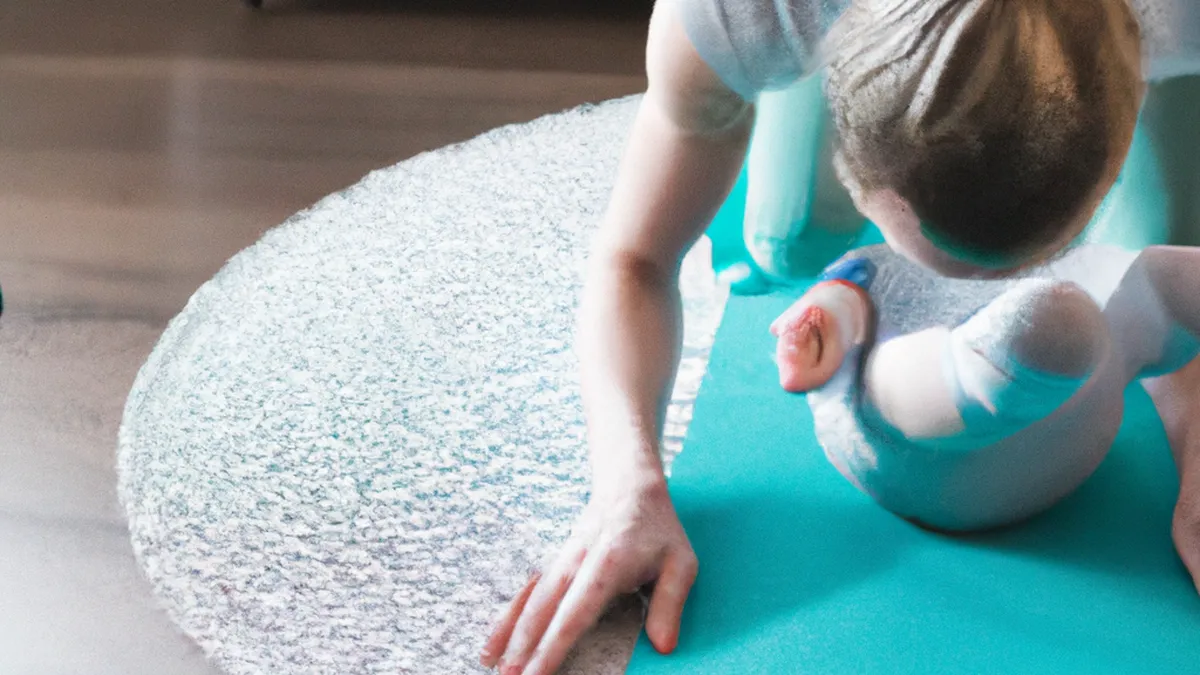
Total Body Recovery: Stretching After Weights
Effective Post-Workout Stretching: A Comprehensive GuideAfter an intense workout, give your body the care it needs. Stretching plays a vital role in recovery. It prevents injuries and enhances flexibility and performance. In this post, I will share effective post-workout stretching techniques and best practices. Let’s explore post-workout stretching.
Why Stretch After a Workout?
Stretching after a workout offers many benefits for your physical health.
Muscle Relaxation
Stretching relaxes your muscles. Exercise causes muscles to contract and tighten. Stretching releases this tension and promotes relaxation. Relaxed muscles recover more efficiently and reduce injury risk.
Improved Blood Circulation
Stretching improves blood circulation. Exercise increases blood flow, and stretching enhances this effect. Better circulation delivers essential nutrients to your muscles. It also helps flush out lactic acid, reducing soreness.
Enhanced Flexibility
Stretching enhances flexibility. Greater flexibility improves performance in workouts and daily activities. It allows a broader range of motion, reducing injury risk and boosting athletic performance.
Stress Relief
Stretching promotes relaxation and stress relief. It helps transition your body from high energy to a relaxed state. This transition supports physical and mental recovery, helping you unwind after your workout.
Tips for Effective Post-Workout Stretching
As an Amazon Associate I earn from qualifying purchases.
Gear tip: consider compression sleeves, compression socks, and percussive massager to support this topic.
1. Start with Gentle Movements
Begin your stretching routine with gentle movements. Focus on areas that feel tight. For example, try a standing hamstring stretch if your legs feel stiff. Hold this position for 15 to 30 seconds while breathing deeply. This gentle approach prepares your muscles for deeper stretches and prevents overstretching.
2. Hold Each Stretch
Hold each stretch for at least 15 to 30 seconds. Avoid bouncing, as this can strain your muscles. Instead, breathe deeply and relax into the stretch. Feel the tension release with each exhale. This method promotes better muscle relaxation and flexibility.
3. Focus on Major Muscle Groups
Target major muscle groups used during your workout. If you performed upper body exercises, stretch your shoulders, chest, and arms. If you engaged in lower body workouts, focus on your quads, hamstrings, calves, and glutes. This comprehensive approach ensures balanced recovery.
Advice on Stretching Techniques
1. Use Static Stretches
Use static stretches for effective recovery. These stretches involve holding a position without movement. Static stretches promote flexibility and muscle relaxation.
Conclusion
In summary, effective post-workout stretching enhances recovery and performance. Follow these tips for optimal results. Stretching benefits your body and mind after intense workouts.
Below are related products based on this post:
FAQ
Why is stretching important after a workout?
Stretching after a workout is vital for recovery as it relaxes muscles, improves blood circulation, and enhances flexibility. It helps release muscle tension, promotes efficient recovery, and reduces the risk of injuries.
How long should I hold each stretch?
Each stretch should be held for at least 15 to 30 seconds. This duration allows for better muscle relaxation and flexibility while avoiding the risks associated with bouncing movements.
What areas should I focus on when stretching?
You should focus on the major muscle groups that were used during your workout. For upper body exercises, target your shoulders, chest, and arms, while for lower body workouts, concentrate on your quads, hamstrings, calves, and glutes.














Post Comment