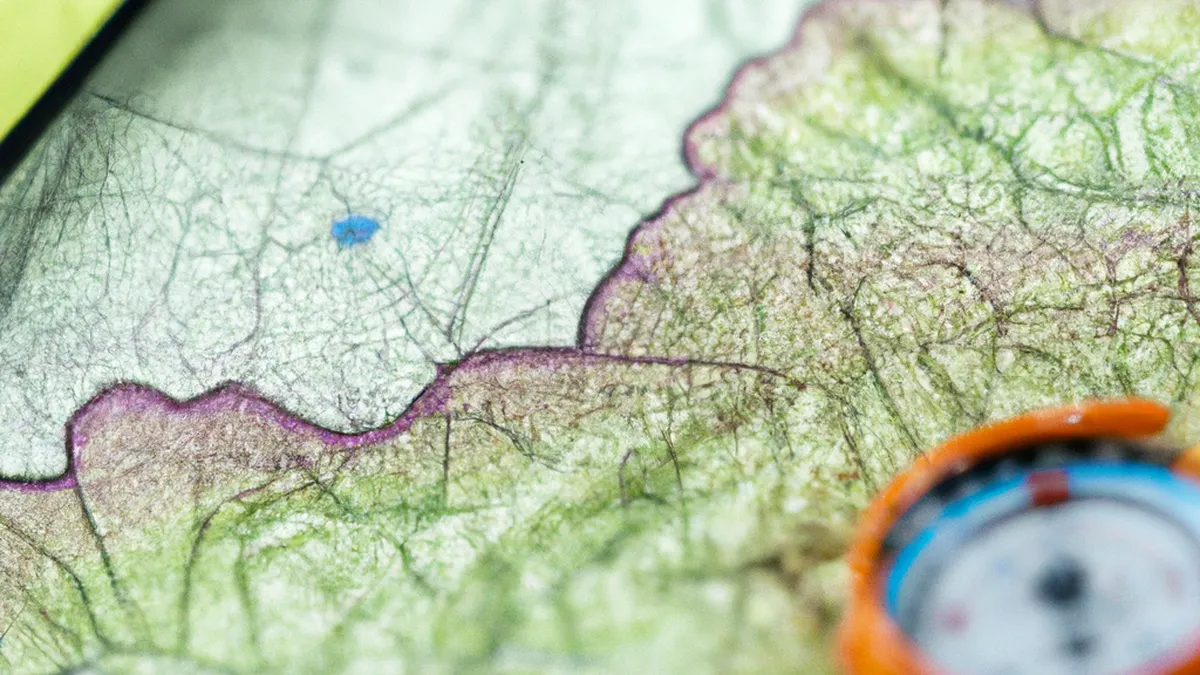
Topographic Maps: Your Hiking Companion
Navigating with Topographic MapsTopographic maps serve outdoor enthusiasts, hikers, and adventurers. They depict terrain details, including elevation and features. Unlike standard road maps, topographic maps emphasize the landscape’s three-dimensional aspects. These maps help anyone exploring the outdoors. This post offers tips, advice, and benefits of mastering navigation skills with topographic maps.
Understanding Topographic Maps
Contour lines form the core of topographic maps. These lines connect points of equal elevation. Each line indicates a specific elevation level, while the space between them shows terrain steepness. Close lines signify steep terrain, while wider spacing shows gentler slopes. This feature helps visualize hills, valleys, ridges, and plateaus.Topographic maps also feature symbols for natural and human-made features. Rivers, lakes, forests, trails, roads, and buildings use standardized symbols. Familiarizing yourself with these symbols enhances navigation, providing context to the explored terrain.
The Importance of Scale
Scale plays a critical role in topographic maps. It shows the relationship between map distance and actual ground distance. For example, a 1:24,000 scale means 1 inch on the map equals 24,000 inches (or 2,000 feet) in reality. Understanding scale allows you to measure distances accurately, vital for route planning and estimating travel time.
Essential Tips for Reading Topographic Maps
As an Amazon Associate I earn from qualifying purchases.
Gear tip: consider standing desk balance board, desk cycle, and ergonomic footrest to support this topic.
1. **Start with the Legend**: Before your adventure, study the map’s legend. The legend explains the symbols and markings used. Understanding these symbols enables accurate map interpretation and efficient navigation.2. **Use a Compass**: A compass works well with your topographic map. Before heading out, learn to align your map with true north. This technique maintains your bearings and orients you in the field.3. **Identify Landmarks**: Look for recognizable features like mountains, lakes, or trails. These landmarks aid navigation during your journey. Matching landscape features with the map builds confidence in your navigation skills.4. **Practice Estimating Distances**: Estimate distances between points on the map using the provided scale. Knowing how far you need to travel helps you plan effectively. Remember, actual travel times may vary based on terrain steepness and trail conditions.
Practical Advice for Success
Stay aware of your surroundings and continuously check your map. Adjust your route as necessary based on changing conditions.
Conclusion
Mastering topographic maps enhances your outdoor navigation skills. Use these insights to improve your adventures in nature.
Below are related products based on this post:
FAQ
What are topographic maps?
Topographic maps are specialized maps that depict terrain details, including elevation and landscape features. They emphasize the three-dimensional aspects of the landscape, making them essential tools for outdoor enthusiasts, hikers, and adventurers exploring natural areas.
How do contour lines work in topographic maps?
Contour lines connect points of equal elevation on topographic maps. They indicate specific elevation levels, and the spacing between these lines shows the steepness of the terrain. Close lines represent steep areas, while wider spacing indicates gentler slopes, helping users visualize the landscape.
Why is understanding scale important when using topographic maps?
Understanding scale is crucial because it shows the relationship between map distance and actual ground distance. For instance, a 1:24,000 scale means that 1 inch on the map equals 24,000 inches in reality. This knowledge allows for accurate distance measurements, which are vital for effective route planning.














Post Comment