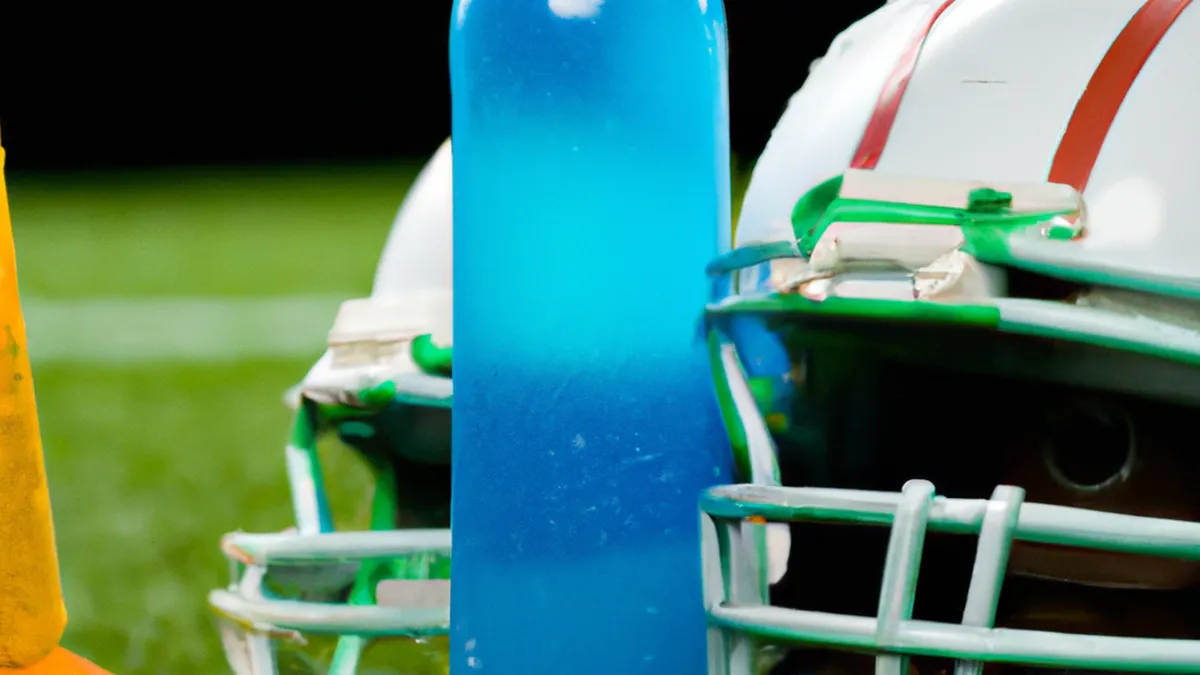
Beat the Heat: Smart Water Strategies
Managing Athlete Hydration During SessionsHydration significantly impacts athletic performance. Proper fluid intake enhances performance, prevents fatigue, and promotes recovery. Athletes must prioritize hydration during training. This post discusses hydration’s importance, offers management strategies, and highlights long-term benefits.
The Importance of Hydration
Hydration influences every aspect of athletic performance. Water regulates body temperature, lubricates joints, and transports nutrients. It aids waste removal and supports metabolism. Dehydration, even mild (losing 2% of body weight), can reduce performance. Symptoms include fatigue, cramps, dizziness, and decreased coordination.Athletes lose fluid through sweat, especially in hot or humid conditions. Understanding individual hydration needs is essential. Factors like age, sex, body weight, exercise intensity, and environment determine fluid requirements.
Creating a Hydration Plan
As an Amazon Associate I earn from qualifying purchases.
Gear tip: consider sauna hat, sauna towel, and sauna thermometer to support this topic.
Develop a tailored hydration plan for each athlete. This plan should be structured yet flexible, addressing individual needs and sport demands.
Pre-Training Hydration
Before training, athletes should drink 500-700 mL (17-24 ounces) of fluid about two hours prior. This allows for absorption and ensures adequate hydration. For intense or long sessions, athletes should also drink an electrolyte-rich beverage beforehand. This replaces lost electrolytes and provides carbohydrates.
Hydration During Training
During training, athletes need consistent fluid intake. Encourage them to drink 150-250 mL (5-9 ounces) every 15-20 minutes. This method promotes steady hydration without causing discomfort.Using timers or reminders can help athletes maintain hydration. Providing easy access to water or sports drinks facilitates regular intake.
Choosing the Right Fluids
Not all beverages hydrate equally. Water is essential but may not suffice during prolonged training. Sports drinks can be beneficial in these situations.Sports drinks provide electrolytes (like sodium and potassium) and carbohydrates, which maintain energy levels and replace sweat losses. Choose drinks with a balanced electrolyte profile and appropriate sugar content. Look for options with 6-8% carbohydrates.
Conclusion
In summary, effective hydration management enhances athletic performance, prevents fatigue, and supports recovery. Implement a personalized hydration plan for optimal results.
Below are related products based on this post:
FAQ
Why is hydration important for athletes?
Hydration significantly impacts athletic performance by regulating body temperature, lubricating joints, and transporting nutrients. Proper fluid intake prevents fatigue and supports metabolism, while even mild dehydration can lead to symptoms like cramps and decreased coordination.
How much fluid should athletes drink before training?
Athletes should drink 500-700 mL (17-24 ounces) of fluid about two hours prior to training. This allows for adequate absorption and ensures they are properly hydrated before beginning their session.
What should athletes drink during training?
During training, athletes should aim to drink 150-250 mL (5-9 ounces) every 15-20 minutes. This consistent intake helps maintain hydration levels without causing discomfort, and easy access to fluids can facilitate this process.













Post Comment