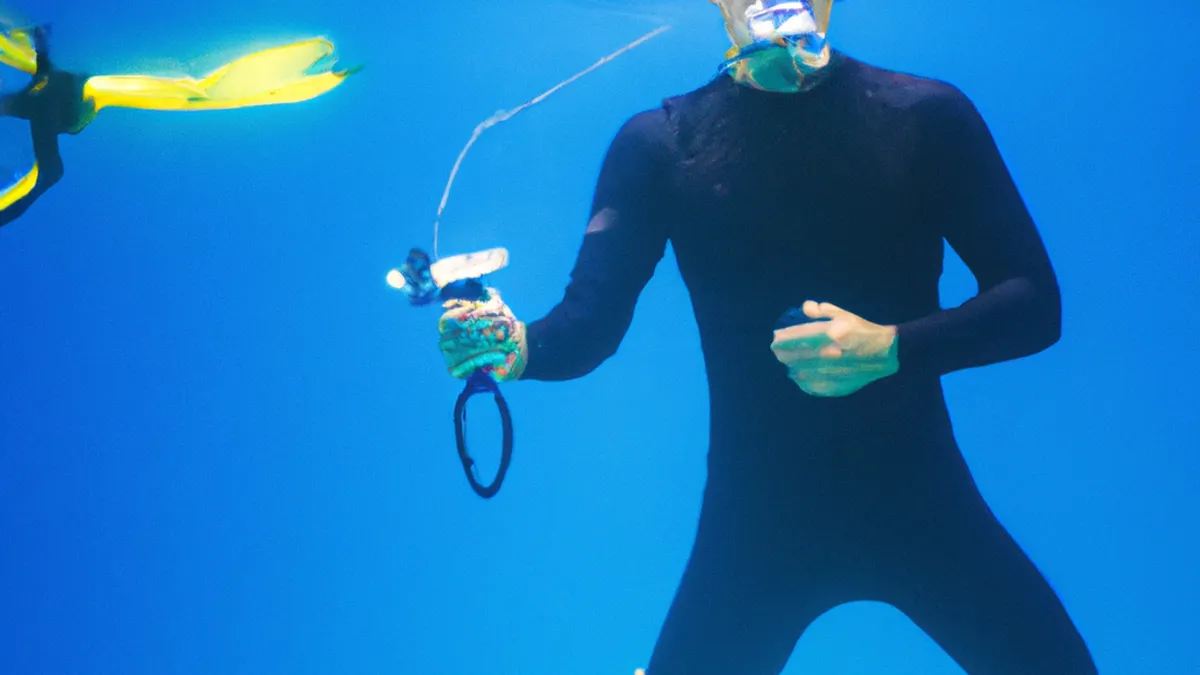
Efficient Breathing Drills for Divers (Freediving Fitness)
Post-Dive Breathing Exercises: Enhance Your RecoveryDiving into the underwater world thrills and excites. The rush of exploring coral reefs and observing marine life is breathtaking. However, your dive doesn’t end when you surface. Your post-dive routine is equally important. Breathing exercises play a crucial role in recovery. Effective post-dive breathing helps you relax and rejuvenate. In this blog post, we will explore essential post-dive breathing exercises, discuss their benefits, and provide practical tips for maximizing recovery.
The Importance of Post-Dive Recovery
During a dive, your body undergoes various physiological changes. Increased pressure affects how gases behave in your body. As you descend, your body absorbs nitrogen from your breathing gas. Upon surfacing, your body must off-gas this excess nitrogen to prevent decompression sickness (DCS). While your body manages this process, focusing on your breathing enhances it.Breathing exercises are vital after a dive for several reasons:1. **Regulating Heart Rate:** After a dive, excitement or exertion may elevate your heart rate. Controlled breathing helps return it to a resting state.2. **Supporting Off-Gassing:** Deep, slow breaths assist in off-gassing, helping release nitrogen from your tissues efficiently.3. **Promoting Relaxation and Mental Clarity:** Focused breathing calms anxiety and stress, allowing you to fully enjoy the post-dive experience.
Tips for Effective Breathing Exercises
To maximize your post-dive breathing exercises, consider these practices:1. **Find a Comfortable Position** Start by finding a comfortable position. Sit or lie down based on your preference. Ensure your environment is calm and quiet, free from distractions. This setting helps you focus on your breath and reduces stress.2. **Use Diaphragmatic Breathing** Diaphragmatic breathing, or belly breathing, effectively promotes relaxation. To practice it: – Place one hand on your chest and the other on your abdomen. – Inhale deeply through your nose, allowing your abdomen to rise. – Exhale slowly through your mouth, letting your abdomen fall. Focus on expanding your diaphragm instead of your chest. This technique fully engages your diaphragm, promotes oxygen exchange, and encourages relaxation. Aim to practice this for five to ten minutes after your dive.3. **Incorporate Box Breathing** Box breathing is a simple yet effective technique for controlling your breath and calming your mind. Follow these steps: – Inhale for a count of four. – Hold your breath for a count of four.
Conclusion
As an Amazon Associate I earn from qualifying purchases.
Gear tip: consider compression socks, training pinnies, and compression sleeves to support this topic.
In summary, post-dive breathing exercises enhance recovery. They regulate heart rate, support off-gassing, and promote relaxation. Prioritize these techniques after your dive for optimal recovery.
Below are related products based on this post:
FAQ
Why are post-dive breathing exercises important?
Post-dive breathing exercises are crucial for recovery as they help regulate heart rate, support the off-gassing of nitrogen, and promote relaxation and mental clarity. These practices enhance the body’s natural recovery processes after a dive.
What is diaphragmatic breathing?
Diaphragmatic breathing, also known as belly breathing, involves using the diaphragm to draw air into the lungs more effectively. This technique promotes relaxation by allowing the abdomen to rise and fall with each breath, engaging the diaphragm fully for better oxygen exchange.
How can I incorporate box breathing into my post-dive routine?
Box breathing can be easily incorporated into your post-dive routine by following a simple pattern: inhale for a count of four, hold your breath for a count of four, exhale for a count of four, and hold again for a count of four. This method helps to control your breath and calm your mind after a dive.














Post Comment