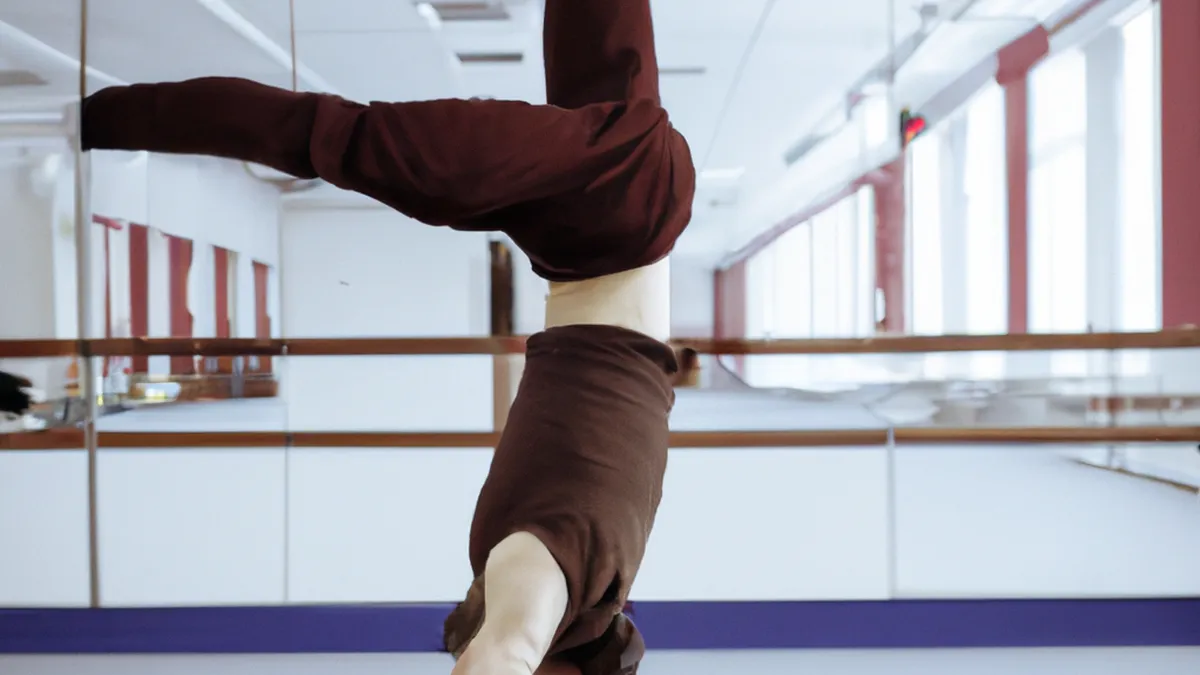
Handstand Success: Balance Techniques Explained
Balance Techniques for HandstandsHandstands showcase strength and flexibility. They also build balance, coordination, and core stability. Mastering handstands requires dedication, practice, and effective techniques. In this post, we explore methods to achieve a stable handstand. Beginners and advanced practitioners alike can enhance their skills with these techniques.
Understanding the Basics of Handstands
Understanding foundational aspects of handstands is crucial. A successful handstand depends on core strength, shoulder stability, and body alignment. Your body should create a straight line from fingertips to toes. Any misalignment can disrupt balance and cause falls.Start your handstand journey by practicing kicks. Begin in a downward dog position. Kick one leg up while pushing through your hands. This movement helps you find your center of gravity and build strength.
Engage Your Core
Core engagement is critical for balance in handstands. Your core muscles stabilize your body and prevent hip sagging. Pull your belly button toward your spine for effective engagement. This action stabilizes your body and maintains a straight line.Strengthen your core with planks, hollow body holds, and leg raises. These exercises build the strength necessary for handstands and enhance athletic performance.
Focus on Your Hands
Your hands serve as your primary contact point with the ground. Spread your fingers and press firmly into the floor. This grip increases your base of support and improves balance.When your body wobbles, adjust with your fingers. If you lean forward, push back with your fingertips. If you lean backward, press down through your palms. These adjustments significantly improve your balance.
Practice Wall-Assisted Handstands
As an Amazon Associate I earn from qualifying purchases.
Gear tip: consider stretching strap, yoga blocks, and mobility sliders to support this topic.
Using a wall benefits beginners immensely. It allows practice without falling risks. Face the wall and kick up into a handstand, resting your feet against it. This method familiarizes you with the inverted position.Once comfortable, shift slightly away from the wall. This practice helps you build balance without relying solely on it. Aim to find your center of gravity while maintaining alignment.
Train Your Balance with Freestanding Handstands
After practicing against the wall, attempt freestanding handstands.
Conclusion
In summary, mastering handstands requires understanding, core engagement, and practice. Use these techniques to enhance your skills.
Below are related products based on this post:
FAQ
What are the foundational aspects of handstands?
Successful handstands depend on core strength, shoulder stability, and proper body alignment. Your body should create a straight line from fingertips to toes to maintain balance and prevent falls.
How can I engage my core effectively for handstands?
To engage your core effectively, pull your belly button toward your spine. This action stabilizes your body and prevents hip sagging, which is crucial for maintaining a straight line during a handstand.
What is the benefit of practicing wall-assisted handstands?
Practicing wall-assisted handstands allows beginners to train without the risk of falling. It helps familiarize you with the inverted position and builds confidence before transitioning to freestanding handstands.














Post Comment