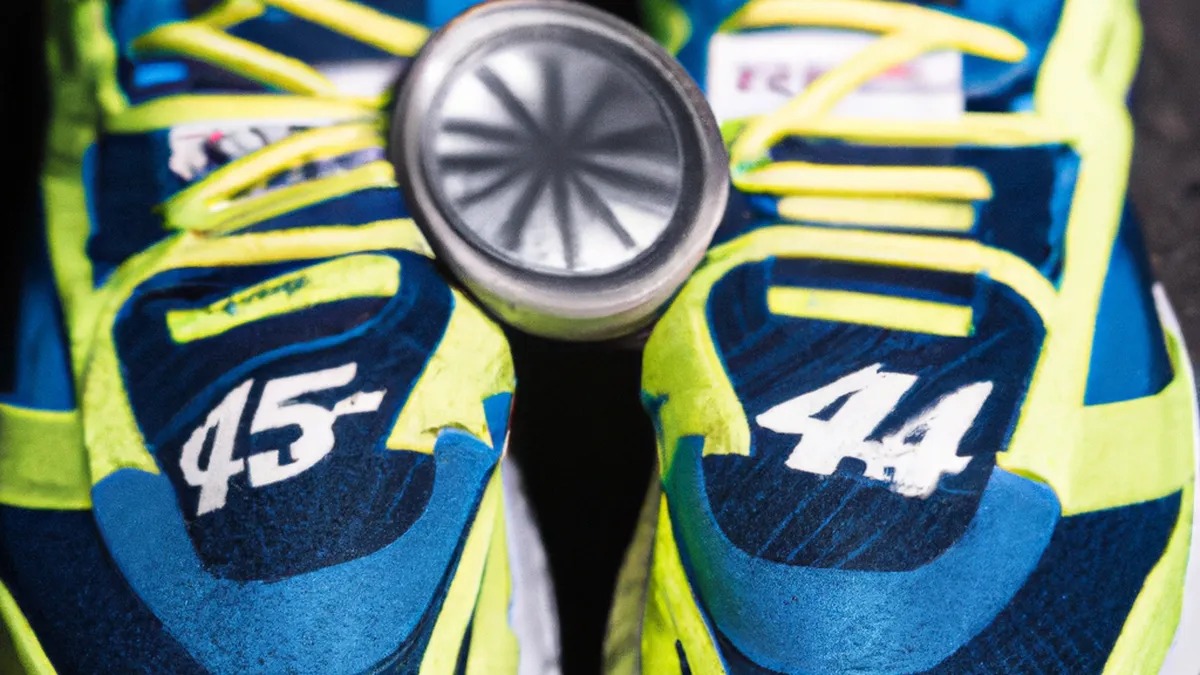
Hone Your Split Times for Peak Performance
Race Day Strategy Development: Your Key to SuccessRace day brings excitement and anxiety. After countless training hours, the moment of truth arrives. A well-crafted race day strategy ensures peak performance. Whether you’re a novice or experienced, a solid plan helps navigate challenges, instills confidence, and leads to success. In this post, we’ll share essential tips and the benefits of a comprehensive race day strategy.
Understanding Your Race
To craft an effective strategy, understand your race specifics. Consider distance, terrain, and weather conditions, as each factor impacts performance.
Distance Matters
Race distance is critical to your strategy. Different distances require varied pacing and energy management. For a 5K, start strong and maintain a faster pace. For a marathon, adopt a conservative approach to avoid burnout. Knowing your race distance helps create a pacing strategy aligned with your fitness level.
Terrain Insights
The terrain of the race course is equally important. Is it flat, hilly, or a mix? A hilly course requires a different pacing strategy. Conserve energy on inclines and regain speed on downhill sections. Study the course map and elevation profile to plan your efforts and anticipate challenges.
Weather Conditions
Weather greatly influences race day performance. Hot, humid conditions may require more hydration breaks and a slower pace. Cold weather might necessitate extra layers for warmth. Check the forecast ahead of time to prepare mentally and physically.
Pre-Race Preparation
As an Amazon Associate I earn from qualifying purchases.
Gear tip: consider running headlamp, electrolyte mix, and soft flasks to support this topic.
Preparation starts long before the race gun goes off. Create a comprehensive plan and follow it. Here are crucial steps for effective preparation.
Nutrition and Hydration
Nutrition is vital for race day success. In the days leading up to the race, consume balanced meals rich in carbohydrates. Avoid heavy, greasy foods that upset your stomach. Hydration is equally important; drink enough water and include electrolyte-rich beverages for proper fluid balance.On race day, have a nutrition plan in place. Practice your pre-race meal during training to find what works best. Some runners prefer a light breakfast, while others use energy gels or chews. Experiment during training runs to find the right balance.
Gear Check
Having the right gear ensures comfort and performance. Choose appropriate clothing and shoes.
Conclusion
In summary, a well-crafted race day strategy enhances your performance and boosts your confidence.
Below are related products based on this post:
FAQ
What is the importance of a race day strategy?
A race day strategy is crucial for achieving peak performance and navigating challenges. It instills confidence and helps both novice and experienced runners to prepare effectively for the race ahead.
How does race distance affect my strategy?
Race distance significantly impacts pacing and energy management. For shorter races like a 5K, a strong start and faster pace are essential, while longer races like marathons require a more conservative approach to avoid burnout.
What should I consider about the race terrain?
The terrain of the race course influences your pacing strategy. Hilly courses demand energy conservation on inclines and speed recovery on downhill sections, so studying the course map and elevation profile is vital for effective planning.













Post Comment