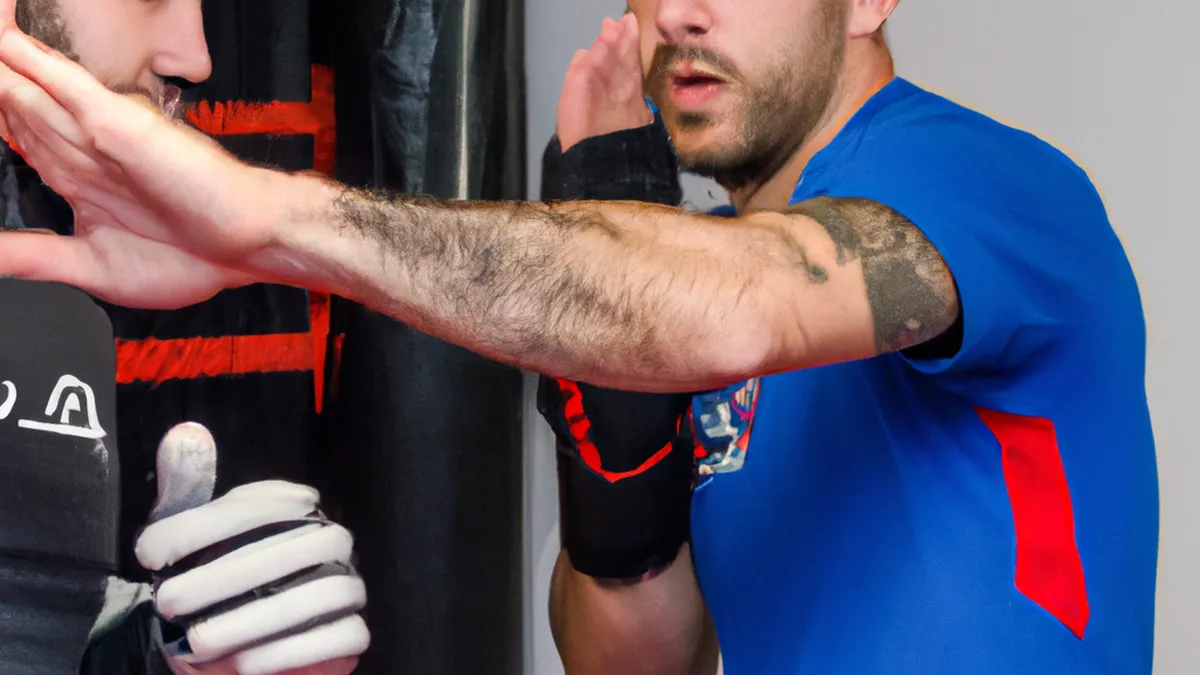
Fearless Fighters: Confidence from Day One
Building Confidence in Young FightersConfidence shapes young fighters’ performance in the ring and their approach to life. When athletes believe in themselves, they push limits, learn quickly, and confront obstacles. This blog post explores effective strategies for building confidence, helping young fighters excel in their sport and develop resilience.
Understanding the Importance of Confidence
Combat sports can intimidate young fighters. They face competition pressure, coach and parent expectations, and fear of failure. This pressure can harm their confidence and cause performance anxiety. Confidence shields them from these challenges, allowing them to stay focused and resilient under stress.Strong self-belief leads to better performance. Confident fighters take risks, experiment with techniques, and endure training pain. They recover from setbacks quickly, viewing failures as learning opportunities. Ultimately, confidence fosters a love for the sport, encouraging commitment and enthusiasm.
Tips for Building Confidence
As an Amazon Associate I earn from qualifying purchases.
Gear tip: consider compression sleeves, compression socks, and percussive massager to support this topic.
1. Set Achievable Goals
Start building confidence by setting small, realistic goals. Make these goals specific, measurable, and time-bound. For example, a young fighter might aim to improve their jab technique or increase endurance in a month. Achieving these milestones provides accomplishment and reinforces belief in success.Once they reach initial goals, encourage them to set new, slightly more challenging ones. This creates a success cycle where each achievement builds confidence. Celebrate every victory, no matter how small, and help them recognize their hard work.
2. Create a Supportive Environment
Foster confidence in young fighters by creating a supportive training environment. Surround them with positive influences—motivating coaches, encouraging teammates, and supportive family members.Teach young fighters to communicate openly about their feelings. Encourage them to share challenges, fears, and triumphs with coaches and peers. When fighters feel safe expressing themselves, they develop a stronger sense of self and resilience.
3. Practice Visualization Techniques
Visualization significantly enhances a fighter’s confidence. Encourage young fighters to visualize success in various scenarios, such as executing techniques or winning matches. This mental rehearsal prepares them for real-life situations, reducing anxiety and boosting self-belief.Before a fight, guide them through a visualization exercise. Ask them to close their eyes and picture themselves successfully navigating the match and executing strategies. This technique can help reduce pre-fight jitters.
Conclusion
Building confidence in young fighters involves setting achievable goals, creating supportive environments, and practicing visualization. These strategies foster resilience and self-belief, helping young athletes thrive in combat sports and life.
Below are related products based on this post:
FAQ
Why is confidence important for young fighters?
Confidence is crucial for young fighters as it shapes their performance and approach to challenges. It helps them push their limits, learn quickly, and confront obstacles, ultimately fostering a love for the sport and enhancing their resilience.
How can young fighters build confidence?
Young fighters can build confidence by setting achievable goals, creating a supportive training environment, and practicing visualization techniques. Achieving small, realistic goals reinforces their belief in success, while a positive atmosphere encourages open communication and self-expression.
What role does visualization play in building confidence?
Visualization plays a significant role in enhancing a fighter’s confidence by allowing them to mentally rehearse success in various scenarios. This technique prepares them for real-life situations, reduces anxiety, and boosts their self-belief before competitions.














Post Comment