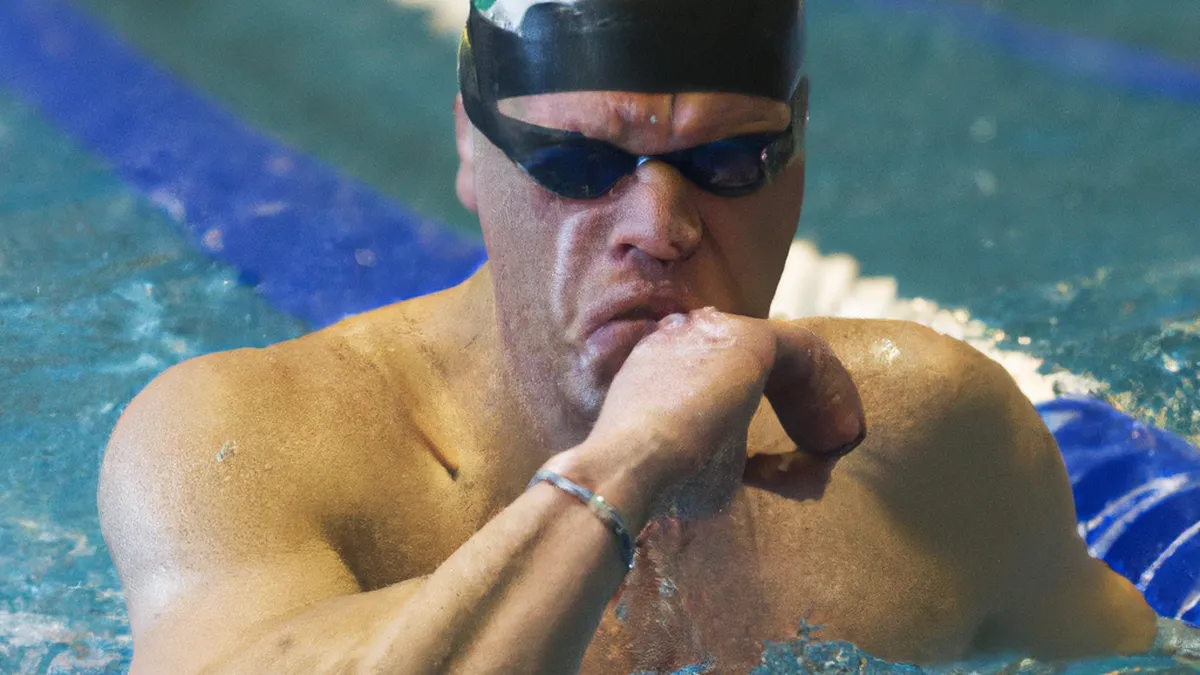
Masters Athletes: Training for Peak Performance
Age-Specific Conditioning Programs: Tailoring Fitness to Life StagesAge-specific conditioning programs address the unique needs of individuals at various life stages. These programs enhance fitness, improve health, and boost overall well-being. Tailoring fitness routines to age-specific requirements ensures optimal results. Let’s explore tips, advice, and benefits of these specialized programs.
Understanding Age-Specific Needs
As people age, bodily changes impact physical capabilities. From childhood to older adulthood, individuals experience shifts in muscle mass, bone density, flexibility, and cardiovascular health. Fitness programs must adapt to these changes for maximum effectiveness and safety.
Children and Adolescents
Children and adolescents experience critical growth, so fostering a positive relationship with physical activity is essential. Their conditioning programs should prioritize fun, engagement, and skill development over competition. Activities like team sports, dance, swimming, or gymnastics build coordination, strength, and social skills while keeping them motivated.Fundamental movement skills—such as running, jumping, throwing, and catching—are vital during this stage. These skills form the foundation for future athletic activities and encourage lifelong fitness habits. Incorporating games and playful activities makes exercise enjoyable and fosters a lasting love for movement.
Adults and Middle-Aged Individuals
Adults and middle-aged individuals often struggle to find time for exercise due to work and family commitments. Therefore, conditioning programs should prioritize efficiency while delivering effective results. High-intensity interval training (HIIT) allows for significant cardiovascular and muscular benefits in shorter sessions.Strength training becomes crucial during this stage. Age-related muscle mass decline can slow metabolism and increase injury risk. Incorporating resistance exercises two to three times per week combats these changes, improves functional strength, and supports overall health.Many middle-aged individuals experience stress from work or family responsibilities. Including mindfulness practices like yoga or Pilates improves flexibility and strength while reducing stress and enhancing mental well-being.
Older Adults
Older adults focus on maintaining mobility, balance, and independence. Conditioning programs for this demographic should prioritize exercises that enhance flexibility, strength, and stability. Activities like yoga, tai chi, and water aerobics improve balance and flexibility while reducing fall risk.Strength training remains crucial for older adults. It helps maintain bone density and muscle mass, which naturally decline with age. A routine that includes light weights or resistance bands proves effective. Low-impact cardiovascular activities, such as walking, cycling, or swimming, improve heart health without straining the joints.Engaging in social activities, like group exercise classes, provides emotional support and motivation, fostering a sense of community.
Tips for Developing Age-Specific Programs
As an Amazon Associate I earn from qualifying purchases.
Gear tip: consider swim goggles, swim cap, and kickboard to support this topic.
1. Assess individual needs and limitations.2. Incorporate enjoyable activities to maintain motivation.3. Encourage gradual progression in intensity and complexity.4. Emphasize safety and proper techniques to prevent injuries.5. Foster a supportive environment for social interaction and encouragement.
Conclusion
Age-specific conditioning programs effectively cater to individuals’ unique needs at different life stages. Tailoring fitness routines enhances results and promotes overall well-being.
Below are related products based on this post:
FAQ
What are age-specific conditioning programs?
Age-specific conditioning programs are tailored fitness routines designed to meet the unique needs of individuals at various life stages. These programs enhance fitness, improve health, and boost overall well-being by adapting to the physical changes that occur as people age.
Why is it important to tailor fitness routines to different age groups?
Tailoring fitness routines to different age groups is essential because bodily changes impact physical capabilities. By addressing these changes, fitness programs can ensure maximum effectiveness and safety, promoting better health outcomes for individuals throughout their lives.
What types of activities are recommended for children and adolescents?
For children and adolescents, activities should prioritize fun, engagement, and skill development. Team sports, dance, swimming, and gymnastics are excellent options that build coordination, strength, and social skills, while also fostering a positive relationship with physical activity.














Post Comment