
Physical Benchmarks for Sport Return
Return-to-Play Criteria for AthletesAthletes must carefully evaluate their readiness before returning to play after an injury. A structured approach ensures physical and mental preparedness. Rushing back can lead to further injuries or complications. Understanding return-to-play criteria helps athletes, coaches, and medical professionals transition safely back to competition.
Understanding the Return-to-Play Process
The return-to-play process has several stages. First, athletes must fully heal from their injuries. This healing phase is crucial to avoid exacerbating the injury. Once healed, athletes must regain strength, flexibility, and endurance. Finally, they need to perform sport-specific skills without pain or discomfort.Each sport presents unique demands. Thus, return-to-play criteria can vary across sports and injuries. However, fundamental principles apply to all athletic disciplines. Familiarizing with these principles aids a smoother transition back to play.
Key Return-to-Play Criteria
As an Amazon Associate I earn from qualifying purchases.
Gear tip: consider kettlebell, adjustable dumbbells, and olympic barbell to support this topic.
Medical Clearance
Athletes must obtain medical clearance from a qualified healthcare professional before returning to play. This evaluation includes a physical examination. Healthcare providers assess injury recovery and overall physical condition. They evaluate pain levels, range of motion, and strength in the injured area. Providers also look for signs of re-injury or complications. Only after a thorough assessment should athletes consider returning to their sport.
Functional Testing
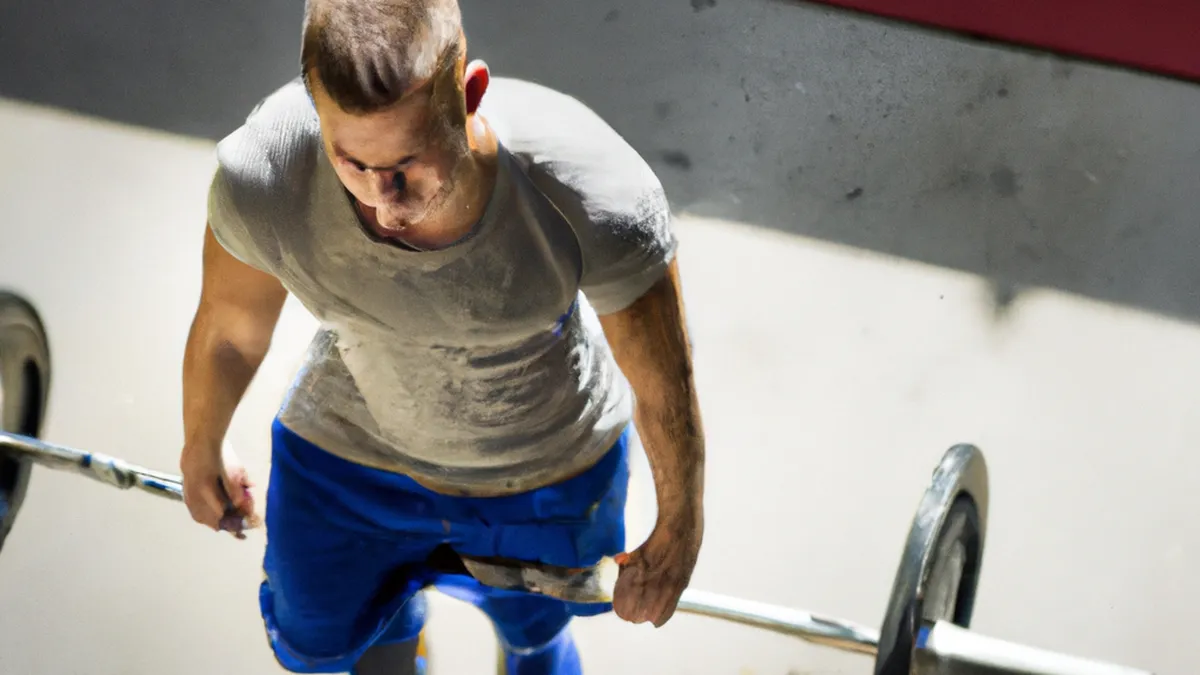
Functional testing is vital in the return-to-play process. This testing assesses athletes’ ability to perform essential movements and skills. Tests may include agility drills, strength assessments, balance exercises, and sport-specific skills. For example, soccer players might get evaluated on sprinting, changing direction, and kicking pain-free. Athletes must demonstrate proficiency in these areas before full participation. If they struggle with functional tests, further rehabilitation may address specific deficits.
Psychological Readiness
Mental readiness is as important as physical readiness. Athletes need confidence in their abilities and trust in their bodies. Fear of re-injury can hinder performance and increase anxiety. This fear makes it difficult for athletes to focus during competition. Engaging in mental training builds confidence and alleviates re-injury fears. Techniques like visualization, relaxation exercises, and positive affirmations enhance mental preparedness.
Gradual Return to Activity
Athletes should follow a phased approach when returning to activity. This strategy minimizes the risk of overexertion and reduces the chance of injury recurrence.
Conclusion
In summary, understanding return-to-play criteria ensures athletes transition safely back to competition, minimizing injury risks and promoting confidence.
Below are related products based on this post:
FAQ
What is the return-to-play process for athletes?
The return-to-play process involves several stages, starting with the full healing of the injury. Once healed, athletes must regain strength, flexibility, and endurance, followed by demonstrating sport-specific skills without pain or discomfort. Each sport has unique demands, making it essential to understand the specific criteria for a safe return.
Why is medical clearance necessary before returning to play?
Medical clearance from a qualified healthcare professional is crucial to ensure that the athlete has fully recovered from their injury. This evaluation includes a physical examination to assess injury recovery, pain levels, range of motion, and strength. Only after a thorough assessment should athletes consider returning to their sport.
How important is psychological readiness in the return-to-play process?
Psychological readiness is as important as physical readiness for athletes returning to play. Confidence in their abilities and trust in their bodies can significantly affect performance. Engaging in mental training techniques can help alleviate fears of re-injury and enhance overall mental preparedness for competition.











Post Comment