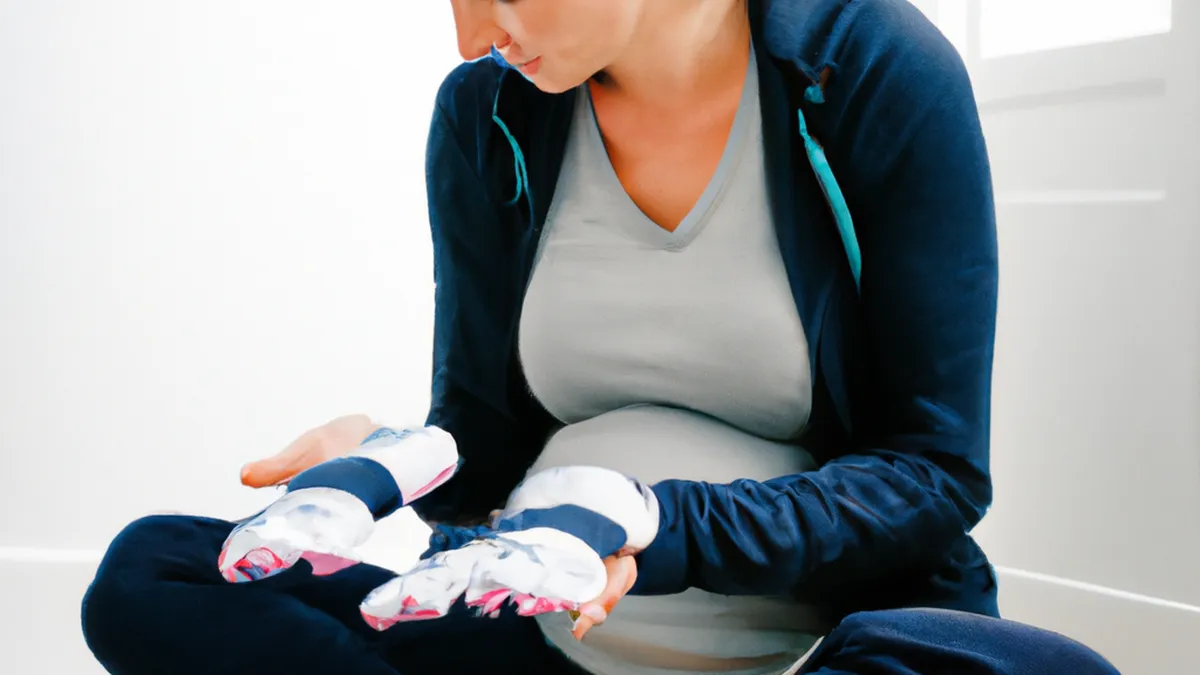
Pregnancy: Balance Fitness and Safety
Injury Risk Management During PregnancyPregnancy transforms your body and brings excitement, but it also presents unique challenges. One challenge involves managing injury risk. As your body changes, you must understand how to protect your health and your baby’s well-being. This blog post offers practical tips for injury risk management during pregnancy, providing essential knowledge to navigate this important period safely.
Understanding the Physical Changes
Pregnancy causes significant physical changes that affect balance, coordination, and body mechanics. As your belly grows, your center of gravity shifts, altering your posture and increasing fall risk. Hormonal changes, especially the rise in relaxin, relax ligaments and joints, making them less stable. This increased laxity heightens your susceptibility to strains and sprains. Awareness of these changes enables you to take proactive steps to maintain safety and mobility during pregnancy.
Common Injuries During Pregnancy
Several injuries can occur during pregnancy due to the physical changes mentioned. Back pain often arises from added weight and posture changes. Many women also experience pelvic pain from stretching ligaments and muscles. Other potential injuries include falls, strains, sprains, and carpal tunnel syndrome, resulting from swelling and nerve pressure in the wrist. Recognizing these risks allows you to manage them effectively and take necessary precautions.
Importance of Injury Prevention
Injury prevention remains crucial for both you and your baby. Unmanaged injuries can lead to complications that affect your well-being, possibly causing chronic pain or limiting your physical activity. Additionally, injuries can induce emotional stress and anxiety, complicating the pregnancy experience. Therefore, adopting preventive measures ensures a smoother pregnancy, promotes overall well-being, and fosters a positive mindset during this transformative time.
Tips for Injury Risk Management
As an Amazon Associate I earn from qualifying purchases.
Gear tip: consider compression sleeves, compression socks, and percussive massager to support this topic.
1. **Stay Active Safely**: Regular exercise is vital for maintaining physical health during pregnancy. Choose low-impact activities that won’t stress your body. Walking, swimming, and prenatal yoga strengthen muscles, improve flexibility, and promote cardiovascular health without increasing injury risk.2. **Listen to Your Body**: Your body undergoes significant changes, so pay attention to its signals. If discomfort or pain arises during any activity, stop immediately. Ignoring pain can lead to injuries or worsen existing issues. Instead, choose gentler movements that feel comfortable and allow your body to adapt.3. **Use Proper Techniques**: When lifting objects, bend at your knees instead of your back. This technique helps prevent back strain and reduces injury risk. If you need to lift something heavy, ask for assistance.
Conclusion
Injury risk management during pregnancy is essential for your health and your baby’s well-being. Stay active, listen to your body, and use proper techniques to ensure a safer pregnancy journey.
Below are related products based on this post:
FAQ
What physical changes occur during pregnancy that affect injury risk?
Pregnancy leads to significant physical changes, including a shift in the center of gravity and altered posture, which increase fall risk. Additionally, hormonal changes, particularly the rise in relaxin, cause ligaments and joints to relax, making them less stable and increasing susceptibility to strains and sprains.
What are some common injuries experienced during pregnancy?
Common injuries during pregnancy include back pain, pelvic pain, falls, strains, sprains, and carpal tunnel syndrome. These injuries often result from added weight, posture changes, and swelling that affects nerve pressure in the wrist.
Why is injury prevention important during pregnancy?
Injury prevention is crucial for both the mother and baby, as unmanaged injuries can lead to complications, chronic pain, and limited physical activity. Furthermore, injuries can cause emotional stress and anxiety, which may complicate the pregnancy experience.














Post Comment