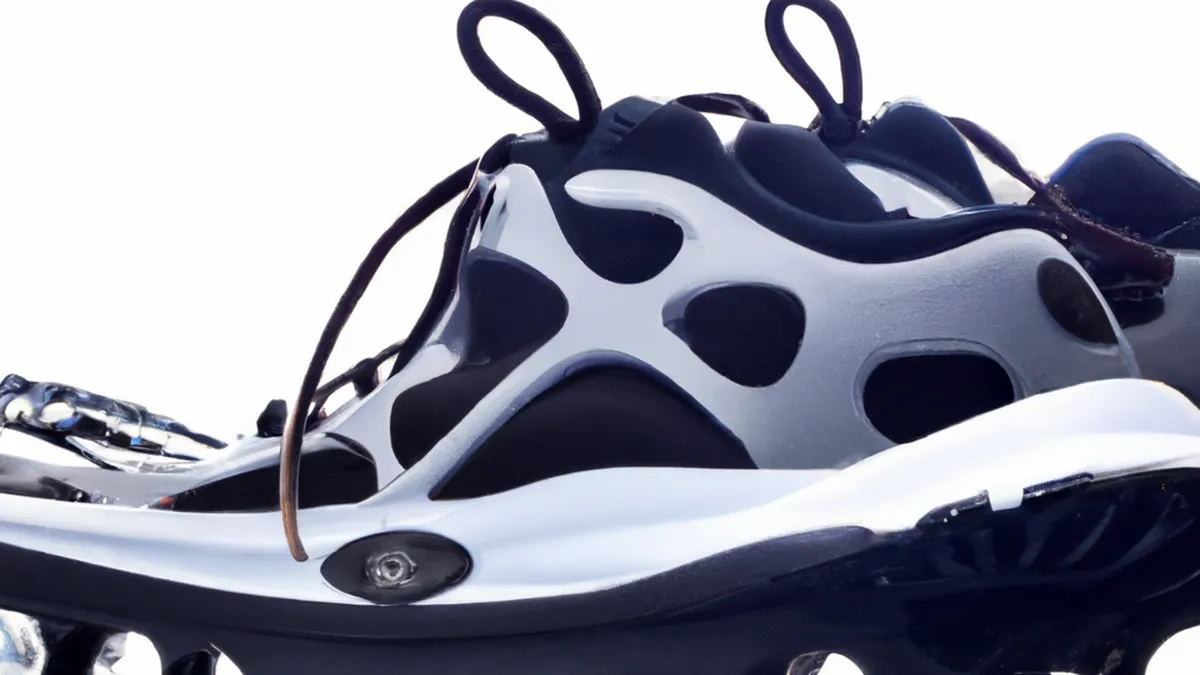
Improved Mobility: Try Snowshoe Walking
Senior-Friendly Snowshoe ExercisesWinter allows seniors to stay active and appreciate nature. Snowshoeing offers low-impact exercise and various health benefits. It’s easy to learn and suits all fitness levels, making it a great winter activity. This blog post explores senior-friendly snowshoe exercises that enhance strength, balance, and cardiovascular health.
Getting Started with Snowshoeing
Before hitting the trails, gather the right equipment. Choose snowshoes that fit comfortably and match your weight. Select models designed for flat trails or rugged paths based on your environment.Proper footwear is essential. Wear warm, waterproof boots with insulation and good traction to prevent slips. Layer your clothing to manage body temperature. A well-fitted winter jacket, moisture-wicking base layers, and insulated gloves and hats keep you warm without overheating.Before venturing out, check the weather and trail conditions. Look for well-groomed, beginner-friendly trails, especially if you’re new to snowshoeing. Going with a friend or joining a group can enhance safety and enjoyment.
Warm-Up Exercises
As an Amazon Associate I earn from qualifying purchases.
Gear tip: consider stretching strap, hydration vest, and running headlamp to support this topic.
Warming up before physical activity prevents injuries, especially for seniors. Here are effective exercises to prepare your body for snowshoeing:
1. Arm Circles
Stand with your feet shoulder-width apart. Extend your arms straight out at shoulder height. Make small circles with your arms for 30 seconds, gradually increasing their size. Reverse the direction for another 30 seconds. This exercise warms up your shoulders and enhances circulation.
2. Leg Swings
Hold onto a sturdy object for balance, like a tree or fence post. Swing one leg forward and backward smoothly. Repeat ten times on each leg. Leg swings activate hip muscles and improve your range of motion.
3. Gentle Stretches
Perform gentle stretches for your calves, hamstrings, and quadriceps. For calf stretches, place your hands against a wall and step one foot back. For hamstring stretches, sit on the ground and reach for your toes. To stretch quadriceps, stand on one leg and pull your opposite foot toward your glutes. Hold each stretch for 15-30 seconds. Stretching improves flexibility and reduces muscle tightness.
Conclusion
Enjoy winter activities safely by incorporating these snowshoe exercises. Stay active and embrace the beauty of winter!
Below are related products based on this post:
FAQ
What equipment do I need to start snowshoeing?
To start snowshoeing, you need a pair of snowshoes that fit comfortably and are appropriate for your weight. Additionally, wearing warm, waterproof boots with good traction is essential to prevent slips and keep your feet warm.
Why is warming up important before snowshoeing?
Warming up is crucial, especially for seniors, as it helps prevent injuries by preparing the body for physical activity. Effective warm-up exercises enhance circulation and improve flexibility, making your snowshoeing experience safer and more enjoyable.
What types of trails should beginners look for when snowshoeing?
Beginners should seek well-groomed, beginner-friendly trails to ensure a safe and enjoyable experience. It’s important to check the weather and trail conditions beforehand to choose the best environment for your snowshoeing adventure.














Post Comment