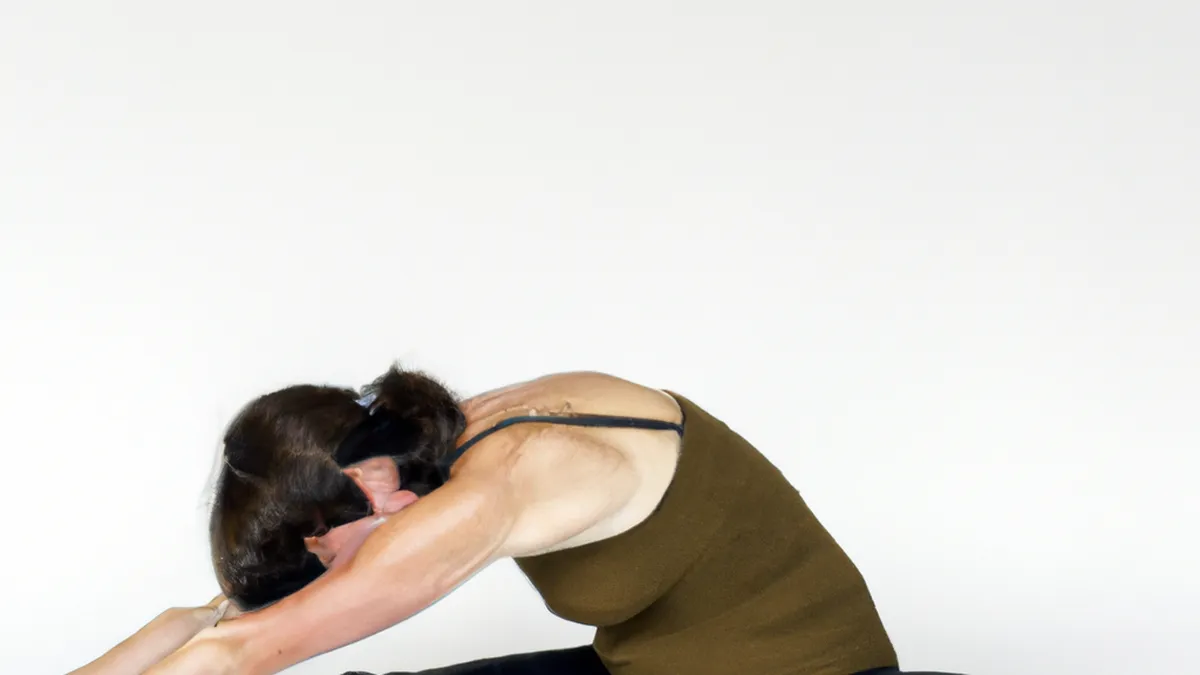
Flow into Flexibility: Paddler’s Routine
Flexibility Routines for PaddlersPaddling requires strength, endurance, and flexibility. Whether you kayak, canoe, or stand-up paddleboard, flexibility enhances performance and prevents injuries. This post explores effective flexibility routines designed for paddlers. You’ll discover useful tips and benefits. Let’s dive in!
Why Flexibility Matters for Paddlers
Paddling involves repetitive motions that can tighten muscles. Tight muscles restrict your range of motion and affect stroke efficiency. Limited flexibility also raises injury risk. Flexibility routines enhance performance and enrich your paddling experiences.
Effective Flexibility Routines
As an Amazon Associate I earn from qualifying purchases.
Gear tip: consider tactics board, stretching strap, and yoga blocks to support this topic.
Begin each routine with a warm-up. Light jogging or dynamic stretches work well. After warming up, focus on these routines:
1. Upper Body Stretches
Your upper body performs most paddling work. Prioritize stretches for your shoulders, back, and arms.- **Shoulder Stretch**: Bring one arm across your chest. Use the other arm to gently pull it closer. Hold for 15-30 seconds. Repeat on the other side.- **Triceps Stretch**: Raise one arm overhead and bend the elbow. Use the other hand to gently push down on the bent elbow. Hold for 15-30 seconds. Switch sides.- **Torso Twist**: Sit or stand with your feet shoulder-width apart. Twist to one side and hold for 15-30 seconds. Repeat on the other side.
2. Lower Body Stretches
Your lower body also plays a crucial role in paddling. Focus on your hips, hamstrings, and calves.- **Hip Flexor Stretch**: Kneel on one knee with the other foot in front. Push your hips forward while keeping your back straight. Hold for 15-30 seconds, then switch sides.- **Hamstring Stretch**: Sit on the ground and extend one leg. Bend forward at the hips, reaching for your toes. Hold for 15-30 seconds, then switch legs.- **Calf Stretch**: Stand facing a wall, placing your hands on it. Step one foot back, keeping it straight. Bend the front knee. Hold for 15-30 seconds, then switch legs.
3. Full Body Routine
Incorporate full-body stretching to improve overall flexibility.- **Downward Dog**: Start on your hands and knees. Lift your hips towards the ceiling, forming an inverted V. Hold for 15-30 seconds. This stretches your back, hamstrings, and calves.- **Cat-Cow Stretch**: On all fours, alternate between arching your back (cat) and dipping it (cow). Repeat for 30 seconds to increase spine flexibility.- **Child’s Pose**: Kneel and sit back on your heels. Extend your arms forward and lower your torso to the ground. Hold for 30 seconds. This pose relaxes your back and hips.
Tips for Incorporating Flexibility Routines
Maximize your flexibility routines with these tips:1. **Consistency is Key**: Stretch at least three times a week. Consistent practice yields the best results.2. **Listen to Your Body**: Stretch to mild discomfort, not pain. Never push beyond your limits.3. **Breathe Deeply**: Use deep breathing techniques while stretching. This helps you relax and deepen your stretches.4. **Stay Hydrated**: Drink water before and after stretching sessions. Proper hydration supports muscle function.
Benefits of Flexibility Routines
Adding flexibility routines to your training provides many benefits:- **Improved Range of Motion**: Enhanced flexibility allows freer movement, improving your paddling technique.- **Injury Prevention**: Regular stretching lowers the risk of strains and sprains, promoting safer paddling.- **Enhanced Performance**: Better flexibility leads to more efficient strokes, increasing speed and stamina on the water.- **Faster Recovery**: Stretching alleviates soreness and tightness after paddling, promoting quicker recovery.
Conclusion
Flexibility routines are vital for paddlers who want to enhance performance and prevent injuries. Focus on upper and lower body stretches to improve your range of motion. Stay consistent, listen to your body, and breathe deeply. With dedication, you’ll paddle better and longer. Start today and feel the difference in your next paddling adventure!
Below are related products based on this post:
FAQ
Why is flexibility important for paddlers?
Flexibility is crucial for paddlers as it enhances performance and prevents injuries. Paddling involves repetitive motions that can tighten muscles, restricting range of motion and affecting stroke efficiency. Improved flexibility allows for freer movement, reducing the risk of strains and sprains.
What are some effective upper body stretches for paddlers?
Effective upper body stretches include the Shoulder Stretch, Triceps Stretch, and Torso Twist. These stretches target the shoulders, back, and arms, which are essential for paddling. Holding each stretch for 15-30 seconds helps to improve flexibility and range of motion.
How often should paddlers incorporate flexibility routines?
Paddlers should aim to stretch at least three times a week for optimal results. Consistency is key to improving flexibility and enhancing overall performance. Listening to your body and not pushing beyond your limits is also important during these routines.














Post Comment