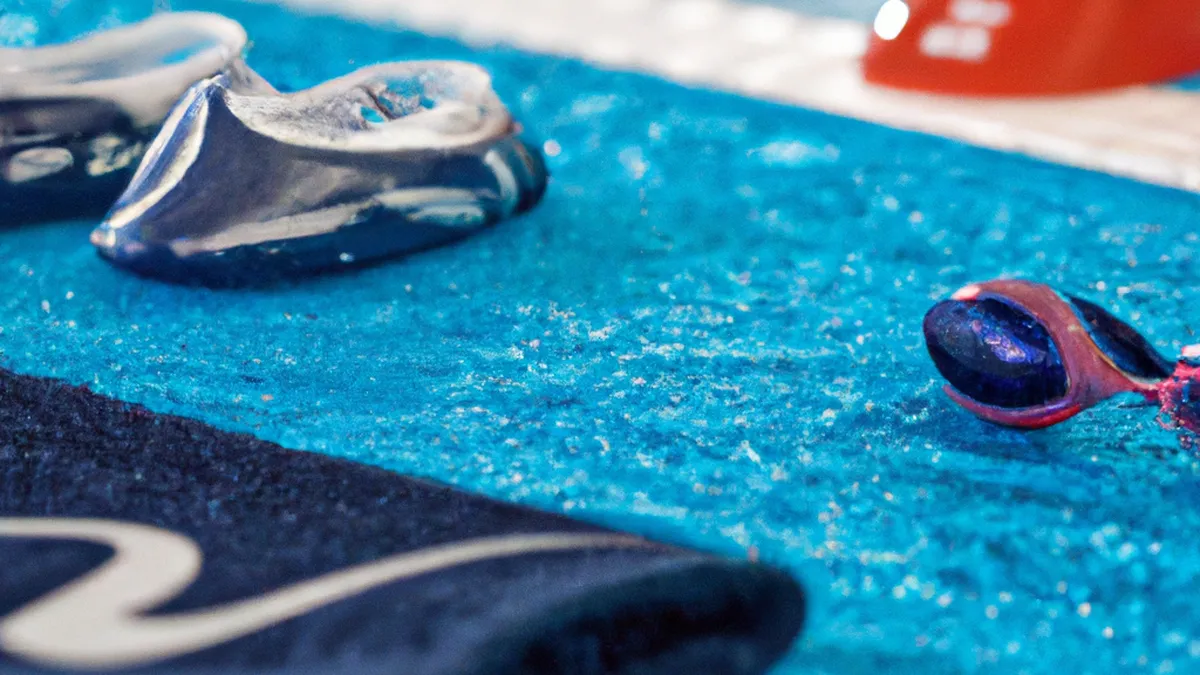
Substitution Techniques to Protect Your Knees
Tactical Substitutions for Knee InjuriesKnee injuries frustrate and limit movement. They can impact daily activities, whether from sprains, strains, or meniscus tears. Recovery can be long and challenging, but you can stay active and maintain fitness. This blog explores substitutions to keep you engaged, focusing on safety and well-being.
Understanding Your Injury
Understanding your knee injury is essential before changing your workout routine. Common knee injuries include:- **Sprains:** Ligaments connecting bones become overstretched or torn.- **Strains:** Injuries occur to muscles or tendons around the knee.- **Meniscus Tears:** Cartilage cushioning the knee joint gets damaged, especially in athletes.Each injury requires a different recovery and exercise approach. Consult a healthcare professional for a proper diagnosis. They will recommend safe and effective exercises based on your condition.
Listening to Your Body
As an Amazon Associate I earn from qualifying purchases.
Gear tip: consider pull buoy, swim paddles, and knee brace to support this topic.
Listen to your body during recovery. Notice any pain or discomfort during activities. Stop immediately if you feel pain. Pushing through discomfort can worsen your injury. Focus on low-impact exercises that protect your knee.
The Importance of Rest and Recovery
Rest plays a vital role in healing. Allow your knee time to recover for long-term health. Use ice and elevate your leg to reduce swelling. Gentle stretching helps maintain flexibility without pressuring the knee joint. During recovery, prioritize activities that promote healing while keeping you engaged.
Exploring Low-Impact Alternatives
Incorporate low-impact exercises into your routine to maintain fitness. These options keep you active without stressing your knees:
Swimming
Swimming offers an excellent low-impact workout. Water buoyancy supports your body, reducing joint pressure. This full-body workout engages multiple muscle groups while resting your knee. Focus on gentle strokes like freestyle and backstroke for mobility without risk.
Cycling
Cycling, especially on a stationary bike, serves as another great low-impact alternative. It strengthens quadriceps, hamstrings, and calves while promoting cardiovascular fitness. Adjust the seat height on the stationary bike for proper leg extension. This adjustment minimizes knee strain and ensures smooth movement.
Elliptical Machines
Elliptical machines provide low-impact workouts that mimic natural motion.
Conclusion
In summary, explore low-impact exercises to stay active while recovering from knee injuries. Prioritize safety and listen to your body for effective recovery.
Below are related products based on this post:
FAQ
What are common types of knee injuries?
Common knee injuries include sprains, strains, and meniscus tears. Sprains involve overstretching or tearing of ligaments, while strains affect the muscles or tendons around the knee. Meniscus tears involve damage to the cartilage cushioning the knee joint, often seen in athletes.
Why is it important to listen to my body during recovery?
Listening to your body during recovery is crucial to prevent aggravating your injury. If you experience pain or discomfort during activities, you should stop immediately. Ignoring discomfort can lead to a longer recovery time and further complications.
What are some recommended low-impact exercises for knee injury recovery?
Low-impact exercises such as swimming, cycling, and using elliptical machines are recommended for maintaining fitness during knee injury recovery. Swimming provides buoyancy that reduces joint pressure, while cycling strengthens leg muscles without straining the knee. Elliptical machines offer a natural motion that is gentle on the joints.











Post Comment