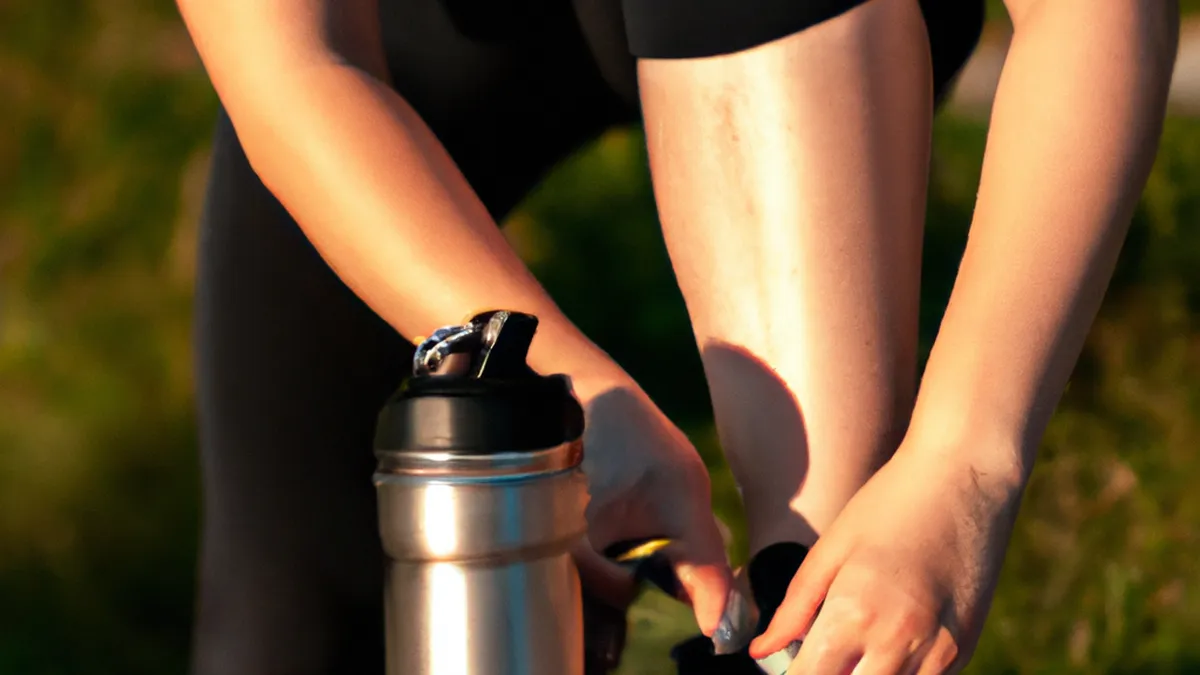
Keto Fuel: Boost Your Workout Performance
Combining Keto with Exercise: A Guide to Optimal Health The ketogenic diet, or keto, has become very popular. This low-carb, high-fat diet helps people lose weight and improve health. Many individuals want to combine keto with exercise for better results. This blog post explores tips, advice, and benefits of pairing these approaches.
Understanding Keto and Exercise
Understanding the basics of keto is essential. This diet reduces carbohydrate intake and increases fat consumption. Your body then enters a state of ketosis, burning fat for fuel instead of carbs. Exercise enhances fat loss and boosts overall fitness.When you exercise, your body needs energy. On a keto diet, it learns to use fat as the primary energy source. This shift provides benefits like increased endurance and improved mental clarity. However, combining the two can be challenging. Let’s explore effective strategies.
Tips for Combining Keto with Exercise
As an Amazon Associate I earn from qualifying purchases.
Gear tip: consider hydration tablets, whey protein powder, and plant protein powder to support this topic.
1. Gradually Transition to Keto
When starting a keto diet, your body needs time to adjust. Gradually reduce carb intake over a few days. This approach minimizes the chances of experiencing “keto flu,” which includes fatigue and headaches. During this transition, maintain your exercise routine with light workouts like walking or yoga.
2. Choose the Right Type of Exercise
Not all exercises work well with keto. Resistance training and high-intensity interval training (HIIT) are excellent options. These workouts build muscle and boost metabolism. They also enhance your body’s ability to burn fat. Long-distance cardio may not be as effective on a low-carb diet and can lead to fatigue without proper fueling.
3. Listen to Your Body
Pay attention to how you feel during workouts on keto. Some may experience decreased energy levels initially. If you feel fatigued, adjust your workout intensity or duration. Finding a balance that works for you is crucial. As your body adapts, you may notice increased endurance and strength.
4. Stay Hydrated and Replenish Electrolytes
Keto can lead to a loss of electrolytes, especially sodium, potassium, and magnesium. This loss can cause muscle cramps and fatigue. Drink plenty of water and add electrolyte-rich foods to your diet. Foods like spinach, avocados, and nuts help maintain electrolyte levels. Consider drinking bone broth or electrolyte supplements to replenish lost minerals.
Advice for Success
1. Plan Your Meals
Meal planning is vital for success on a keto diet. Prepare meals with healthy fats, moderate protein, and low-carb vegetables. This approach ensures you have the right nutrients to support workouts. Focus on whole foods like avocados, olive oil, nuts, and leafy greens.
2. Time Your Workouts
Timing your workouts affects your performance. Some prefer to exercise in a fasted state, while others eat a small meal beforehand. Experiment to find what works best for you. If you eat before working out, choose a keto-friendly snack like boiled eggs or a small serving of nuts.
3. Incorporate Recovery Days
Recovery is crucial for muscle growth and overall performance. On a keto diet, your body may take longer to recover initially. Include rest days in your routine. Use these days for light activities like stretching or gentle yoga. This approach prevents burnout and keeps you motivated.
Benefits of Combining Keto and Exercise
Combining keto with exercise offers numerous benefits. First, both lead to significant weight loss. When your body burns fat for fuel, you may notice reduced body fat percentage. Improved energy levels can enhance workout performance.Second, this combination boosts mental clarity. Many report increased focus and cognitive function on keto. Regular exercise enhances these benefits by promoting endorphin release. This boost improves your mood and motivation.Finally, combining keto and exercise leads to better overall health. A balanced diet and regular physical activity lower the risk of chronic diseases like heart disease, diabetes, and certain cancers.
Conclusion
Combining keto with exercise yields impressive results. By following the tips and advice in this post, you can optimize your health and fitness journey. Listen to your body and make adjustments as needed. With patience and dedication, enjoy the numerous benefits of this powerful combination. Start today and pave the way to a healthier, fitter you!
Below are related products based on this post:
FAQ
What is the ketogenic diet?
The ketogenic diet, or keto, is a low-carb, high-fat diet that helps individuals lose weight and improve their health. It reduces carbohydrate intake and increases fat consumption, leading the body to enter a state of ketosis, where it burns fat for fuel instead of carbs.
How should I exercise on a keto diet?
When exercising on a keto diet, it’s best to choose resistance training and high-intensity interval training (HIIT) as they build muscle and boost metabolism. Long-distance cardio may lead to fatigue without proper fueling, so it’s important to listen to your body and adjust workout intensity as needed.
What should I consider for meal planning on keto?
Meal planning is essential for success on a keto diet. Focus on preparing meals that include healthy fats, moderate protein, and low-carb vegetables to ensure you have the right nutrients to support your workouts and overall health.














Post Comment