Master Tactical Setups with Core Control
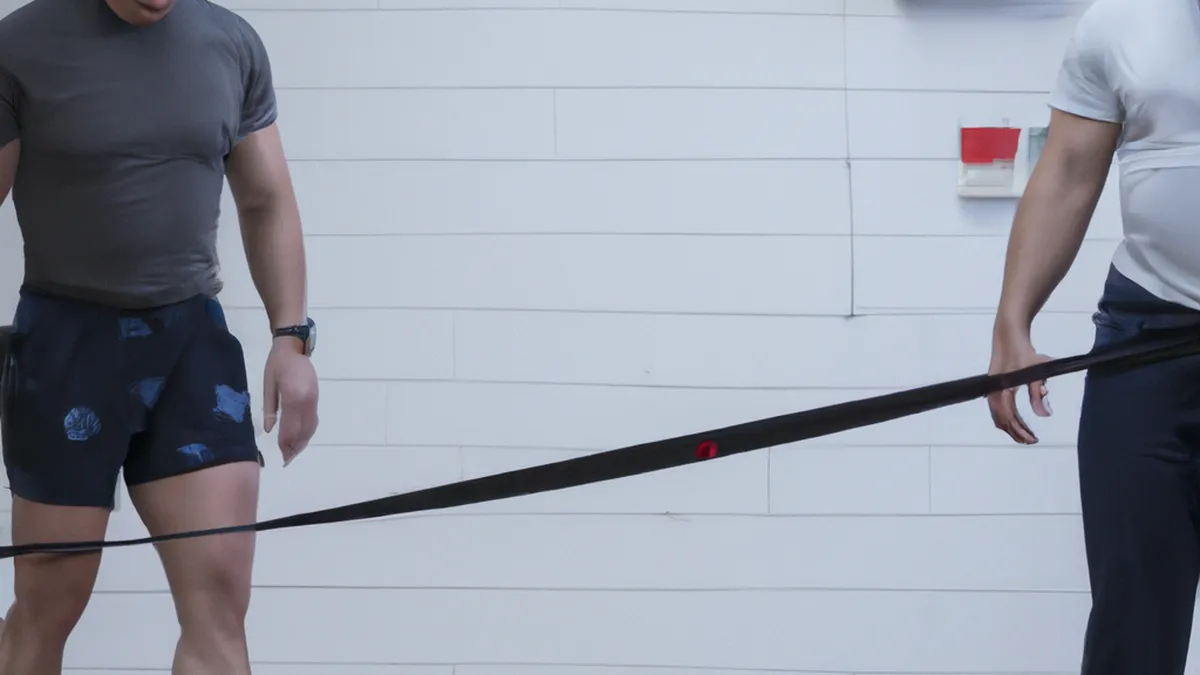
Core Control in Tactical SetupsCore control significantly impacts performance in sports, military operations, and law enforcement. A strong core enhances stability, strength, and movement efficiency in high-pressure situations. This post explores core control’s importance, offers practical tips for improvement, and highlights its benefits in tactical environments.
Understanding Core Control
Core control stabilizes and coordinates the torso muscles, including the abdomen, lower back, and pelvic region. These muscles support the spine and pelvis, ensuring proper posture and balance. In tactical scenarios, your body faces various demands. You might sprint, change directions, or perform complex movements under stress. A well-developed core lets you execute these actions confidently and efficiently.Core control involves the trunk’s ability to stabilize during dynamic movements, not just having a six-pack. A strong core protects against injuries and enhances task performance, whether lifting heavy objects or evading obstacles.
Tips for Improving Core Control
As an Amazon Associate I earn from qualifying purchases.
Gear tip: consider kettlebell, adjustable dumbbells, and olympic barbell to support this topic.
You can improve core control through dedication and consistency. Here are practical strategies to strengthen your core effectively:
1. Engage in Core Strengthening Exercises
Incorporate exercises targeting the core. Consider these key exercises:- **Planks:** Hold a plank position, maintaining a straight line from head to heels. Start with 20-30 seconds and gradually increase duration.- **Bridges:** Lie on your back with knees bent and feet flat. Lift your hips toward the ceiling, engaging your glutes and core. Hold briefly before lowering.- **Dead Bugs:** Lie on your back with arms extended and knees bent at 90 degrees. Lower one arm and the opposite leg towards the floor while pressing your lower back into the ground. Alternate sides.Aim for three sets of 10 to 15 repetitions for each exercise, engaging your core throughout.
2. Focus on Breath Control
Breath control enhances core stability. Practice diaphragmatic breathing by inhaling deeply through your nose and expanding your abdomen. Exhale through your mouth while engaging your core muscles. This technique activates your core and promotes relaxation and focus in high-stress situations.
3. Use Balance Equipment
Integrating balance equipment into your training enhances core strength and stability. Tools like stability balls, balance boards, and Bosu balls challenge your core while requiring body stabilization during movements.
Conclusion
Core control plays a vital role in tactical performance. Strengthening your core improves stability, efficiency, and injury prevention. Implement these strategies for better core control in tactical environments.
Below are related products based on this post:
FAQ
What is core control?
Core control refers to the ability of the torso muscles, including the abdomen, lower back, and pelvic region, to stabilize and coordinate during various movements. It is crucial for maintaining proper posture and balance, especially in high-pressure situations like sports and tactical operations.
How can I improve my core control?
You can improve core control by engaging in core strengthening exercises such as planks, bridges, and dead bugs. Additionally, focusing on breath control and using balance equipment can further enhance your core strength and stability.
Why is core control important in tactical environments?
Core control is essential in tactical environments because it enhances stability, strength, and movement efficiency. A strong core allows individuals to perform complex movements confidently while reducing the risk of injuries during high-stress situations.












Post Comment