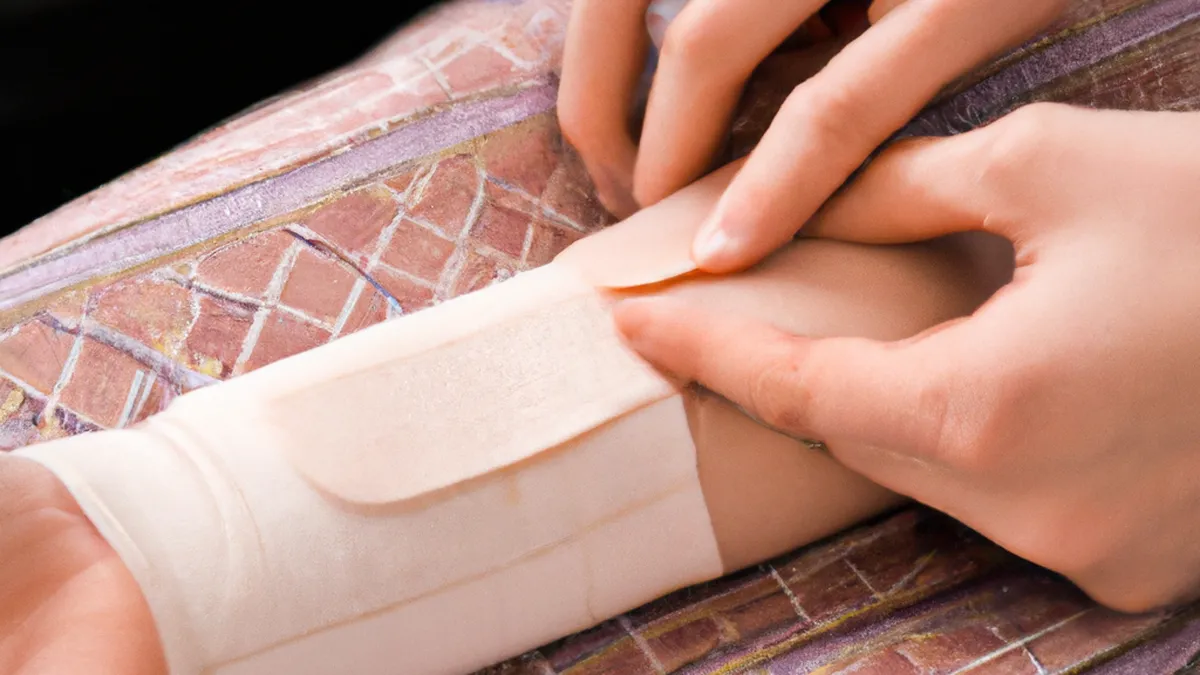
Bandage Applications for Fast Recovery
Bandaging Techniques for WoundsInjuries can happen anytime. Knowing how to bandage a wound properly makes a crucial difference. Proper bandaging protects the wound from infection and promotes healing. Understanding effective techniques empowers you to manage wounds safely and efficiently at home or during emergencies. This blog explores various bandaging methods, types of wounds, and essential wound care tips.
Understanding Wound Types
Before bandaging, recognize the wound type. Common types include:
1. Abrasions
Abrasions occur when skin rubs against rough surfaces, often seen in scrapes and road rash. These wounds may bleed slightly but usually heal quickly. They affect the top layer of skin, causing discomfort but often needing little medical attention.
2. Lacerations
Lacerations are deeper cuts that may require stitches, especially if longer than half an inch or bleeding profusely. These wounds often bleed more and need careful attention since they can affect deeper tissues like muscle and fat.
3. Puncture Wounds
Puncture wounds occur when sharp objects pierce the skin, such as nails or animal bites. These wounds can be deep and carry a risk of infection, as bacteria may enter the tissue. They often require medical evaluation, especially if there’s a higher tetanus risk.
4. Surgical Wounds
Surgical wounds result from surgical procedures and vary significantly in size and depth. These wounds require careful monitoring and specific bandaging techniques to promote healing and prevent infection.Understanding these wound types helps you choose the right bandaging technique.
Tips for Proper Bandaging
As an Amazon Associate I earn from qualifying purchases.
Gear tip: consider sports first aid kit, kt tape, and blister pads to support this topic.
Follow these steps for effective wound care. Each step plays a vital role in promoting healing and preventing complications.
Clean the Wound
First, clean the wound thoroughly. Use mild soap and warm water to gently remove dirt and debris. Avoid alcohol or hydrogen peroxide on open wounds, as these irritate tissue. Rinse gently to remove soap residue. This step reduces infection risk and prepares the wound for treatment.
Apply an Antibiotic
After cleaning, apply a thin layer of antiseptic ointment, such as bacitracin or Neosporin. This protects the wound and prevents infection. Choose an antibiotic ointment suitable for your skin type and watch for allergies. Ointment application helps keep the wound moist, which benefits healing.
Choose the Right Bandage
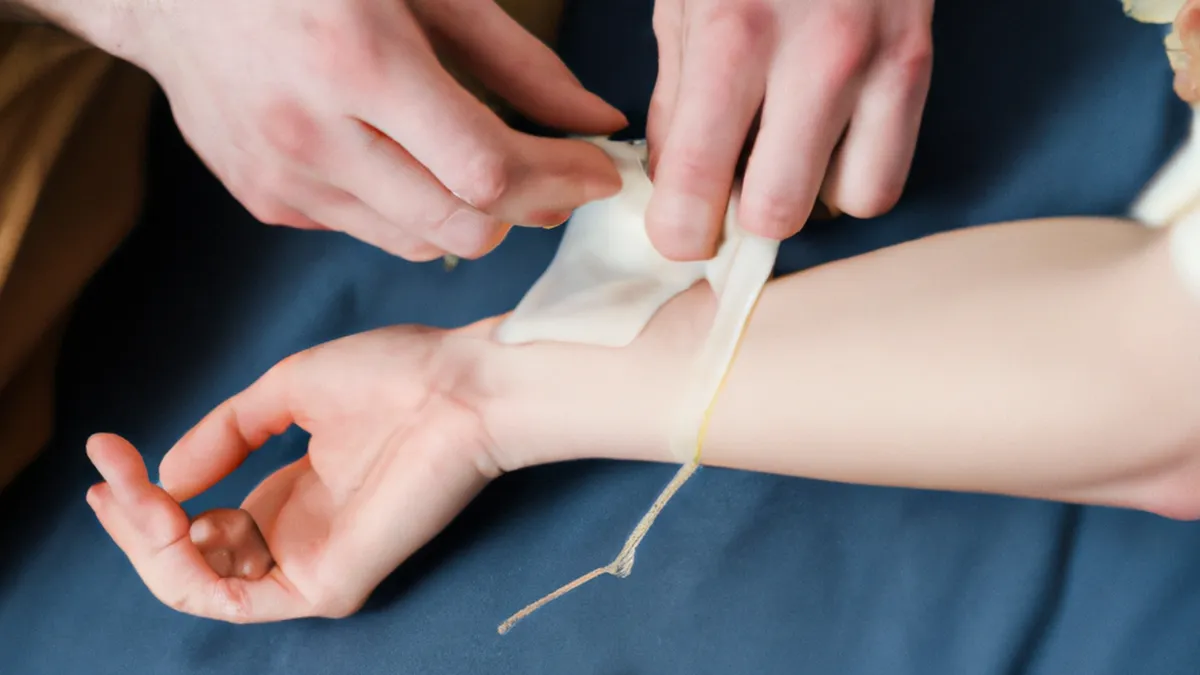
Select a bandage that fits the wound size and type. Use adhesive bandages for smaller cuts. For larger wounds, apply sterile gauze and adhesive tape. Ensure the bandage is breathable to allow air circulation, essential for healing.
Conclusion
In summary, understanding wound types and proper bandaging techniques ensures effective management and promotes healing.
Below are related products based on this post:
FAQ
What are the common types of wounds?
The common types of wounds include abrasions, lacerations, puncture wounds, and surgical wounds. Abrasions are minor scrapes, while lacerations are deeper cuts that may require stitches. Puncture wounds are caused by sharp objects and can pose infection risks, and surgical wounds result from medical procedures.
How should I clean a wound before bandaging it?
To clean a wound, use mild soap and warm water to gently remove dirt and debris. Avoid using alcohol or hydrogen peroxide on open wounds, as these can irritate the tissue. Rinse the area thoroughly to ensure no soap residue remains, which helps reduce the risk of infection.
What should I apply after cleaning the wound?
After cleaning the wound, apply a thin layer of antiseptic ointment, such as bacitracin or Neosporin. This step protects the wound from infection and keeps it moist, which aids in healing. Always ensure the ointment is suitable for your skin type and monitor for any allergic reactions.












Post Comment