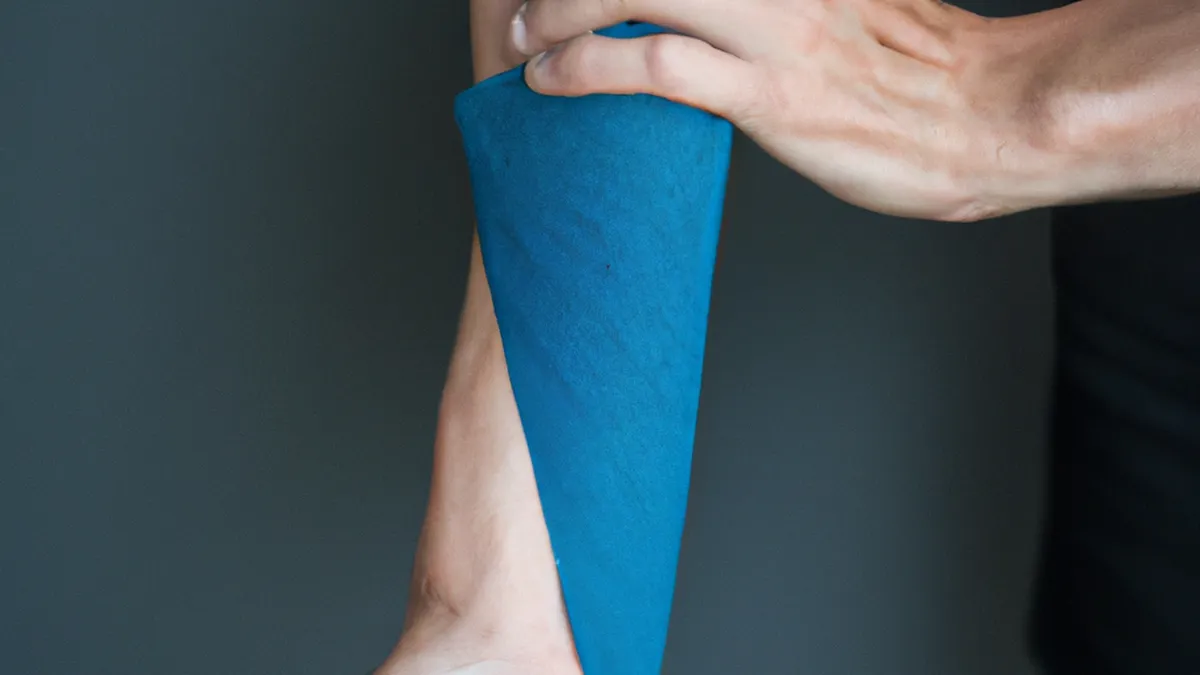
Bands That Heal: A Physical Therapy Guide
Resistance Bands for Rehabilitation: A Comprehensive GuideResistance bands help individuals regain strength, flexibility, and mobility after injuries or surgeries. Their lightweight nature makes them ideal for home therapy. Users can easily incorporate them into daily routines. This guide explores the benefits of resistance bands, tips for effective use, and advice for rehabilitation programs.
Why Choose Resistance Bands?
1. Versatility and Portability
Resistance bands offer versatility in various shapes, sizes, and resistance levels. They suit all fitness levels. Beginners and advanced users can find suitable bands. Their lightweight and compact design allows use anywhere—at home, in the gym, or while traveling.
2. Joint Stability and Flexibility
Resistance bands enhance joint stability and flexibility during rehabilitation. Unlike traditional weights, they provide controlled resistance without excessive strain. This tension helps individuals strengthen muscles safely while maintaining joint alignment. Resistance bands can prevent injuries and facilitate smoother recovery.
3. Gradual Progression
Resistance bands allow gradual increases in resistance, benefiting those recovering from surgery or injury. Users can start with lighter bands and transition to heavier ones as strength improves. This progression builds confidence and reduces re-injury risk.
4. Cost-Effectiveness
Resistance bands offer a cost-effective rehabilitation solution. Compared to gym memberships or expensive equipment, they remain relatively inexpensive. You can easily purchase a set for home use, maintaining your rehabilitation routine without overspending.
Tips for Using Resistance Bands Effectively
As an Amazon Associate I earn from qualifying purchases.
Gear tip: consider compression sleeves, compression socks, and ankle brace to support this topic.
1. Choose the Right Band
Select the appropriate resistance band for effective rehabilitation. Bands come in various colors, indicating different resistance levels. Beginners should start with lighter bands for proper form. Gradually progress to heavier bands as strength increases. Listen to your body to avoid pain.
2. Focus on Proper Form
Maintain proper form during exercises to avoid injury and maximize effectiveness. Pay attention to posture, alignment, and movement patterns. Engage your core and control your movements to target appropriate muscle groups. Consider working with a physical therapist for guidance.
3. Incorporate Variety into Your Routine
Add variety to your routine to keep workouts engaging and effective.
Conclusion
Resistance bands provide versatile, effective, and cost-efficient support for rehabilitation. They enhance strength, flexibility, and mobility, making them valuable tools in recovery.
Below are related products based on this post:
FAQ
What are resistance bands used for in rehabilitation?
Resistance bands are used to help individuals regain strength, flexibility, and mobility after injuries or surgeries. They provide controlled resistance, enhancing joint stability while minimizing strain on the body.
How do I choose the right resistance band?
To choose the right resistance band, select one that matches your current fitness level. Beginners should start with lighter bands to ensure proper form, and gradually progress to heavier bands as strength improves.
Are resistance bands cost-effective?
Yes, resistance bands are a cost-effective solution for rehabilitation compared to gym memberships or expensive equipment. They are relatively inexpensive and can be easily purchased for home use, making it convenient to maintain a rehabilitation routine.














Post Comment