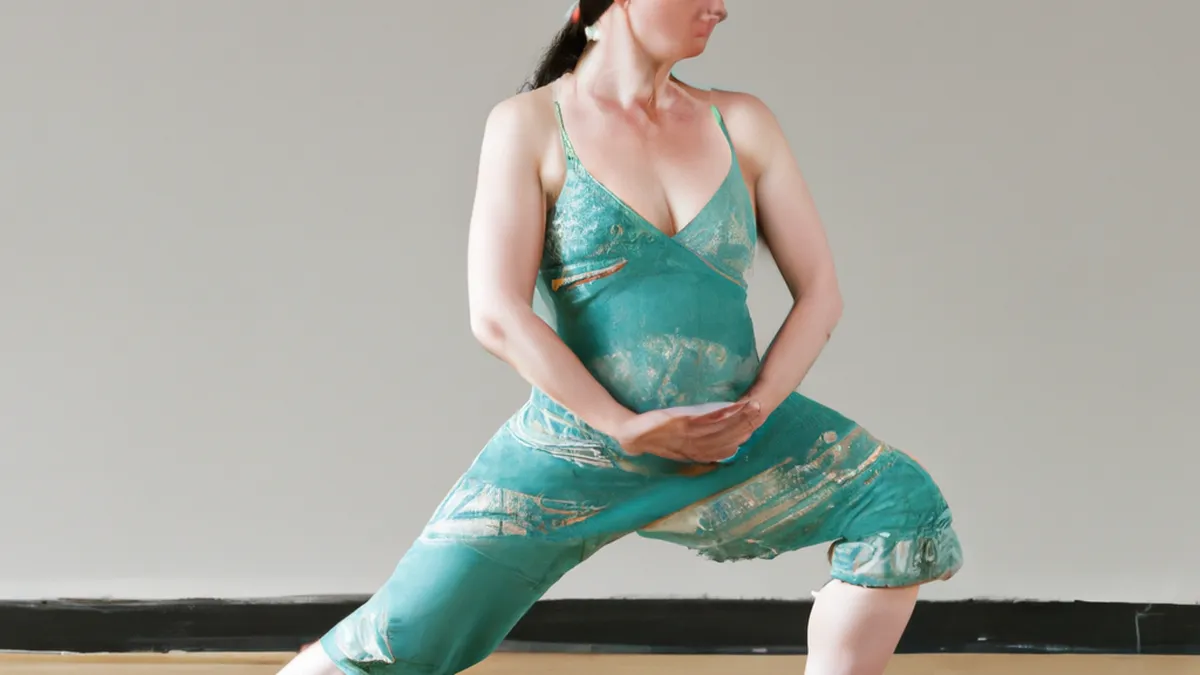
Yoga Poses to Enhance Your Flexibility
Stretching Protocols for Flexibility
Flexibility significantly impacts our health and fitness. Many people neglect stretching, focusing instead on strength training or cardio. Incorporating effective stretching protocols enhances flexibility, mobility, and physical performance. This blog post explores various stretching techniques, tips for effectiveness, and benefits of flexibility.
The Importance of Flexibility
Flexibility allows your joints and muscles to move through their full range of motion. It is essential for daily movements and athletic performance. Good flexibility improves posture, reduces muscle tension, and enhances physical function. Additionally, it boosts athletic performance, lowers injury risk, and aids recovery after workouts.
Types of Stretching
Understanding stretching types helps you tailor your routine to achieve flexibility goals.
Static Stretching
Static stretching involves holding a stretch for 15 to 60 seconds. This method lengthens muscles and improves flexibility. Perform static stretches after workouts to cool down and relax. Examples include:- **Hamstring Stretch:** Sit with one leg extended and the other bent. Reach for your toes and hold.- **Quadriceps Stretch:** Stand on one leg. Grab your opposite ankle and pull it toward your glutes.- **Shoulder Stretch:** Bring one arm across your body. Use the opposite arm to press it closer to your chest.
Dynamic Stretching
Dynamic stretching uses controlled movements to actively stretch muscles. It warms up the body before workouts and prepares muscles for activity. Examples include:- **Leg Swings:** Stand on one leg. Swing the opposite leg forward and backward.- **Arm Circles:** Extend your arms and make small circles, gradually increasing their size.- **Walking Lunges:** Step forward into a lunge, keeping your back leg straight, then switch legs.Dynamic stretching increases blood flow, enhances muscle elasticity, and improves performance.
Proprioceptive Neuromuscular Facilitation (PNF)
PNF stretching combines passive stretching and isometric contractions. This advanced technique often requires a partner. The process includes stretching the muscle, contracting against resistance, and relaxing to stretch further. PNF stretching can be more effective than static stretching. Follow this basic example:1. **Stretch Phase:** Have your partner stretch your leg while you relax.2. **Contract Phase:** Press against their resistance for 5–10 seconds.3. **Relax and Stretch Again:** After relaxing, stretch the muscle again.
Conclusion
As an Amazon Associate I earn from qualifying purchases.
Gear tip: consider yoga mat, compression sleeves, and compression socks to support this topic.
Incorporate various stretching techniques into your routine to enhance flexibility and overall performance. Prioritize flexibility for better health and fitness.
Below are related products based on this post:
FAQ
Why is flexibility important?
Flexibility allows your joints and muscles to move through their full range of motion, which is essential for daily movements and athletic performance. Improved flexibility enhances posture, reduces muscle tension, and boosts physical function, while also lowering injury risk and aiding recovery after workouts.
What are the different types of stretching?
The main types of stretching include static stretching, dynamic stretching, and proprioceptive neuromuscular facilitation (PNF). Static stretching involves holding a stretch, dynamic stretching uses controlled movements, and PNF combines passive stretching with isometric contractions for enhanced effectiveness.
How can I incorporate stretching into my routine?
Incorporating stretching into your routine can be done by performing static stretches after workouts to cool down and dynamic stretches before workouts to warm up. Additionally, PNF stretching can be included for advanced flexibility training, often with the help of a partner.














Post Comment