Use These Stats to Boost Your Fitness Journey
Metrics to Track Fitness ProgressTracking fitness progress helps you achieve your goals and stay motivated. It also allows for necessary adjustments along the way. Whether you aim to lose weight, build muscle, or improve endurance, understanding key metrics guides you. Let’s explore essential metrics for measuring your fitness journey effectively.
Body Measurements
Body measurements offer a simple way to track progress. They provide clear evidence of changes in your physique.
Weight
Many people first consider weight as a metric. However, weight does not tell the whole story. Various factors, like water retention and muscle gain, can cause fluctuations. Therefore, focus on weight trends over time instead of daily changes.
Circumference Measurements
Circumference measurements offer a holistic approach. Measure your waist, hips, chest, and arms. These numbers reveal changes in body fat and muscle mass. For example, a smaller waist size may indicate fat loss, even if your weight remains constant. Take these measurements every few weeks for accuracy.
Body Fat Percentage
Tracking body fat percentage provides insight into body composition. Many scales and fitness trackers estimate this percentage. A decrease in body fat percentage usually indicates effective fat loss. As you build muscle, this number may become more significant than your weight.
Performance Metrics
As an Amazon Associate I earn from qualifying purchases.
Gear tip: consider sleep mask, white noise machine, and blue light blocking glasses to support this topic.
Performance metrics focus on your physical abilities. They help you understand improvements in your fitness level over time.
Strength Levels
Track your strength levels if you lift weights. Monitor the weight you lift for different exercises. Keep a record of your personal bests. Increasing your lifts indicates muscle growth and strength gains.
Endurance
Endurance metrics are vital for cardio workouts. Track the distance you run, swim, or cycle over time. For example, if you run a mile faster than before, you show improvement. Monitor your heart rate during workouts as well. A lower heart rate at the same intensity indicates better cardiovascular fitness.
Flexibility
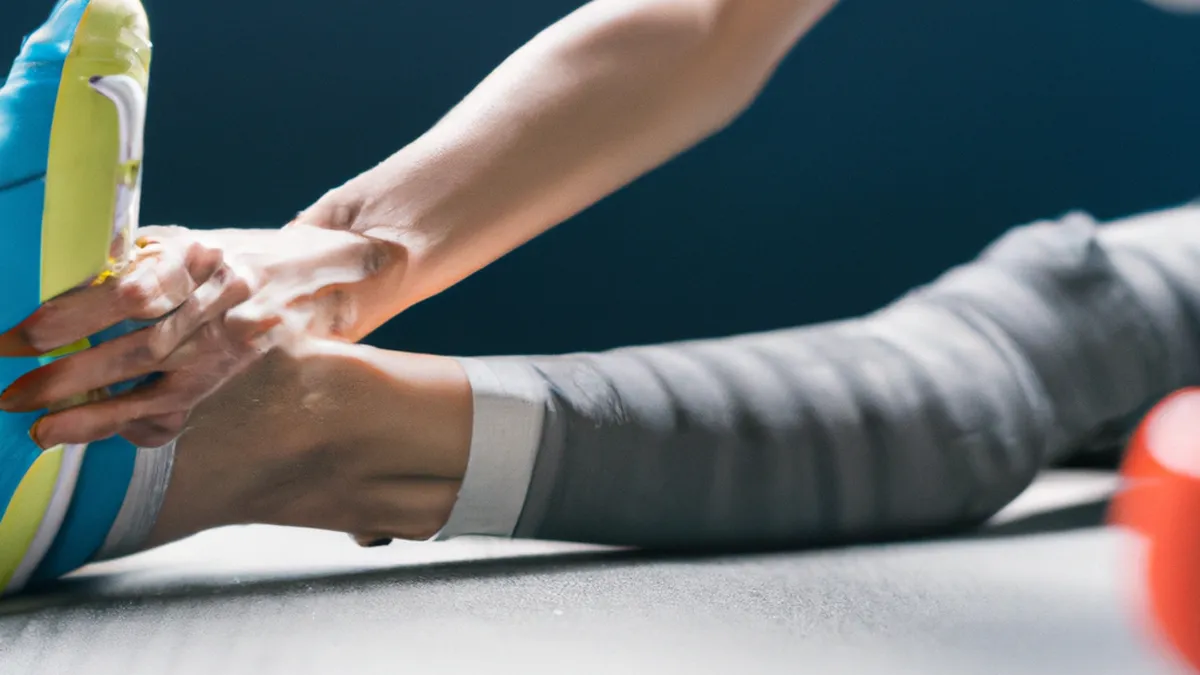
Flexibility is crucial for overall fitness. Track how far you can stretch or perform specific movements. Improved flexibility enhances performance in various exercises. Consider recording your progress in exercises like the sit-and-reach test.
Recovery Metrics
Recovery metrics help you understand how well your body recuperates. Monitoring recovery can prevent injuries and improve performance.
Sleep Quality
Sleep is essential for recovery. Track your sleep patterns and quality. Aim for 7-9 hours of restorative sleep each night. Poor sleep can hinder progress, so prioritize rest.
Heart Rate Variability (HRV)
Heart Rate Variability (HRV) measures the variation in time between heartbeats. Higher HRV indicates better recovery and lower stress levels. Use a fitness tracker or smartphone app to monitor your HRV over time. A consistent decrease in HRV may suggest you need more rest.
Perceived Exertion
Pay attention to how you feel during workouts. Use a scale from 1 to 10, where 1 is very easy and 10 is extremely hard. Tracking perceived exertion helps you gauge your fitness level. If workouts feel easier over time, you likely make progress.
Benefits of Tracking Progress
Tracking fitness metrics offers numerous benefits. First, it enhances accountability. When you track progress, you remain more committed.Second, it provides motivation. Seeing improvements boosts confidence and inspires you to push harder. Celebrate small victories along the way to enhance your overall experience.Lastly, tracking helps you make informed decisions. If you notice a plateau, adjust your workouts or nutrition. Understanding your metrics allows you to tailor your fitness plan to your specific needs.
Conclusion
Incorporating various metrics into your fitness routine significantly enhances your progress. Focus on body measurements, performance metrics, and recovery metrics for a comprehensive view of your fitness journey. Remember, consistency is key. Tracking your progress keeps you motivated and informed, leading you closer to your fitness goals. Grab a notebook or app and start monitoring your metrics today!
Below are related products based on this post:
FAQ
Why is tracking fitness progress important?
Tracking fitness progress is essential because it helps you achieve your goals and stay motivated. It allows for necessary adjustments along the way, ensuring that you remain focused on your fitness journey.
What body measurements should I track?
You should track various body measurements, including weight, circumference measurements of your waist, hips, chest, and arms, and body fat percentage. These metrics provide clear evidence of changes in your physique, even if your weight remains constant.
How can I monitor my recovery effectively?
To monitor your recovery effectively, focus on metrics like sleep quality, heart rate variability (HRV), and perceived exertion. Tracking these factors helps you understand how well your body recuperates and can prevent injuries while improving performance.













Post Comment