
Emergency Protocols for Broken Bones
Managing Fractures in the Field: A Comprehensive GuideAccidents can happen during outdoor adventures or remote work. Fractures represent one of the most critical injuries. Knowing how to manage fractures significantly impacts recovery. This guide covers recognizing fractures, assessing injuries, stabilizing limbs, managing pain, and seeking medical help.
Recognizing Fractures
Recognize fractures as the first step in management. Look for common indicators:- **Swelling**: Inflammation and fluid may cause swelling around the fracture.- **Bruising**: Discoloration indicates broken blood vessels.- **Deformity**: The limb may look misshapen or misaligned.- **Pain**: Severe pain often occurs, especially when moving the area.- **Inability to use the limb**: The person may struggle to put weight on the injured limb.Fractures fall into two main categories: **closed** and **open**. Closed fractures don’t break through the skin, while open fractures expose bone, increasing infection risk. Open fractures require immediate medical attention.Fractures can also be complete or incomplete. Complete fractures break the bone into two pieces. Incomplete fractures create cracks without fully separating the bone. Understanding these types helps in providing care.
Initial Assessment
As an Amazon Associate I earn from qualifying purchases.
Gear tip: consider sports first aid kit, kt tape, and blister pads to support this topic.
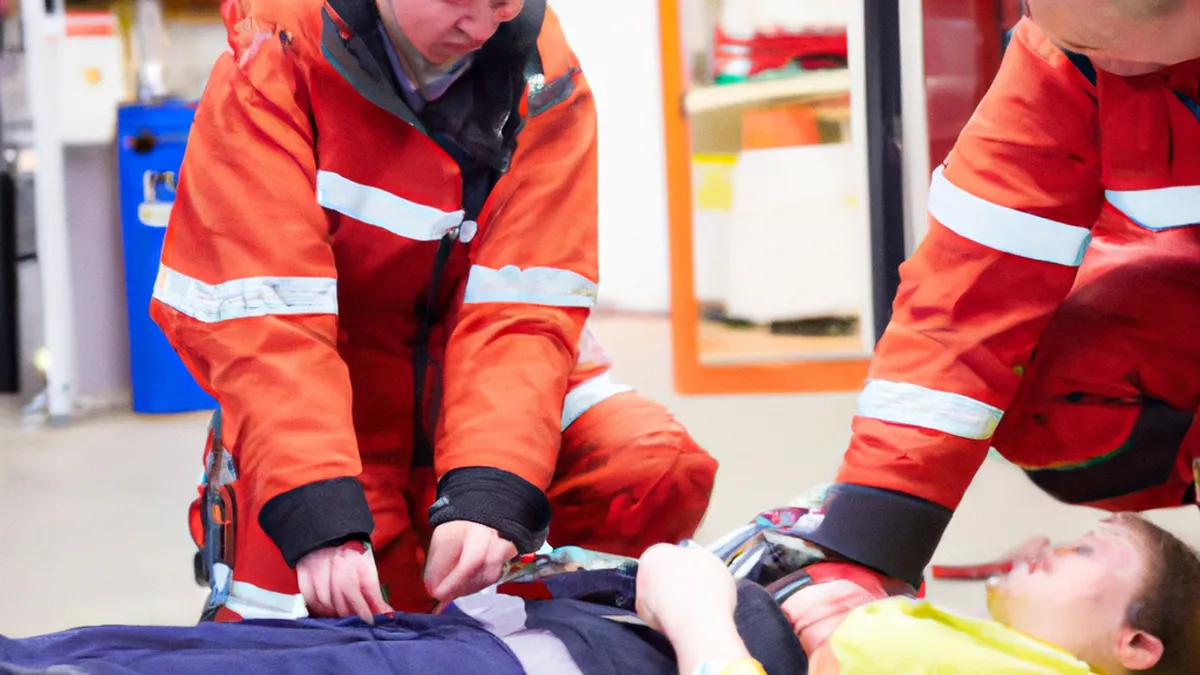
After suspecting a fracture, perform an initial assessment. Check vital signs, such as consciousness, breathing, and pulse. This assessment helps determine if the person requires professional medical assistance.
Stabilizing the Injury
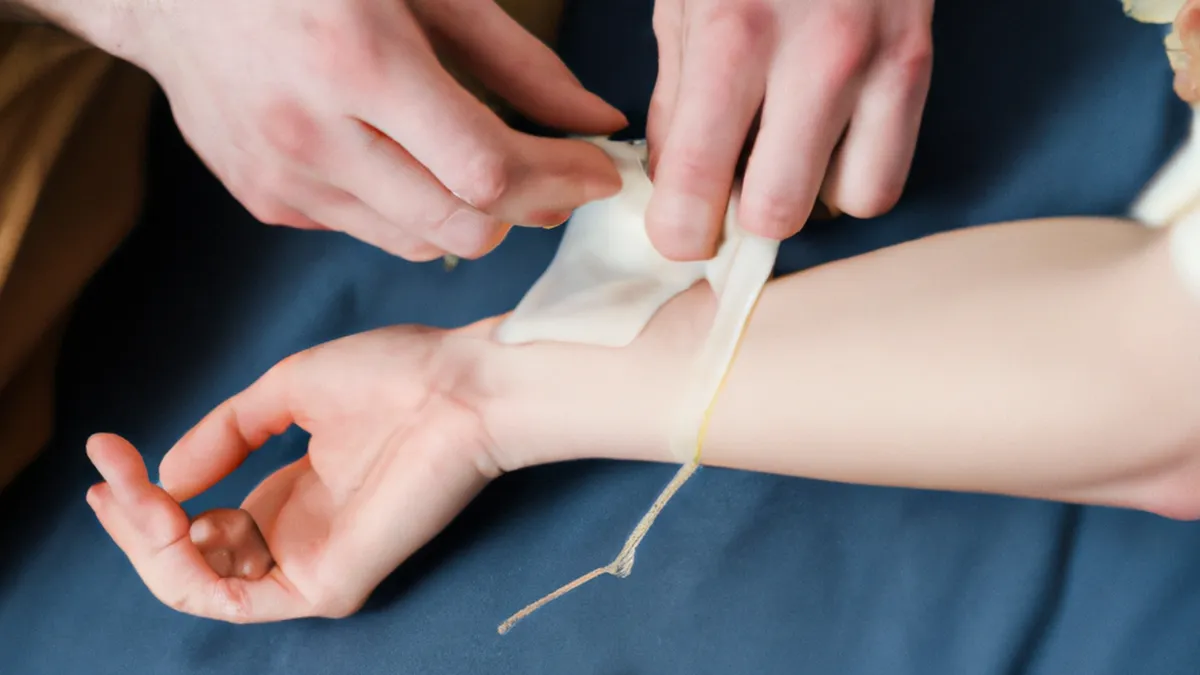
Stabilizing the injury prevents further harm. Immobilize the area with a splint. If you lack a commercial splint, improvise with sticks, rolled newspapers, or sturdy cardboard. Ensure the splint extends beyond the fracture site for adequate support.Pad the splint to prevent discomfort. Use cloth, clothing, or soft materials to cushion it against the skin. Secure the splint with tape or cloth, ensuring it fits snugly without cutting off circulation.
Conclusion
In summary, recognizing, assessing, and stabilizing fractures is crucial. Prepare for accidents during outdoor activities to improve outcomes.
Below are related products based on this post:
FAQ
How can I recognize a fracture?
Fractures can be recognized by several common indicators including swelling, bruising, deformity, severe pain, and an inability to use the limb. It is essential to identify these signs promptly to manage the injury effectively. There are two main types of fractures: closed and open, with open fractures requiring immediate medical attention due to the risk of infection.
What should I do after suspecting a fracture?
After suspecting a fracture, perform an initial assessment by checking vital signs such as consciousness, breathing, and pulse. This evaluation will help determine whether the injured person requires professional medical assistance and the urgency of the situation.
How do I stabilize a fractured limb in the field?
To stabilize a fractured limb, immobilize the area using a splint. If a commercial splint is unavailable, you can improvise with sticks or rolled newspapers. Ensure the splint is padded for comfort and secured snugly without cutting off circulation to prevent further harm.












Post Comment