
Fight Back: Effective Rehab Strategies
Rehabilitation Exercises for FightersFighters push their bodies to the limit in boxing, mixed martial arts, wrestling, and other combat sports. Intense training, rigorous sparring, and competition can cause injuries like sprains, strains, fractures, and tendonitis. To recover effectively and return stronger, fighters must engage in structured rehabilitation programs. This guide outlines essential rehabilitation exercises, tips for implementation, and the benefits of a dedicated rehab routine.
Understanding the Importance of Rehabilitation
Rehabilitation plays a crucial role for fighters. It helps them recover from injuries while regaining strength and flexibility. A well-structured rehab program prevents future injuries by addressing weaknesses or imbalances. Additionally, it promotes a holistic approach to recovery, focusing on physical and mental healing.Fighters often ignore rehabilitation in favor of training. They believe pushing through pain shows toughness. This mindset can lead to long-term issues, chronic pain, and declining performance. Understanding rehabilitation’s importance marks the first step toward successful recovery and a sustainable combat sports career.
Emphasizing Consistency
Consistency is vital in rehabilitation. Fighters must prioritize rehab routines just as they do training. Set aside specific time slots for rehabilitation exercises and treat them like training sessions. Regular practice builds strength, improves flexibility, and accelerates recovery. Remember, rehabilitation requires dedication and commitment over weeks or months, depending on the injury’s severity.
Listening to Your Body
Listening to your body during rehabilitation is critical. Pain signals something is wrong; do not ignore it. If an exercise causes discomfort, stop immediately and reassess. Consult a healthcare professional, such as a physical therapist, for guidance. Adjust your exercises based on your body’s feedback to avoid further injury and promote healing.
Essential Rehabilitation Exercises for Fighters
As an Amazon Associate I earn from qualifying purchases.
Gear tip: consider stretching strap, yoga blocks, and mobility sliders to support this topic.
Incorporate these rehabilitation exercises into your routine. They target strength, flexibility, and stability, crucial for fighters.
1. Stretching Exercises
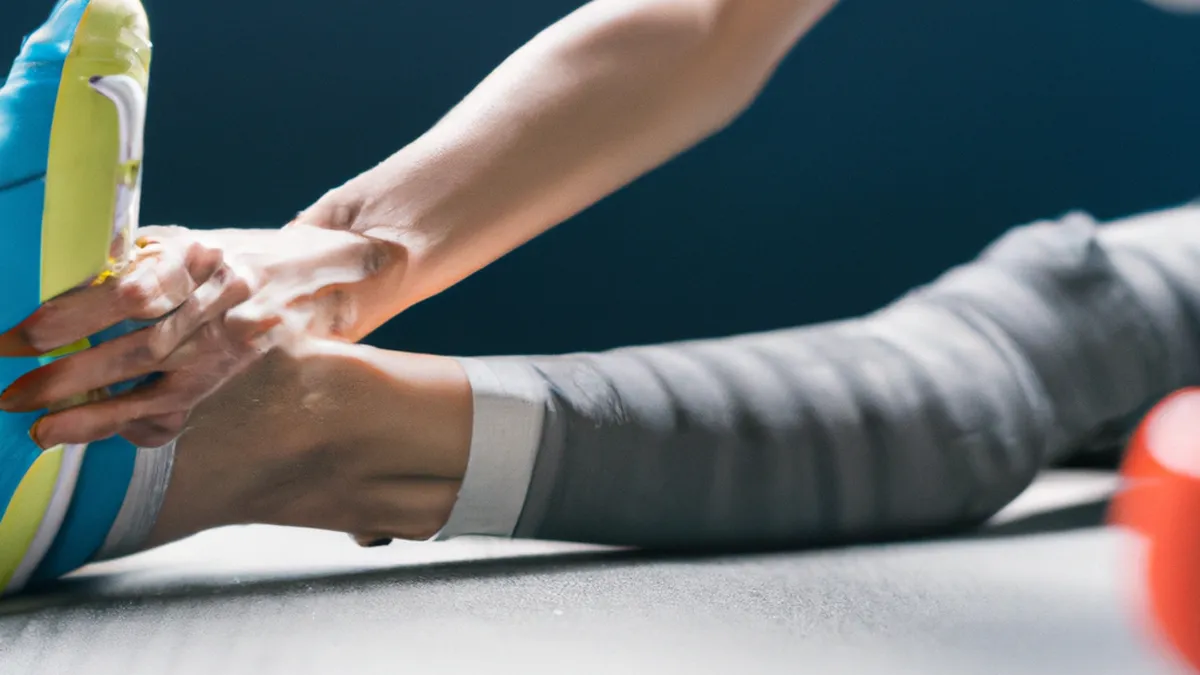
Stretching remains vital for fighters recovering from injuries. It enhances flexibility, reduces muscle tension, and increases blood flow, promoting healing. Start with gentle stretches for the injured area and gradually increase intensity as recovery progresses. Here are a few effective stretches:- **Hamstring Stretch**: While seated, extend one leg out and reach toward your toes. Hold for 15-30 seconds, then switch legs.- **Quadriceps Stretch**: Stand on one leg, grab the opposite ankle, and pull it toward your glutes. Hold for 15-30 seconds and switch sides.- **Shoulder Stretch**:
Conclusion
Rehabilitation exercises are essential for fighters to recover effectively. Prioritize consistency, listen to your body, and incorporate stretches into your routine.
Below are related products based on this post:
FAQ
Why is rehabilitation important for fighters?
Rehabilitation is crucial for fighters as it aids in recovering from injuries while restoring strength and flexibility. A well-structured rehab program not only helps prevent future injuries by addressing weaknesses but also promotes a holistic approach to recovery, focusing on both physical and mental healing.
How can fighters ensure consistency in their rehabilitation routines?
Fighters can ensure consistency by prioritizing their rehab routines just as they would their training sessions. Setting aside specific time slots for rehabilitation exercises and treating them with the same dedication fosters regular practice, which is essential for building strength, improving flexibility, and accelerating recovery.
What should fighters do if they experience pain during rehabilitation exercises?
If fighters experience pain during rehabilitation exercises, it is important to stop immediately and reassess the situation. Consulting a healthcare professional, such as a physical therapist, can provide guidance, and adjusting exercises based on the body’s feedback is crucial to avoid further injury and promote effective healing.













Post Comment