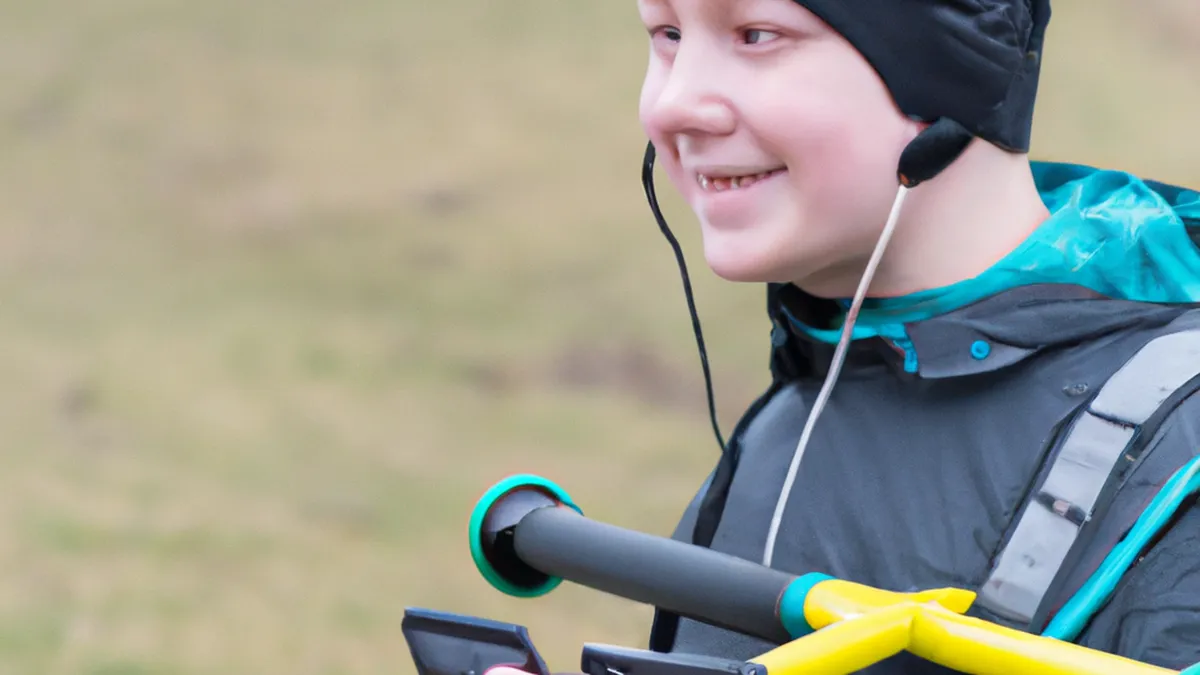
GPS: A Game Changer for Youth Development
GPS Use for Youth Athlete DevelopmentToday, technology significantly enhances sports and athletic training. Coaches and athletes benefit greatly from Global Positioning System (GPS) tracking technology. GPS helps youth athletes improve training, enhance performance, and lower injury risks. Let’s explore GPS technology’s role in youth athlete development, practical applications, best implementation practices, and its benefits.
Understanding GPS Technology
GPS technology works through satellites that communicate with devices to locate athletes accurately. This technology provides real-time data on speed, distance, and movement patterns. Youth athletes find this information invaluable for performance analysis and identifying improvement areas.Advanced GPS devices track additional metrics like heart rate, acceleration, and deceleration rates. This comprehensive data helps tailor training programs to meet individual athlete needs, ensuring effective and safe training.
Key Features of GPS Technology
1. **Real-Time Tracking**: Coaches monitor athletes’ movements during practices and games, gaining immediate performance insights.2. **Data Analysis**: GPS devices often include software for detailed data analysis. This feature allows coaches to evaluate trends and make informed decisions.3. **Load Monitoring**: Tracking physical load prevents overtraining and injury. Coaches can adjust training intensity based on collected data.
Tips for Implementing GPS in Training
As an Amazon Associate I earn from qualifying purchases.
Gear tip: consider multisport smartwatch, power meter, and cadence sensor to support this topic.
1. Choose the Right GPS Device
Select the appropriate GPS device for effective implementation. Look for devices designed for youth athletes, focusing on durability, comfort, and battery life. Some devices suit team sports, while others fit individual sports, so choose according to your needs.
2. Educate Coaches and Athletes
Ensure coaches and athletes understand GPS technology effectively. Conduct training sessions to demonstrate device operation and data interpretation. When athletes understand the technology and its benefits, they engage with it meaningfully.
3. Set Clear Goals
Establish specific, measurable objectives before integrating GPS into training. Define which metrics to track, such as speed, endurance, or tactical movement. Clear goals create a framework for coaches and athletes, simplifying progress measurement and training adjustments.
4. Regularly Review Data
Schedule regular meetings to analyze GPS data with athletes. Discuss performance trends, strengths, and improvement areas. This practice fosters communication and encourages athletes to take ownership of their development.
Best Practices for Youth Athletes
Focus on Consistency
Consistency is vital in youth athlete development. Encourage athletes to use GPS devices during training.
Conclusion
GPS technology enhances training and performance for youth athletes, fostering their overall development and safety.
Below are related products based on this post:
FAQ
How does GPS technology benefit youth athletes?
GPS technology provides real-time data on speed, distance, and movement patterns, which is invaluable for performance analysis. It helps athletes identify areas for improvement and enhances their training efficiency while lowering injury risks.
What should coaches consider when choosing a GPS device?
Coaches should select a GPS device that is durable, comfortable, and has a good battery life, specifically designed for youth athletes. It’s also important to consider whether the device is suitable for team sports or individual sports based on their specific needs.
Why is it important to educate coaches and athletes about GPS technology?
Educating coaches and athletes about GPS technology ensures they can operate the devices and interpret data effectively. This understanding fosters meaningful engagement with the technology, leading to better training outcomes and athlete development.












Post Comment