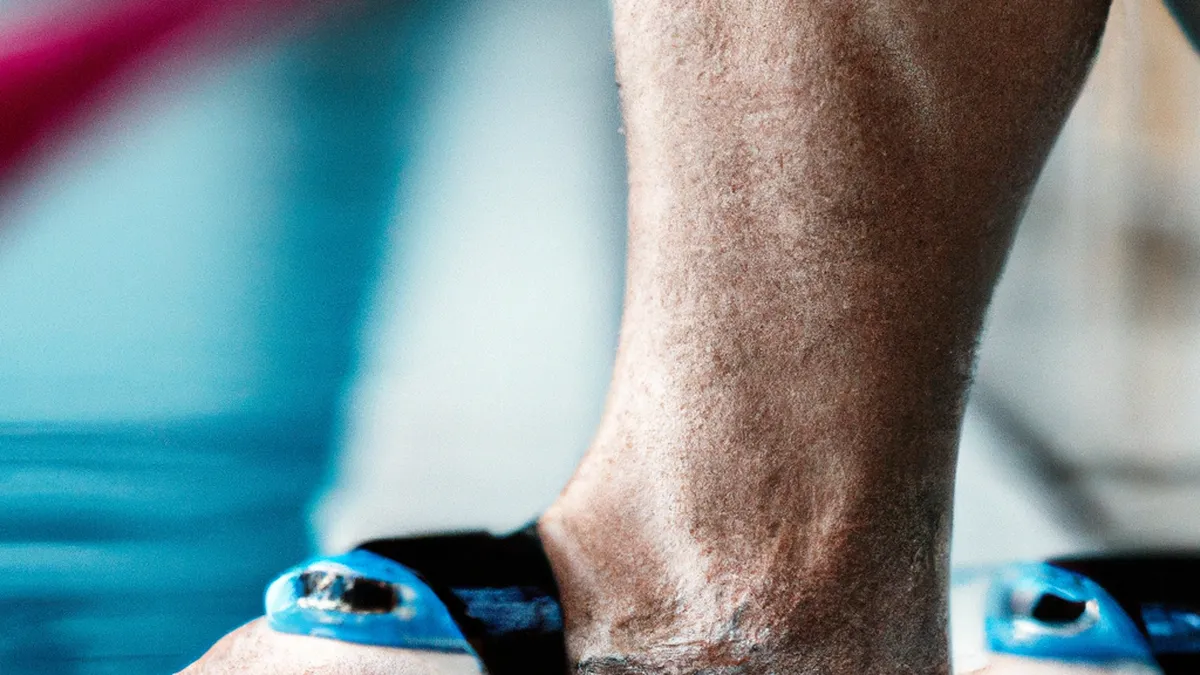
Hike Your Way to Stronger Knees
Recreational Activities for Knee StrengthStrong knees enhance mobility and health. They support your body during daily activities and prevent injuries as we age. Engaging in recreational activities boosts knee strength while providing enjoyment. This post explores activities that enhance knee strength, their benefits, and how to incorporate them safely.
Understanding Knee Anatomy
Understanding knee anatomy helps you choose effective activities. The knee is a complex joint made of bones, cartilage, ligaments, and tendons. Key components include:- **Bones**: The femur, tibia, and patella form the knee joint.- **Cartilage**: This smooth tissue cushions the joint for smooth movement.- **Ligaments**: These tissues stabilize the knee and connect bones.- **Muscles**: Quadriceps and hamstrings drive knee movement and strength.Strengthening muscles around the knee maintains joint stability and function.
Tips for Strengthening Your Knees
As an Amazon Associate I earn from qualifying purchases.
Gear tip: consider swim goggles, swim cap, and kickboard to support this topic.
Incorporate specific activities to improve knee strength. Here are effective options:
1. Swimming
Swimming provides low-impact exercise that’s easy on joints. It builds muscle strength without stressing knees. Water buoyancy reduces weight on joints, allowing safe movement. Swimming engages multiple muscle groups, especially in the legs and core. Different strokes offer varied resistance and target knees at different angles.
2. Cycling
Cycling strengthens quadriceps, hamstrings, and calves effectively. It enhances knee stability and flexibility, crucial for joint health. You can cycle outdoors or use a stationary bike indoors. Adjust resistance levels according to your fitness level. Start with low resistance to protect your knees, then gradually increase as strength builds. Cycling builds muscle and boosts cardiovascular endurance.
3. Hiking
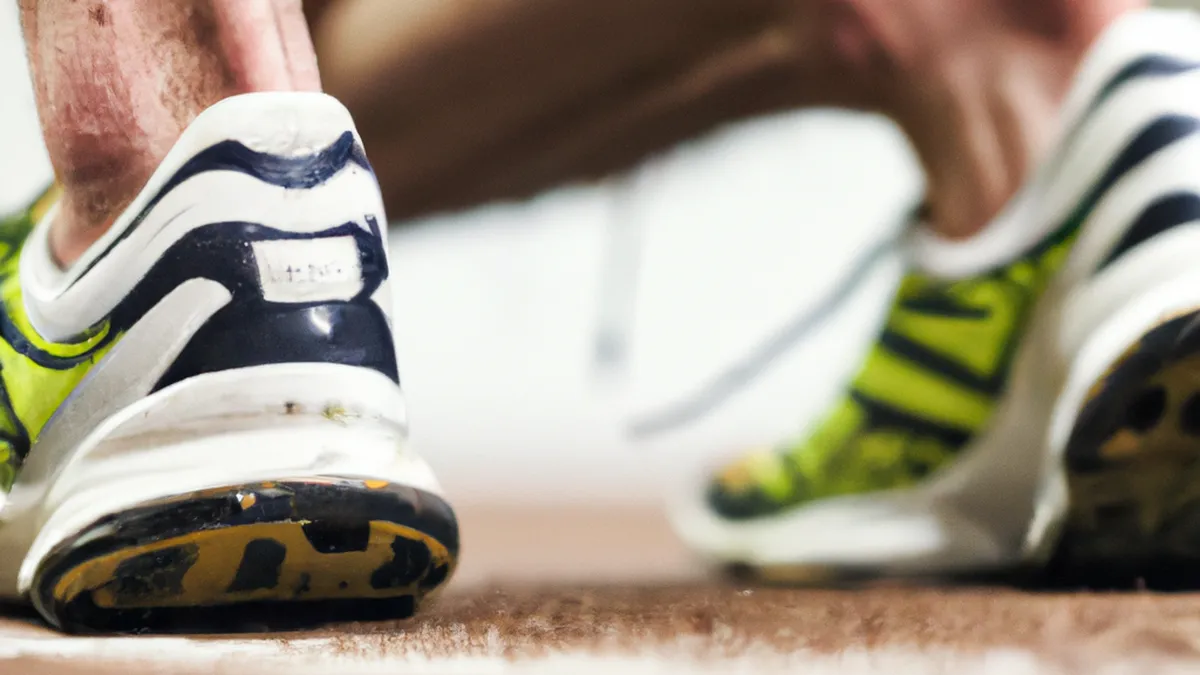
Hiking combines strength training and cardio. It engages muscles around the knees while improving balance. Choose trails with different elevations to challenge yourself. Uphill climbs strengthen quadriceps and glutes, while downhill descents engage hamstrings and calves. Wear supportive shoes to minimize knee impact, and consider trekking poles for stability.
4. Yoga
Yoga strengthens knees while improving flexibility and balance. Poses like Warrior I, Warrior II, Chair Pose, and Bridge Pose target knee muscles. Yoga also enhances body awareness, helping you understand your movements.
Conclusion
Engaging in recreational activities strengthens your knees and enhances overall health. Prioritize activities like swimming, cycling, hiking, and yoga for effective knee strengthening.
Below are related products based on this post:
FAQ
What are the benefits of strengthening knees through recreational activities?
Strengthening knees through recreational activities enhances mobility and health. It supports the body during daily activities and helps prevent injuries as we age. Engaging in these activities not only improves knee strength but also provides enjoyment and promotes overall well-being.
Which recreational activities are most effective for knee strength?
Effective recreational activities for knee strength include swimming, cycling, hiking, and yoga. Swimming offers low-impact exercise, cycling strengthens key muscle groups, hiking combines strength training and cardio, and yoga improves flexibility and balance. Each activity targets different aspects of knee strength and stability.
How can I safely incorporate these activities into my routine?
To safely incorporate these activities, start gradually and listen to your body. For swimming and cycling, begin with low resistance and progress as your strength builds. When hiking, choose suitable trails and wear supportive shoes. In yoga, focus on proper form and consider modifications for poses that challenge your knees.













Post Comment