
Guard Your Knees During Sports
Positioning to Avoid Knee Injuries: A Comprehensive GuideKnee injuries disrupt your life and limit your activities. They often arise from improper positioning during physical activities. Correct positioning can significantly lower your risk of knee injuries. This blog explores effective strategies for maintaining proper alignment and technique.
Understanding Knee Anatomy
To prevent injuries, understand how your knees work. The knee joint connects your thigh bone (femur) to your shin bone (tibia). Ligaments like the anterior cruciate ligament (ACL) and posterior cruciate ligament (PCL) provide stability. Surrounding muscles, including quadriceps, hamstrings, and calves, enhance knee stability and strength.When the knee joint functions well, it enables smooth movement during walking, running, and jumping. However, improper positioning and excessive force can cause ligament tears, tendonitis, and cartilage damage.
Tips for Proper Positioning
As an Amazon Associate I earn from qualifying purchases.
Gear tip: consider balance board, running shoes, and gps running watch to support this topic.
Maintain a Strong Base
Creating a strong base stabilizes your movements. Stand with your feet shoulder-width apart for even weight distribution. This position reduces the risk of twisting your knees during activities.In exercises like squats or deadlifts, ensure your knees do not extend past your toes. This technique minimizes stress on your knee joints and maintains proper alignment. Distribute your weight evenly across your feet, keeping your heels grounded.
Use Correct Footwear
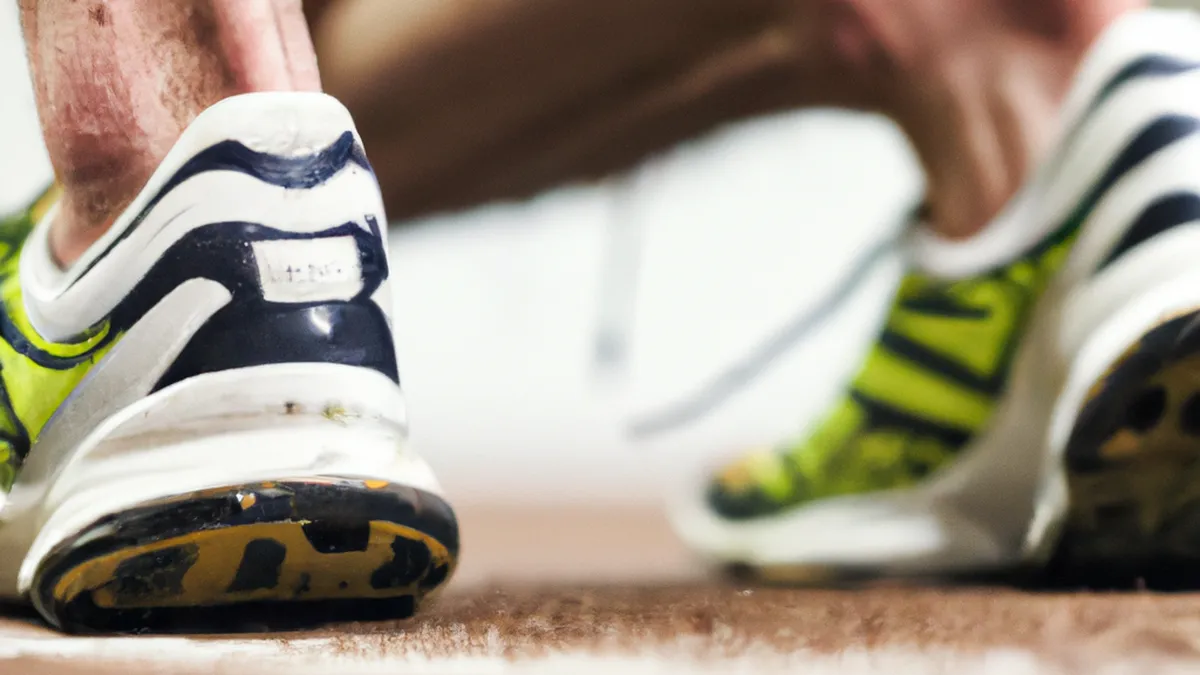
Choosing the right shoes greatly impacts knee health. Proper footwear should provide adequate arch support and cushioning. This support aligns your knees correctly and reduces injury risk. For running, select shoes designed for your foot type and running style.Worn-out shoes compromise stability and lead to misalignment. Regularly inspect your shoes for wear and replace them to ensure optimal support.
Focus on Your Form
Proper form is crucial in all physical activities. Whether running, jumping, or lifting weights, pay attention to your technique. Keep your knees aligned with your toes during each movement. While running, avoid allowing your knees to move excessively inward or outward to prevent strain and injuries.Strengthening your core muscles also supports knee stability. A strong core helps control your movements and reduces injury risk.
Incorporating Strength Training
Strengthen Key Muscles
Strength training is vital for maintaining knee health. Focus on strengthening key muscle groups, including quadriceps, hamstrings, and glutes.
Conclusion
In summary, understanding knee anatomy, maintaining proper positioning, wearing correct footwear, and focusing on form can help prevent knee injuries.
Below are related products based on this post:
FAQ
What are common causes of knee injuries?
Knee injuries often arise from improper positioning during physical activities. Excessive force and poor alignment can lead to ligament tears, tendonitis, and cartilage damage.
How can I maintain proper positioning to avoid knee injuries?
Maintaining a strong base by standing with feet shoulder-width apart helps stabilize movements. Additionally, ensuring that knees do not extend past toes during exercises like squats can minimize stress on the knee joints.
Why is footwear important for knee health?
Choosing the right footwear provides adequate arch support and cushioning, which helps align the knees correctly. Worn-out shoes can compromise stability and lead to misalignment, increasing the risk of injuries.











Post Comment