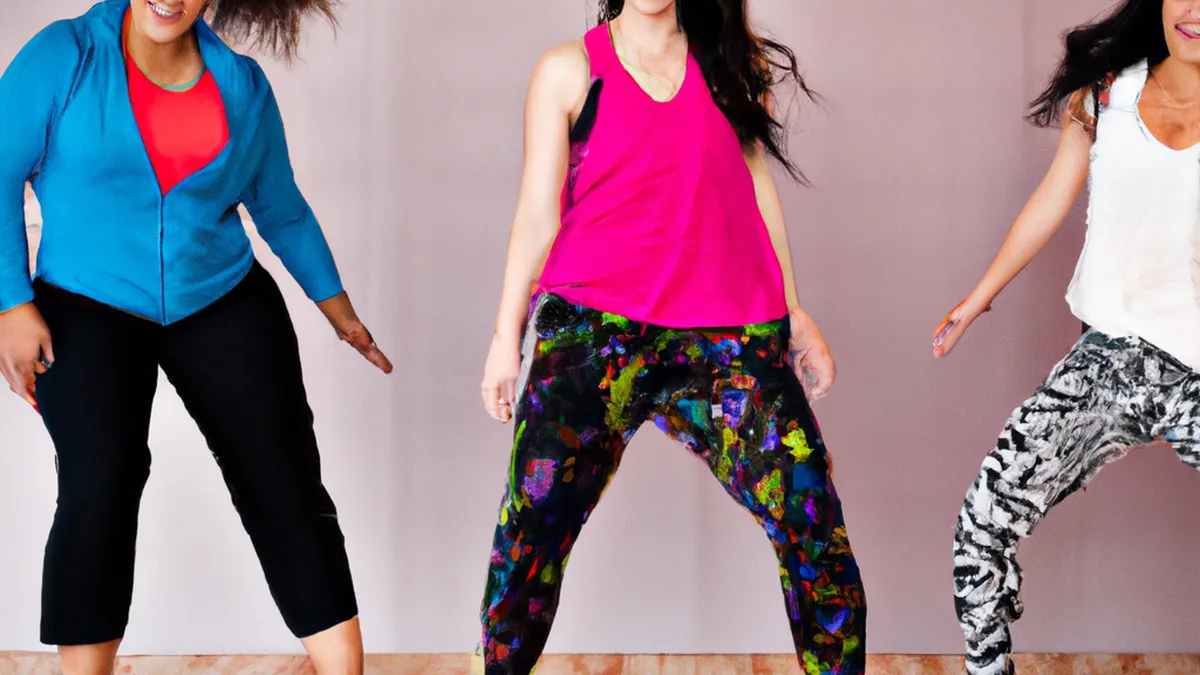
Techniques to Foam Roll for Dance Success
Foam Rolling Techniques for DancersDancers engage in rigorous routines that strain their muscles and joints. They leap, twist, and turn, requiring effective recovery techniques. Foam rolling serves as one of the best methods for muscle recovery. It relieves tension, improves flexibility, and enhances performance. This post explores foam rolling techniques for dancers, including its science, specific methods, and tips for optimal results.
Why Foam Rolling?
Foam rolling provides self-myofascial release (SMR). It targets tight muscles and fascia, improving movement. Fascia surrounds muscles and organs as a thin connective tissue layer. Tight fascia causes discomfort, decreased mobility, and injuries. Foam rollers help dancers alleviate soreness and enhance their range of motion.Research shows that foam rolling increases blood flow and circulation, leading to faster recovery. It reduces muscle soreness after exercise, allowing dancers to prepare for their next performance sooner. Regular foam rolling prevents injuries by maintaining muscle elasticity and promoting better alignment, essential for dancers.
Choosing the Right Foam Roller
As an Amazon Associate I earn from qualifying purchases.
Gear tip: consider foam roller, massage gun, and lacrosse ball to support this topic.
Not all foam rollers work the same way. Choosing the right one impacts your experience and effectiveness. Consider these factors:- **Density**: Beginners should use softer foam rollers for gentle pressure. Experienced users may prefer firmer rollers for deeper muscle release. Start with a medium-density roller and adjust based on comfort.- **Texture**: Some foam rollers feature smooth surfaces, while others have ridges or bumps. Textured rollers provide more intense massages, effectively targeting muscle knots. Beginners may benefit from starting with a smooth roller.- **Size and Shape**: Standard foam rollers measure 36 inches long. Shorter rollers work better for specific areas like the upper back or calves. Some unique-shaped rollers target specific muscle groups effectively.
Key Muscle Groups to Target
Dancers rely on specific muscle groups. Focus on areas that experience the most tension. Target these key muscle groups during foam rolling:- **Hamstrings**: These muscles are vital for jumps and kicks. Foam rolling alleviates tightness and improves flexibility.- **Quadriceps**: The quads engage heavily during dance movements. Tight quads can lead to discomfort and reduced motion.- **Calves**: Flexible calves enable proper footwork. Foam rolling prevents cramping and tightness.
Conclusion
Foam rolling offers dancers essential recovery benefits. It enhances flexibility, reduces soreness, and prevents injuries. Incorporate these techniques into your routine for optimal performance.
Below are related products based on this post:
FAQ
What is foam rolling and why is it beneficial for dancers?
Foam rolling is a self-myofascial release technique that targets tight muscles and fascia, improving movement and flexibility. For dancers, it helps relieve muscle tension, enhances performance, and speeds up recovery after rigorous routines.
How do I choose the right foam roller?
When choosing a foam roller, consider factors like density, texture, size, and shape. Beginners should opt for softer rollers, while more experienced users may prefer firmer options. Textured rollers provide intense massages, and the size can vary based on the muscle groups you want to target.
Which muscle groups should dancers focus on when foam rolling?
Dancers should focus on key muscle groups such as the hamstrings, quadriceps, and calves. These areas often experience the most tension during dance movements, and foam rolling can alleviate tightness, improve flexibility, and prevent injuries.














Post Comment