
Non-Verbal Cues Every Coach Should Know
Communication Strategies for CoachesCoaches need effective communication to build trust, foster teamwork, and enhance performance. Mastering communication helps coaches inspire athletes and create a positive environment. This blog post highlights strategies to improve communication, enabling coaches and athletes to thrive.
Understanding Your Audience
Effective communication starts with understanding your audience. Each athlete has unique backgrounds, motivations, and learning styles. Coaches must learn about their athletes’ individual needs to connect effectively.
Observe Body Language
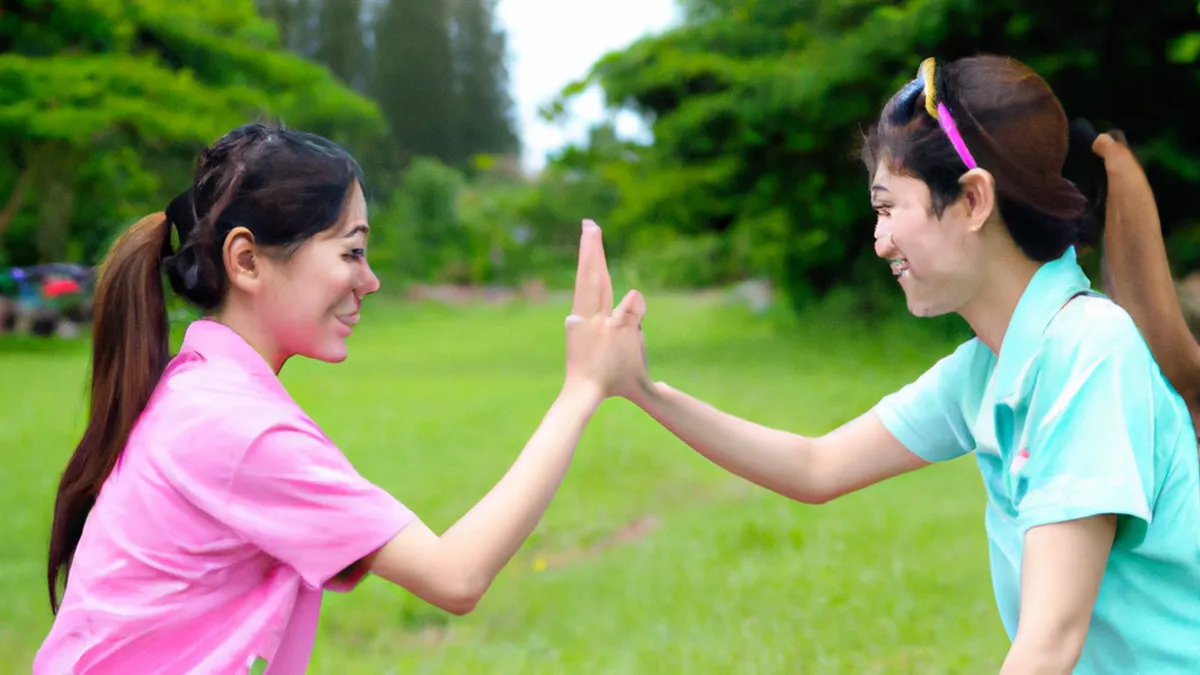
Body language reveals athletes’ feelings and attitudes. Coaches should observe posture, facial expressions, and gestures during practices and competitions. If an athlete appears tense or disengaged, they may need reassurance or a different approach. Coaches can adjust their communication style based on these non-verbal cues.
Ask Open-Ended Questions
Open-ended questions promote dialogue and engagement. Instead of asking, “Did you enjoy practice?” ask, “What did you enjoy most about practice today?” This approach encourages athletes to share their thoughts and feelings, fostering collaboration. It also shows that coaches value athletes’ opinions, increasing motivation and commitment.
Clarity in Communication
As an Amazon Associate I earn from qualifying purchases.
Gear tip: consider phone tripod, lapel microphone, and whiteboard to support this topic.
Clarity is crucial in coaching. Vague instructions lead to confusion and frustration. Coaches must communicate expectations clearly and concisely to ensure understanding.
Use Simple Language
Avoid jargon and complex terminology that may confuse athletes. Use straightforward language instead. For example, say, “Focus on your foot placement,” instead of using technical terms. This clarity helps athletes understand tasks and reduces misunderstandings.
Repeat Key Messages
Repetition reinforces essential concepts and skills. Coaches should emphasize specific skills or tactics throughout practice. For instance, consistently remind your team about defensive positioning during drills. This approach solidifies understanding and builds muscle memory, crucial for performance.
Building Relationships
Strong relationships between coaches and athletes form the foundation for effective coaching. When athletes trust their coach, they engage and perform better.
Show Genuine Interest
Get to know your athletes beyond their athletic abilities. Ask about their lives outside sports, including interests and hobbies. Showing genuine interest fosters trust and makes athletes feel valued. When athletes know their coach cares, they respond positively to feedback and stay motivated.
Provide Positive Feedback
Offer constructive feedback that highlights strengths and areas for improvement. This approach encourages athletes and reinforces their confidence.
Conclusion
Effective communication strategies enhance coaching relationships and athlete performance. Coaches can build trust, clarity, and engagement through these methods.
Below are related products based on this post:
FAQ
Why is effective communication important for coaches?
Effective communication is essential for coaches as it builds trust, fosters teamwork, and enhances athlete performance. By mastering communication, coaches can inspire their athletes and create a positive environment that promotes growth and collaboration.
How can coaches understand their athletes better?
Coaches can understand their athletes better by recognizing their unique backgrounds, motivations, and learning styles. This understanding allows coaches to connect effectively and tailor their communication to meet the individual needs of each athlete.
What role does body language play in coaching communication?
Body language is a critical component of communication as it reveals athletes’ feelings and attitudes. Coaches should observe non-verbal cues like posture and facial expressions to adjust their communication style and provide appropriate support when athletes appear tense or disengaged.













Post Comment