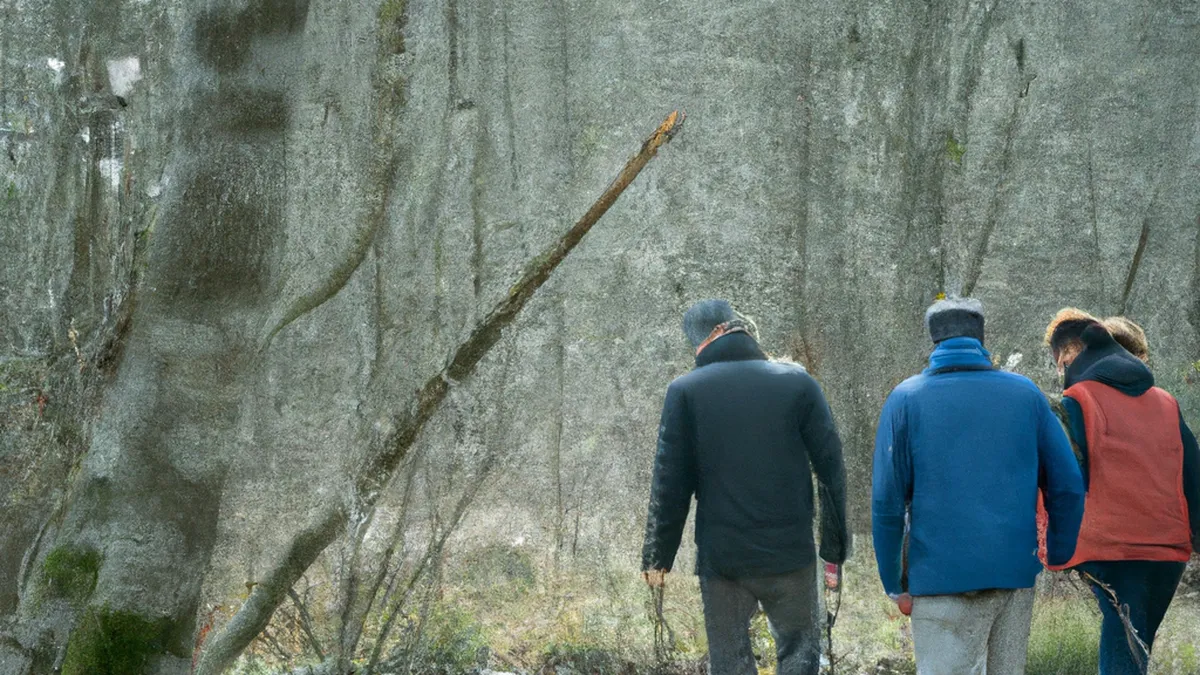
Outdoor Sports: Navigate Diverse Climates
Adapting Training for Different ClimatesOutdoor training can be rewarding, but climate affects workout effectiveness and safety. Adjust your training program for summer heat, winter cold, or unpredictable spring and fall conditions. This blog post offers practical tips to keep you safe and effective in your fitness journey.
Understanding Climate Challenges
Each climate presents unique challenges that impact your training. Recognizing these challenges helps you adapt effectively.
Hot Weather Training
High temperatures can strain your body. Heat exposure increases sweating, leading to dehydration without proper fluid intake. Heat exhaustion and heat stroke pose serious risks if you neglect precautions.
Cold Weather Training
Cold weather also presents challenges. Low temperatures can cause muscle stiffness and increase injury risks. Hypothermia occurs when your body loses heat faster than it generates it. Frostbite risks rise for unprotected extremities.
Humidity and Rain
Humidity makes workouts tougher, hindering your body’s cooling through sweating. Combined with high temperatures, humidity can cause overheating. Rain creates slippery conditions and discomfort during outdoor training. Adapt your training to these elements for safety and performance.
Tips for Training in Hot Weather
As an Amazon Associate I earn from qualifying purchases.
Gear tip: consider electrolyte mix, soft flask, and hydration tablets to support this topic.
Hot conditions require specific adjustments for safety and effectiveness. Here are some strategies:1. **Hydration is Key**: Stay hydrated before, during, and after workouts. Drink plenty of water and consider electrolyte drinks for long sessions.2. **Adjust Your Schedule**: Train early in the morning or later in the evening when temperatures are cooler. This makes workouts more enjoyable.3. **Wear Lightweight Clothing**: Choose breathable fabrics that wick moisture. Light colors reflect sunlight and help keep you cooler. Avoid heavy, dark clothing that traps heat.4. **Listen to Your Body**: Watch for heat exhaustion signs like dizziness, nausea, or excessive fatigue. Stop your workout, find a cooler area, and hydrate if you notice symptoms.5. **Acclimatize Gradually**: Allow your body time to adjust to heat. Start with shorter sessions and increase intensity and duration as you acclimate.
Tips for Training in Cold Weather
Training in cold can invigorate you if done correctly. Here’s how to stay safe and effective:1. **Dress in Layers**: Wear multiple layers to trap heat and wick moisture. Adjust layers based on your activity intensity.2. **Warm Up Properly**: Spend extra time warming up to reduce injury risks. Focus on dynamic stretches and movements.3. **Protect Extremities**: Wear gloves and hats to guard against cold. Insulated socks help keep your feet warm.4. **Choose Safe Surfaces**: Avoid icy or snowy areas to prevent slips and falls. Opt for cleared paths or indoor options.5. **Stay Mindful of Weather**: Check forecasts and avoid training in severe conditions. Listen to warnings for extreme cold or storms.
Conclusion
Understanding climate challenges helps you adapt your training effectively. Use these tips to ensure safety and performance in any weather.
Below are related products based on this post:
FAQ
What are the main challenges of training in hot weather?
Training in hot weather can lead to dehydration due to increased sweating and the risk of heat exhaustion or heat stroke if precautions are not taken. It’s important to stay hydrated, adjust training schedules, and listen to your body’s signals to ensure safety.
How can I safely train in cold weather?
To train safely in cold weather, dress in layers to trap heat and wick moisture, and spend extra time warming up to reduce injury risks. Protect your extremities with gloves and hats, and choose safe surfaces to avoid slips and falls.
What should I do if I experience signs of heat exhaustion?
If you notice signs of heat exhaustion such as dizziness, nausea, or excessive fatigue, it’s crucial to stop your workout immediately. Find a cooler area, hydrate, and rest until you feel better to prevent more serious health issues.












Post Comment