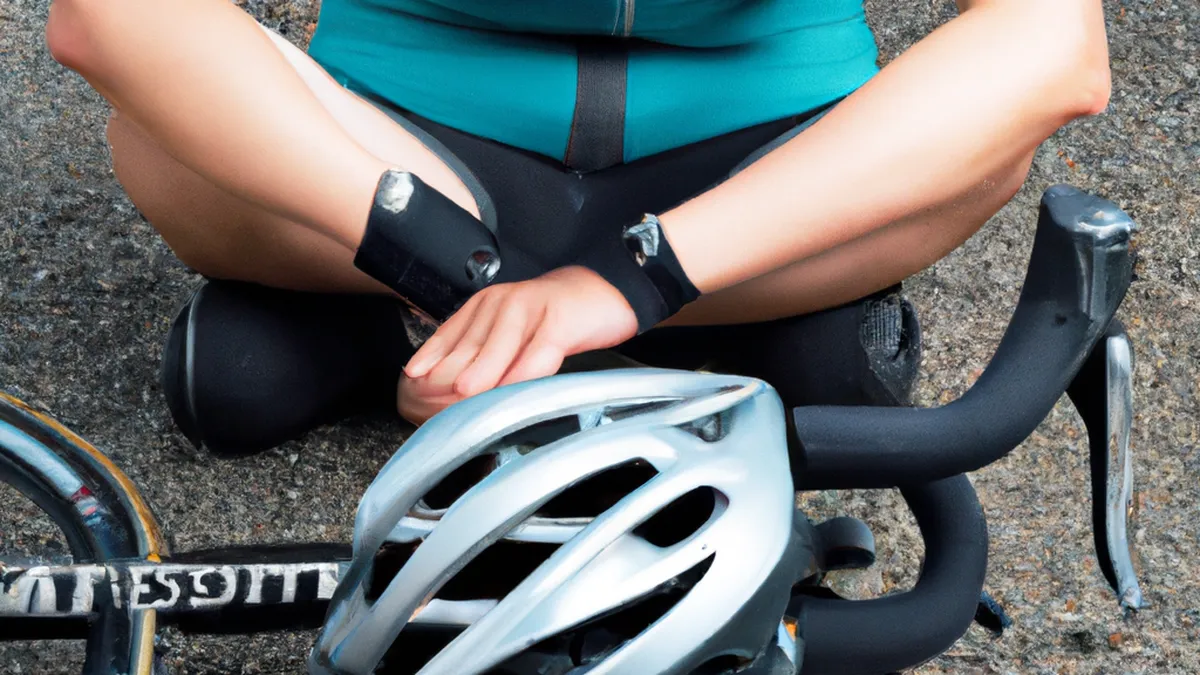
Macronutrient Breakdown for Women Cyclists (Time Trial Cyc
Addressing Nutrition Needs for Female CyclistsCycling requires physical endurance and a solid understanding of nutrition. Female cyclists need proper nutrition to enhance performance, optimize recovery, and maintain health. Women have unique physiological needs, which significantly impact their cycling experience. Let’s explore essential nutrition aspects for female cyclists.
Understanding Your Energy Needs
Cyclists’ energy needs vary based on age, weight, intensity, and duration. Female cyclists generally require fewer calories than males but should not compromise on nutrition. Focus on nutrient-dense foods that provide energy without empty calories.Women typically need around 2,000 to 2,500 calories daily, depending on training intensity. Long-distance rides or high-intensity training may increase caloric needs. Monitor your body’s signals and adjust caloric intake for optimal performance and recovery.
Macronutrients Matter
Balancing macronutrients—carbohydrates, proteins, and fats—supports cycling performance. Each macronutrient plays a specific role.**Carbohydrates** serve as the primary energy source for cyclists. They fuel long rides and maintain stamina. Focus on complex carbohydrates like whole grains, fruits, and vegetables. Oatmeal, brown rice, quinoa, sweet potatoes, and legumes provide sustained energy and essential nutrients.**Proteins** aid muscle repair and recovery, especially after intense rides. Female cyclists should consume 1.2 to 2.0 grams of protein per kilogram of body weight daily. Include lean meats, poultry, fish, dairy, and plant-based protein sources like beans and nuts. This balanced approach promotes efficient muscle recovery and injury prevention.**Fats** also play a crucial role in a cyclist’s diet. Healthy fats support hormone regulation, brain function, and overall health. Incorporate avocados, nuts, seeds, and olive oil. These fats provide energy and promote long-term well-being.
Stay Hydrated
Hydration is critical for optimal cycling performance. Cycling causes significant fluid loss through sweat, especially during long rides or hot weather. Staying hydrated maintains energy levels, supports muscle function, and aids recovery.Aim for at least 2 to 3 liters of water daily, adjusting based on activity and climate. During longer rides, use electrolyte drinks to replenish lost minerals. Key electrolytes include sodium, potassium, and magnesium.
Conclusion
As an Amazon Associate I earn from qualifying purchases.
Gear tip: consider bike helmet, cycling shoes, and bike computer to support this topic.
In summary, female cyclists must prioritize nutrition, focusing on energy needs, balanced macronutrients, and hydration. Adopting these practices enhances performance, recovery, and overall health.
Below are related products based on this post:
FAQ
What are the energy needs for female cyclists?
Female cyclists generally require around 2,000 to 2,500 calories daily, depending on their training intensity. This range may increase during long-distance rides or high-intensity training. It’s essential to monitor your body’s signals to adjust caloric intake for optimal performance and recovery.
Why are macronutrients important for female cyclists?
Macronutrients—carbohydrates, proteins, and fats—are crucial for supporting cycling performance. Carbohydrates provide the primary energy source, proteins aid in muscle repair, and healthy fats support overall health. A balanced intake of these macronutrients enhances endurance and recovery.
How much water should female cyclists drink?
Female cyclists should aim to drink at least 2 to 3 liters of water daily, adjusting based on activity level and climate. Staying hydrated is vital for maintaining energy levels, supporting muscle function, and aiding recovery, especially during long rides.














Post Comment