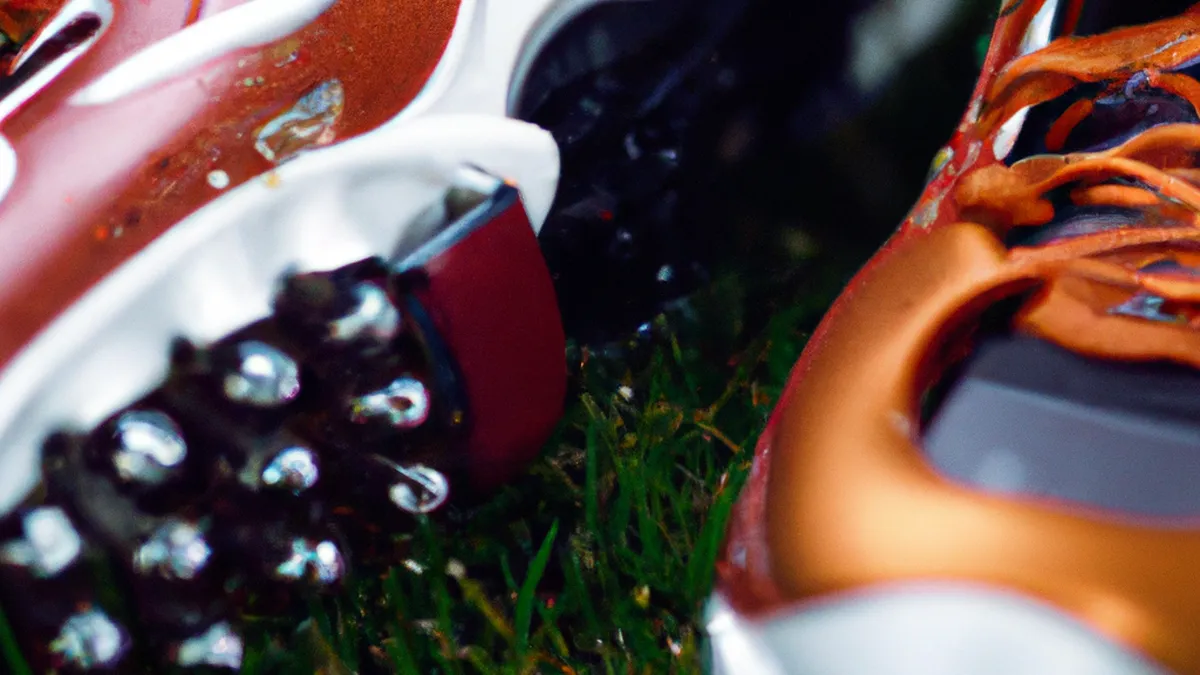
Sneaker Science: Biomechanics Explained
The Impact of Footwear on BiomechanicsFootwear influences fashion, comfort, health, and physical performance. It affects how we walk, run, and stand. Choosing the right footwear is essential for everyone, from athletes to casual walkers. Understanding footwear’s impact on biomechanics helps maintain function and prevent injuries.
Understanding Biomechanics
Biomechanics studies the mechanical laws of living organisms’ movement and structure. It examines forces acting on the body during movement. These forces impact our performance and health. Our feet serve as the foundation of our body. Shoes influence gait, balance, and posture, affecting overall biomechanics.
The Role of Footwear in Gait
Gait describes our movement patterns while walking or running. Footwear significantly affects our gait mechanics. Shoes dictate weight distribution and impact absorption. Cushioned shoes promote softer landings but may lead to overstriding. Overstriding increases stress on joints like knees and hips.Minimalist shoes mimic barefoot conditions and promote natural gait. They encourage forefoot strikes, reducing impact on the heel and lower leg. This can lower injury risk. However, transitioning to minimalist footwear needs careful adaptation. Muscles and tendons require time to strengthen.
Changes in Balance and Stability
Footwear impacts our balance and stability. High heels elevate the heel and shift gravity forward. This change increases fall risk, especially for older adults. Wearing high heels can strain the lower back, knees, and ankles, causing chronic discomfort.Flat shoes with good arch support provide stability. A wide toe box allows better foot splay, enhancing stability and reducing injury risk. The design and fit of footwear are crucial for proper biomechanics and preventing falls.
Tips for Choosing the Right Footwear
As an Amazon Associate I earn from qualifying purchases.
Gear tip: consider football, receiver gloves, and mouthguard to support this topic.
Choosing the right shoes involves considering foot type, activity level, and fit. Here are essential tips for informed footwear choices.
Consider Your Foot Type
First, assess your foot type. Different structures require different support types. Individuals with flat feet may benefit from stability shoes that offer arch support and control overpronation.
Conclusion
Choosing the right footwear is vital for health and performance. Proper shoes enhance biomechanics and reduce injury risk.
Below are related products based on this post:
FAQ
How does footwear influence biomechanics?
Footwear plays a significant role in biomechanics by affecting how we walk, run, and stand. The type of shoes we wear can alter our gait, balance, and posture, which in turn impacts our overall physical performance and health. Choosing appropriate footwear is essential for maintaining proper function and preventing injuries.
What is the importance of understanding gait in relation to footwear?
Gait refers to the movement patterns we exhibit while walking or running, and footwear has a considerable influence on these mechanics. Shoes determine weight distribution and how impact is absorbed during movement. For instance, cushioned shoes may promote softer landings but can lead to overstriding, which increases stress on joints.
What should I consider when choosing footwear?
When selecting footwear, it’s important to consider your foot type, activity level, and how well the shoes fit. Different foot structures require specific types of support, such as stability shoes for flat feet. Ensuring a proper fit and appropriate design can greatly enhance stability and reduce the risk of injury.











Post Comment