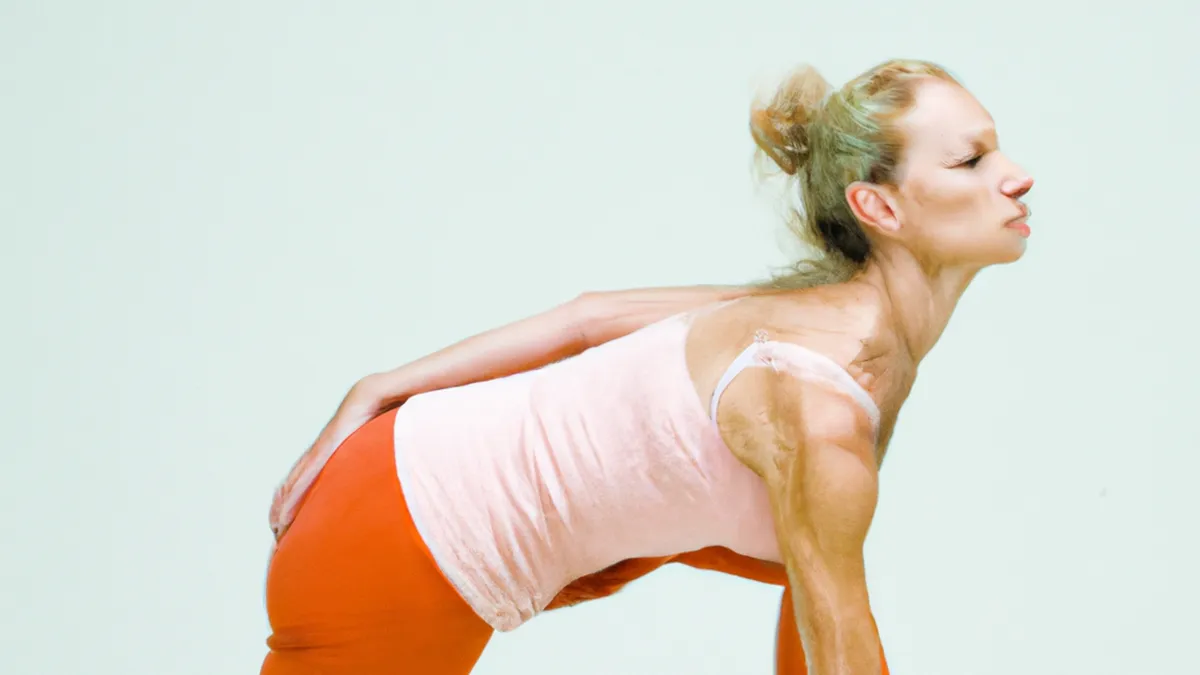
Vinyasa Flow: Harnessing Energy in Movement
Advanced Vinyasa Flow Techniques: Elevate Your PracticeVinyasa flow combines breath and movement into a dynamic dance. It weaves physical strength, mental focus, and spiritual awareness. As practitioners advance, they seek to deepen their practice and explore challenging techniques. This blog post highlights advanced vinyasa flow techniques that transform your yoga experience and strengthen your body-mind connection.
Understanding Advanced Vinyasa Flow
Advanced vinyasa flow includes complex transitions and challenging poses. These require strength, flexibility, and mindfulness. As you progress, you notice increased body awareness, improving alignment and control. In this stage, focus shifts from executing poses to experiencing energy flow and breath rhythm.
Mastering Breath Integration
Breath forms the foundation of vinyasa flow. It connects movement and mindfulness, enabling smooth transitions between poses. In advanced practice, mastering breath integration becomes essential. Synchronize your inhales and exhales with each movement. For example, inhale while lifting your arms overhead and exhale while folding forward. This synchronization enhances flow and creates a meditative state.To deepen your breath work, practice Ujjayi breathing, or “victorious breath.” This technique involves constricting the throat slightly to create a steady, audible breath. Using Ujjayi breathing during your flow maintains focus and generates internal heat. As you attune to your breath, notice increases in energy and focus, enabling you to tackle challenging poses confidently.
Exploring Complex Transitions
Advanced vinyasa flow often includes complex transitions that connect poses seamlessly. For instance, move from Downward Dog to Lizard Pose, challenging your flexibility and coordination. Transitioning from Warrior II to Reverse Warrior provides another excellent example. These movements enhance physical abilities and deepen your understanding of engaging different muscle groups.To master these transitions, break them into smaller components. Focus on each movement separately before linking them. This method builds confidence and clarity in your practice. As you become comfortable with transitions, your movements will flow smoothly, creating a beautiful rhythm.
Incorporating Arm Balances
Arm balances add excitement and challenge to your vinyasa flow practice. They require strength, balance, and concentration, pushing you to engage your core. Poses like Crow, Side Crow, and Handstand can significantly elevate your practice. Prepare for these poses with foundational exercises that strengthen your arms, shoulders, and core.
Conclusion
As an Amazon Associate I earn from qualifying purchases.
Gear tip: consider yoga strap, stretching strap, and yoga blocks to support this topic.
In conclusion, advanced vinyasa flow techniques deepen your practice and enhance your connection to body and mind.
Below are related products based on this post:
FAQ
What is advanced vinyasa flow?
Advanced vinyasa flow involves complex transitions and challenging poses that require strength, flexibility, and mindfulness. Practitioners focus on enhancing body awareness and improving alignment as they progress through their practice. The emphasis shifts from merely executing poses to experiencing the flow of energy and breath rhythm.
How can I improve my breath integration in vinyasa flow?
To improve breath integration, synchronize your inhales and exhales with your movements. For example, inhale while lifting your arms overhead and exhale while folding forward. Practicing Ujjayi breathing can also enhance focus and create internal heat, allowing you to tackle challenging poses with greater confidence.
What are some examples of complex transitions in advanced vinyasa flow?
Complex transitions include movements such as going from Downward Dog to Lizard Pose and transitioning from Warrior II to Reverse Warrior. These transitions challenge your flexibility and coordination while enhancing your understanding of engaging different muscle groups. Breaking these movements into smaller components can help you master them more effectively.













Post Comment