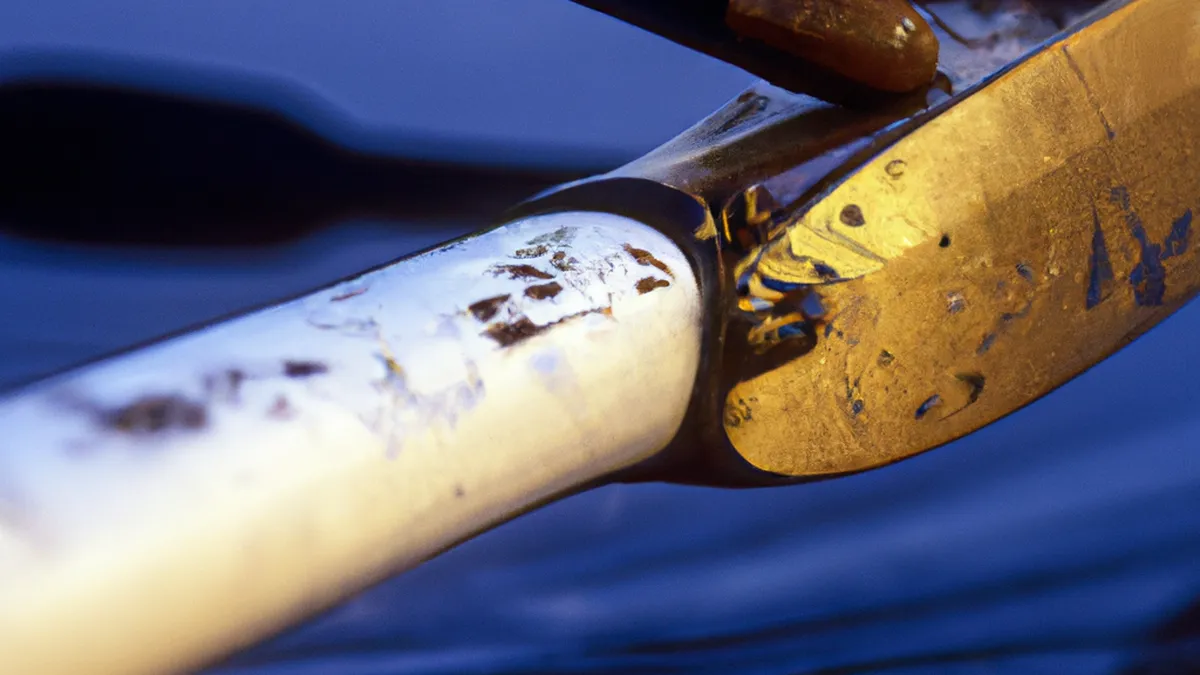
Tidy Up: Rowing Equipment Cleaning Tips
Maintenance Tips for Rowing EquipmentRowing builds strength, endurance, and teamwork. To enjoy rowing, care for your equipment. Proper maintenance keeps gear in top shape and prolongs its lifespan. This guide offers essential tips for maintaining your rowing equipment and ensuring optimal performance and safety.
Regular Cleaning
Clean your rowing equipment to enhance its longevity. Dirt, salt, and grime can cause wear and tear. Follow these steps to clean your gear effectively:
Rinse After Use
Rinse your boat and oars after each session. Freshwater removes salt, sand, and debris that corrode materials. Saltwater especially causes rust and damage to metal and composite components. Rinsing also prevents algae growth on your hull, maintaining performance.
Use Mild Soap
For deeper cleaning, use mild soap and a soft cloth or sponge. Avoid harsh chemicals and abrasive cleaners that scratch surfaces. Scrub gently to remove stubborn stains. Focus on areas where dirt accumulates, such as footrests, seat tracks, and storage compartments.
Dry Thoroughly
Dry your equipment thoroughly after cleaning. This step prevents rust and mildew. Ensure all components, including the boat’s interior, remain moisture-free before storage. A wet boat can lead to mold growth, damaging materials over time.
Inspecting Equipment
As an Amazon Associate I earn from qualifying purchases.
Gear tip: consider rower gloves, seat pad, and dry bag to support this topic.
Regular inspections catch potential issues before they escalate. Here’s what to examine:
Check for Cracks and Damage
Inspect your boat for cracks, chips, or wear. Examine the hull and joints, which endure the most stress. Small cracks can expand and cause significant problems if untreated. Repair any damage promptly, using marine epoxy or contacting a professional for serious repairs.
Examine Oars and Blades
Regularly inspect your oars, your primary tools on the water. Look for splintering wood or cracks in composite materials. Check the blades for chips or deformation, as damaged blades affect rowing efficiency. Replace any affected parts quickly to ensure strong performance.
Assess Rigging and Hardware
Check your boat’s rigging and hardware regularly. Ensure all bolts, screws, and clips remain tight and secure. Loose hardware can cause structural issues while rowing, leading to accidents. Inspect lines for fraying or wear, and replace them as needed.
Conclusion
Maintain your rowing equipment regularly for optimal performance, safety, and longevity. Follow these cleaning and inspection tips to enjoy smooth sailing.
Below are related products based on this post:
FAQ
Why is regular cleaning important for rowing equipment?
Regular cleaning enhances the longevity of rowing equipment by removing dirt, salt, and grime that can cause wear and tear. Freshwater rinsing is crucial after each session to prevent rust and corrosion, especially from saltwater. This maintenance step also helps avoid algae growth on the hull, ensuring optimal performance.
How should I clean my rowing gear?
To clean your rowing gear, rinse the boat and oars with freshwater after each use. For deeper cleaning, use mild soap and a soft cloth or sponge to scrub gently, avoiding harsh chemicals. Focus on areas where dirt accumulates, and ensure to dry the equipment thoroughly to prevent rust and mildew.
What should I inspect on my rowing equipment?
Regular inspections should include checking for cracks and damage on the boat’s hull and joints, as well as examining oars and blades for any signs of wear. Additionally, assess the rigging and hardware to ensure all components are secure and in good condition. Address any issues promptly to maintain safety and performance.











Post Comment