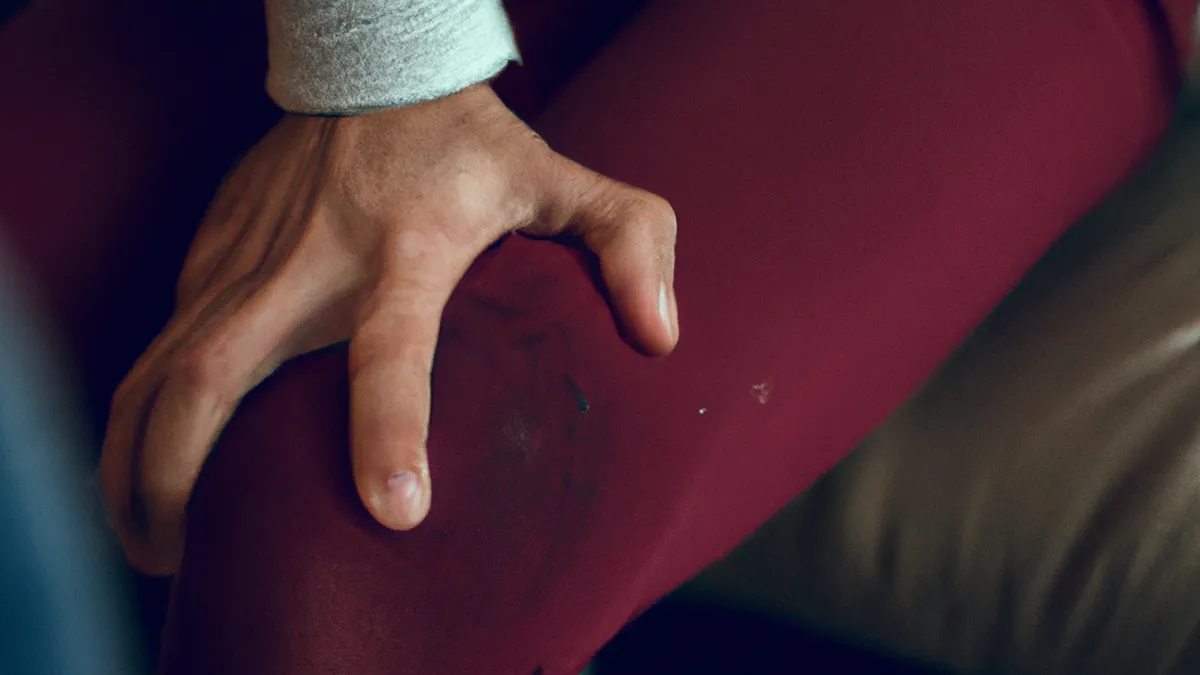
Not Just a Man’s Game: Back Injuries Explored
Gender Differences in Back InjuryBack injuries significantly impact millions globally each year. Research shows that gender affects injury types, causes, and recovery processes. Men and women experience back injuries differently due to biological, anatomical, and psychological factors. Understanding these differences aids in creating effective prevention and treatment strategies, improving health outcomes for both genders. This post discusses gender differences in back injury, offers prevention tips, explores recovery, and highlights the importance of recognizing these differences.
Understanding Gender Differences
Recognizing physiological and anatomical differences between men and women helps understand gender’s impact on back injuries. Men generally have greater muscle mass and bone density, making them more susceptible to acute injuries from heavy lifting or intense activities. Studies show men experience more sudden trauma injuries, like strains or sprains, due to higher engagement in physically demanding jobs or activities.Women often have higher body fat percentages and more flexible ligaments and tendons. This flexibility may increase chronic pain risk, particularly in the lower back. Research indicates women report higher pain levels than men for similar injuries, influenced by biological and psychological factors. Hormonal fluctuations during the menstrual cycle affect pain perception and tolerance, complicating recovery.Additionally, women are more likely to develop conditions like fibromyalgia and chronic pain syndromes, complicating their experiences with back injuries. This disparity in pain perception can discourage women from seeking help or adhering to treatment plans, worsening their conditions.
Tips for Preventing Back Injuries
As an Amazon Associate I earn from qualifying purchases.
Gear tip: consider compression sleeves, compression socks, and percussive massager to support this topic.
Preventing back injuries is vital for everyone and requires a proactive approach. Here are practical tips to maintain a healthy back:
1. Maintain Proper Posture
Proper posture is crucial for back health. Whether sitting or standing, maintain an aligned spine. Use ergonomic chairs that support your lumbar area, and adjust your workspace to enhance posture. Take frequent breaks to stretch and walk around during long sitting periods. Consider standing desks to reduce prolonged sitting.
2. Strengthen Core Muscles
A strong core supports the spine and helps prevent injuries. Incorporate exercises like planks, bridges, and pelvic tilts to strengthen your core. Aim for at least three workouts weekly, focusing on strength and flexibility. Activities like yoga and Pilates enhance core strength and improve body mechanics.
3. Use Proper Lifting Techniques
When lifting heavy objects, use correct techniques to minimize strain.
Conclusion
Recognizing gender differences in back injuries helps tailor prevention and treatment strategies. Implementing proper posture, strengthening core muscles, and using correct lifting techniques can significantly reduce injury risk.
Below are related products based on this post:
FAQ
How do gender differences affect back injuries?
Gender differences significantly influence the types, causes, and recovery processes of back injuries. Men typically experience more acute injuries due to greater muscle mass and engagement in physically demanding activities, while women face higher risks of chronic pain due to anatomical differences and hormonal factors.
What are some effective tips for preventing back injuries?
To prevent back injuries, maintaining proper posture is crucial, whether sitting or standing. Strengthening core muscles through exercises like planks and using correct lifting techniques can also help minimize strain on the back.
Why do women report higher pain levels for similar back injuries?
Women often report higher pain levels than men for similar injuries, which can be attributed to biological and psychological factors. Hormonal fluctuations during the menstrual cycle can influence pain perception and tolerance, complicating recovery from back injuries.














Post Comment