Equipment to Enhance Bone Density in Older Adults
Senior Athlete Considerations for Bone Health
Senior athletes experience body changes that impact performance and well-being. Bone health is a critical concern. Strong bones support athletic performance, prevent injuries, and enhance quality of life. Athletes over 50 face unique challenges with bone density and strength. Understanding these challenges allows seniors to maintain athletic ability while protecting their health.
The Importance of Bone Health
Bone health matters for everyone but becomes crucial with age. Peak bone mass occurs in our late twenties, followed by gradual density decline. Senior athletes may face greater risks from training and competition. Reduced bone density raises the likelihood of fractures and osteoporosis. Prioritizing bone health remains essential for safe and effective athletic participation.
Tips for Maintaining Bone Health
As an Amazon Associate I earn from qualifying purchases.
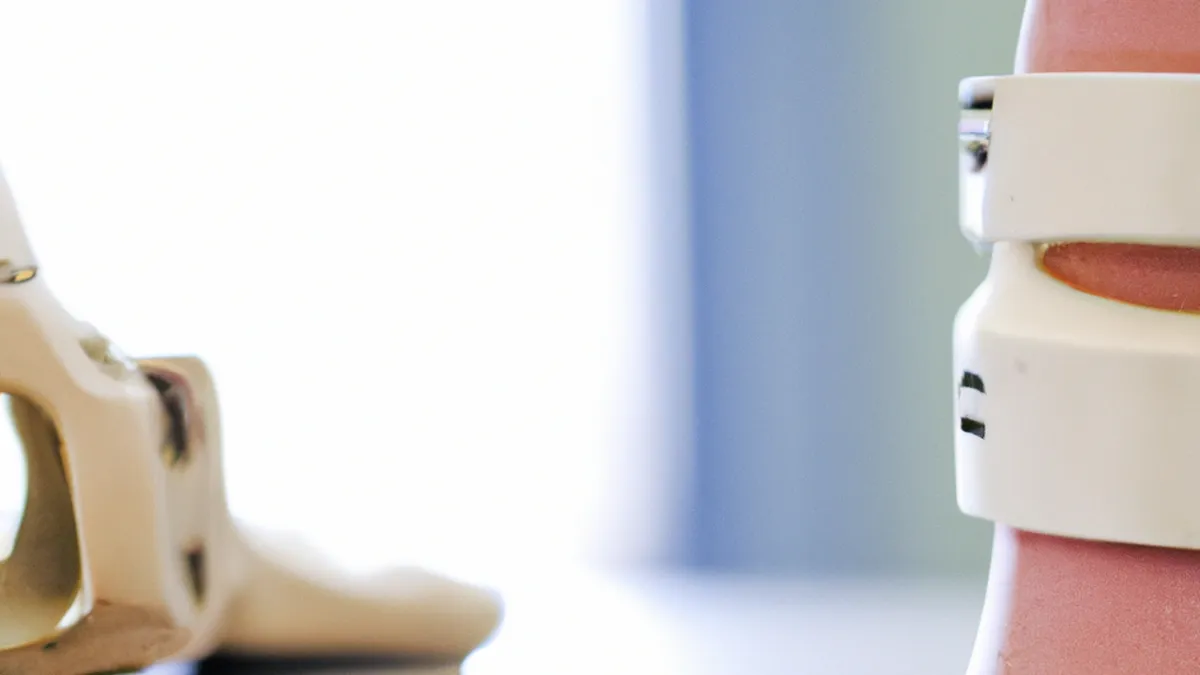
Gear tip: consider knee brace, ankle brace, and patellar strap to support this topic.
1. Prioritize Weight-Bearing Exercises
Weight-bearing exercises effectively maintain and improve bone density. Activities that challenge gravity stimulate bone growth. Consider these options:- **Walking**: A simple and effective way to promote bone health.- **Jogging**: Increases impact on bones and helps build density.- **Dancing**: A fun activity offering weight-bearing exercise benefits.- **Resistance Training**: Using weights or bands strengthens muscles and bones.Aim for 150 minutes of moderate exercise weekly, mixing cardiovascular and strength-training activities.
2. Incorporate Balance and Flexibility Training
Balance and flexibility exercises enhance stability and lower fall risks. Activities like yoga and tai chi improve coordination and core strength. These exercises strengthen bones indirectly by improving body mechanics and reducing fall risks.Dedicate specific sessions each week to balance and flexibility. Include a 15- to 30-minute routine of stretching and balance exercises in your schedule.
3. Monitor Your Vitamin D and Calcium Intake
Vitamin D and calcium support bone health. Vitamin D aids calcium absorption, while calcium strengthens bones. Seniors often risk deficiencies due to limited sun exposure or dietary intake.- **Calcium**: Aim for 1,200 mg daily from dairy, fortified plant milks, leafy greens, and almonds.- **Vitamin D**: Recommended intake ranges from 800 to 1,000 IU daily. Sources include fatty fish, fortified foods, and sunlight.Consider getting your levels checked regularly.
Conclusion
Maintaining bone health is vital for senior athletes. Prioritize weight-bearing exercises, balance training, and monitor nutrient intake to support strong bones.
Below are related products based on this post:
FAQ
Why is bone health important for senior athletes?
Bone health is crucial for senior athletes as it supports athletic performance, prevents injuries, and enhances overall quality of life. With age, bone density gradually declines, increasing the risk of fractures and osteoporosis. Maintaining strong bones allows seniors to continue participating in sports safely and effectively.
What types of exercises are recommended for maintaining bone health?
Weight-bearing exercises are highly recommended for maintaining and improving bone density. Activities such as walking, jogging, dancing, and resistance training effectively stimulate bone growth and strength. It is advised to aim for 150 minutes of moderate exercise weekly, combining both cardiovascular and strength-training activities.
How can seniors ensure they are getting enough vitamin D and calcium?
To support bone health, seniors should monitor their vitamin D and calcium intake. The daily recommendation for calcium is 1,200 mg, while vitamin D intake should range from 800 to 1,000 IU. Sources include dairy, fortified plant milks, leafy greens, fatty fish, and sunlight, and it’s advisable to have nutrient levels checked regularly.













Post Comment