
**”The Impact of Electrolyte Imbalance on Athletic Performance: Understanding How Proper Hydration Influences Muscle Function and Recovery”**
# The Impact of Electrolyte Imbalance on Athletic Performance: Understanding How Proper Hydration Influences Muscle Function and Recovery
Athletic performance is influenced by numerous factors, one of the most critical being hydration. While many athletes focus on training regimens and nutrition, the role of electrolytes in hydration often goes overlooked. Electrolytes—minerals such as sodium, potassium, magnesium, and calcium—play a pivotal role in muscle function, nerve signaling, and overall physical performance. This blog post will explore how electrolyte imbalance affects athletes, offering insights into hydration strategies, nutrition tips, and the health benefits of maintaining optimal electrolyte levels.
## The Role of Electrolytes in Muscle Function
Electrolytes are essential for various bodily functions, particularly in maintaining fluid balance and muscle contractions. In addition, they help transmit electrical signals between cells, which is crucial for muscle movement. When an athlete engages in strenuous activity, they lose electrolytes through sweat. Consequently, this loss can lead to imbalances that significantly impair performance.
### Understanding Electrolyte Imbalance
An electrolyte imbalance occurs when the levels of these minerals are either too high or too low in the bloodstream. For instance, low sodium levels, known as hyponatremia, can result from excessive sweating without adequate sodium intake. Symptoms may include muscle cramps, fatigue, and dizziness. On the other hand, high potassium levels, or hyperkalemia, can lead to serious health complications, including cardiac issues.
### Symptoms of Electrolyte Imbalance
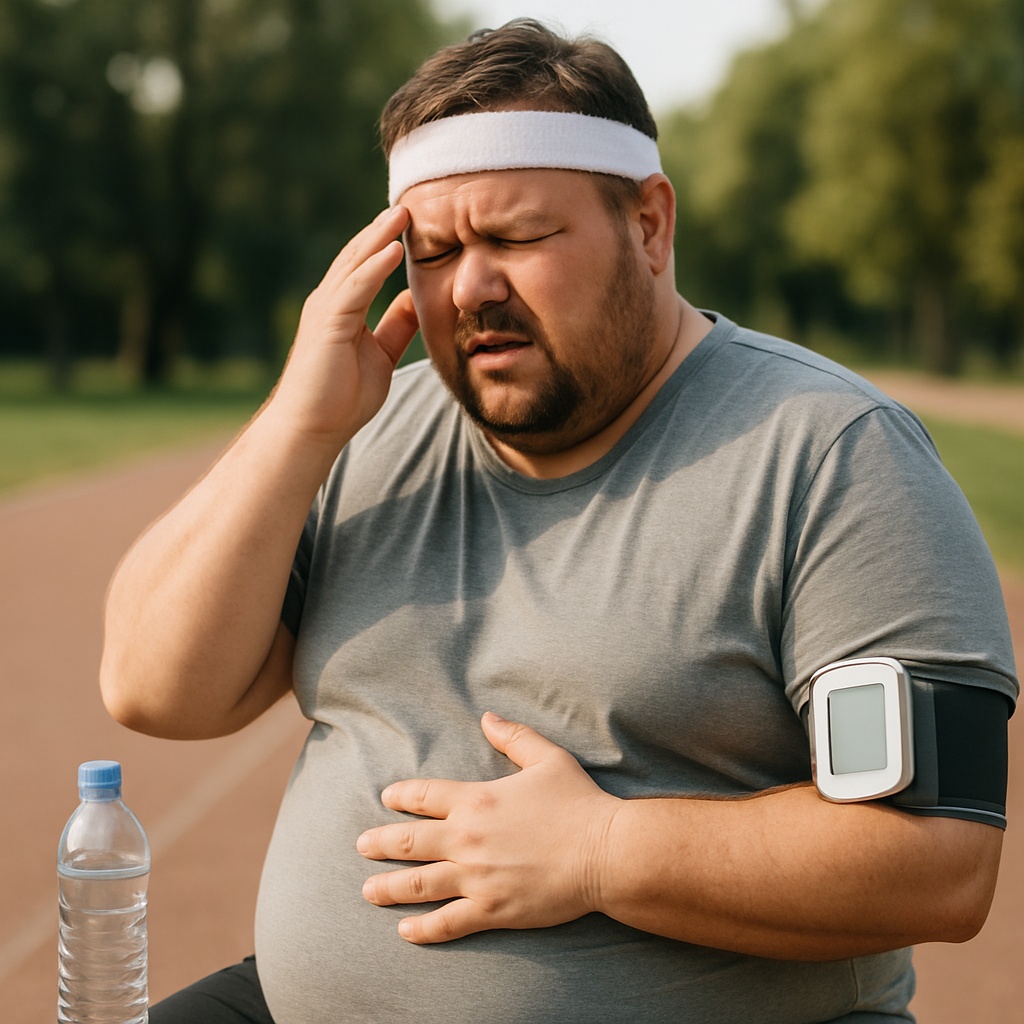
Recognizing the symptoms of electrolyte imbalance is crucial for athletes. Common signs include:
– Muscle cramps and spasms
– Fatigue and weakness
– Nausea and vomiting
– Dizziness or lightheadedness
– Irregular heartbeats
If athletes experience these symptoms, immediate attention to hydration and electrolyte replenishment is essential. Moreover, consulting a healthcare professional can provide tailored advice for recovery.
## The Link Between Hydration and Performance
Proper hydration is fundamental for optimal athletic performance. When athletes are well-hydrated, they experience improved endurance, strength, and overall physical capacity. Conversely, dehydration can lead to diminished performance, risking both health and athletic goals.
### Effects of Dehydration on Performance
Dehydration can lead to a decrease in blood volume, reducing the amount of oxygen and nutrients transported to muscles. This condition can result in early fatigue, decreased coordination, and slower reaction times. Studies indicate that even a 1-2% loss of body weight due to dehydration can lead to significant performance declines. Therefore, maintaining adequate hydration levels is crucial for athletes to perform at their best.
### Hydration Strategies for Athletes
To ensure optimal hydration, athletes can adopt several strategies:
1. **Pre-Workout Hydration:** Drink water or electrolyte-rich beverages in the hours leading up to exercise.
2. **During Exercise:** Consume fluids regularly, especially during prolonged workouts. Sports drinks containing electrolytes can help replenish lost minerals.
3. **Post-Workout Recovery:** Rehydrate with water and consider consuming electrolyte-rich foods, such as bananas or coconut water, to replace lost minerals.
## Nutrition Tips for Maintaining Electrolyte Balance
A well-balanced diet rich in electrolytes can greatly enhance athletic performance and recovery. Moreover, understanding which foods to include can help athletes maintain optimal levels.
### Foods Rich in Electrolytes
– **Sodium:** Table salt, pickles, and olives.
– **Potassium:** Bananas, sweet potatoes, spinach, and avocados.
– **Calcium:** Dairy products, leafy greens, and fortified plant-based milks.
– **Magnesium:** Nuts, seeds, and whole grains.
Incorporating these foods into daily meals can help maintain electrolyte balance. Furthermore, athletes should consider their individual sweat rates and the intensity of their workouts to tailor their intake accordingly.
### Supplementation Considerations
While a balanced diet is the best way to obtain necessary electrolytes, some athletes may benefit from supplementation. However, it’s essential to consult with a healthcare professional before adding any supplements to ensure they meet individual needs and do not lead to overconsumption.
## Health Benefits Beyond Performance
Maintaining proper hydration and electrolyte balance offers benefits that extend beyond athletic performance. Consequently, it aids in overall health and well-being.
### Improved Recovery Times
Proper hydration speeds up recovery by facilitating nutrient transport to muscles and removing metabolic waste. In addition, adequate electrolyte levels can reduce the risk of muscle soreness and cramping, allowing athletes to train more consistently and effectively.
### Enhanced Mental Clarity
Hydration also impacts cognitive function. Studies suggest that even mild dehydration can lead to decreased focus and increased fatigue. Therefore, maintaining hydration levels can enhance both physical and mental performance, allowing athletes to stay sharp during competition.
## Conclusion
In summary, the impact of electrolyte imbalance on athletic performance is profound, influencing muscle function, recovery, and overall health. Proper hydration is essential for maximizing performance and minimizing health risks. By understanding the role of electrolytes, recognizing the symptoms of imbalance, and implementing effective hydration and nutrition strategies, athletes can enhance their performance and recovery. Therefore, prioritizing hydration should be a fundamental component of any athlete’s training regimen.
### FAQ
**1. What are the symptoms of an electrolyte imbalance that athletes should watch for?**
Common symptoms of electrolyte imbalance include muscle cramps and spasms, fatigue and weakness, nausea and vomiting, dizziness or lightheadedness, and irregular heartbeats. If athletes experience these symptoms, they should address their hydration and consider consulting a healthcare professional for tailored recovery advice.
**2. How does dehydration affect athletic performance?**
Dehydration can significantly diminish athletic performance by decreasing blood volume, which reduces the oxygen and nutrients delivered to muscles. Even a 1-2% loss of body weight due to dehydration can lead to early fatigue, decreased coordination, and slower reaction times, highlighting the importance of maintaining adequate hydration levels.
**3. What are some effective hydration strategies for athletes?**
Athletes can adopt several hydration strategies, including drinking water or electrolyte-rich beverages before workouts, consuming fluids regularly during exercise (especially sports drinks containing electrolytes), and rehydrating post-workout with water and electrolyte-rich foods like bananas or coconut water to replace lost minerals.












Post Comment