
Grass vs Turf: Which is Better?
Choosing the Right Training Surface: A Comprehensive GuideSelecting the right training surface significantly impacts athletes’ performance, training effectiveness, and injury risk. With many options available, making an informed choice proves challenging. This guide helps you understand various surfaces and choose the best one for your needs.
Understanding Different Training Surfaces
Athletes train on various surfaces designed for specific sports. These include grass, turf, track, and gym floors. Understanding each surface’s characteristics helps you tailor your choice to your training requirements.
Grass Surfaces
Many athletes prefer natural grass for sports like soccer, rugby, and football. Grass provides excellent shock absorption, reducing injury risks like sprains and strains. Its softness makes it easier on joints. However, grass can become muddy and uneven in wet weather, increasing the risk of slips. Maintaining a grass field requires regular mowing and watering, which can be challenging for training facilities.
Turf Surfaces
Turf, often made from synthetic materials, mimics natural grass’s look and feel. Its engineered design allows for better drainage, ensuring usability in various weather conditions. Turf is popular in sports like soccer, football, and lacrosse. While it offers a consistent playing surface, it can be firmer than grass, increasing joint impact. Some athletes may feel discomfort or face a higher injury risk while training on turf for extended periods.
Track Surfaces
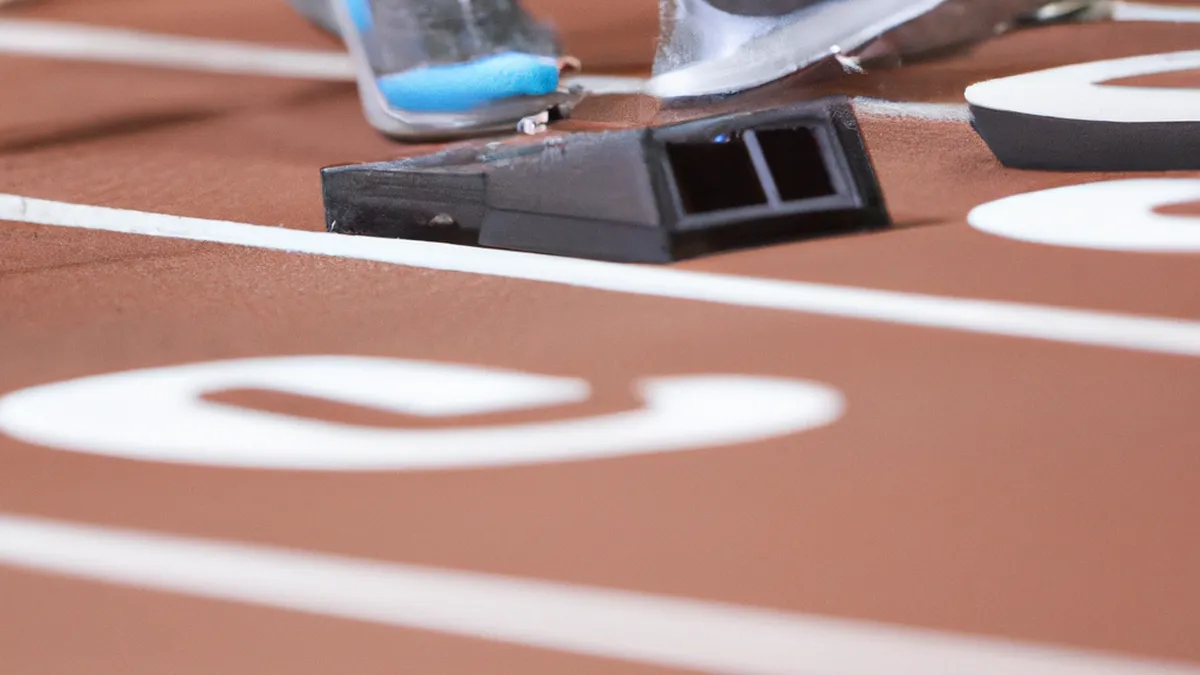
Track surfaces, made from rubber or polyurethane, cater specifically to running and field events. They provide excellent grip and shock absorption. Tracks support sprinters and distance runners, promoting optimal performance and reducing injury risks. However, the monotony of running on a track may disappoint some athletes seeking variety in their training environment.
Gym Floors
Gym floors, commonly found in indoor facilities, typically consist of hardwood or synthetic materials. These surfaces suit sports like basketball, volleyball, and indoor soccer. They offer good traction and cushioning for dynamic movements. However, gym floors may not suit high-impact activities like running, as they can feel too hard during extended sessions. Poor maintenance can cause slipperiness, posing risks during intense training.
Tips for Choosing the Right Training Surface
As an Amazon Associate I earn from qualifying purchases.
Gear tip: consider soccer cleats, sleep tracker ring, and soccer ball to support this topic.
Selecting the right training surface involves considering various factors. Here are some essential tips to guide your decision-making process.
1. **Consider Your Sport**
Different sports require specific surfaces for optimal performance.
Conclusion
Choose your training surface wisely to enhance performance and minimize injury risks.
Below are related products based on this post:
FAQ
What factors should I consider when choosing a training surface?
When selecting a training surface, it’s essential to consider the specific requirements of your sport. Different surfaces, such as grass, turf, track, and gym floors, offer distinct benefits and drawbacks that can impact performance and injury risk.
Why is grass a popular choice for certain sports?
Grass surfaces are favored for sports like soccer, rugby, and football due to their excellent shock absorption and softness, which help reduce injury risks. However, they require regular maintenance and can become muddy and uneven in wet conditions.
What are the advantages of turf surfaces?
Turf surfaces provide a consistent playing area and better drainage compared to natural grass, making them suitable for various weather conditions. However, they can be firmer and may increase joint impact, potentially leading to discomfort for athletes training on them for extended periods.













Post Comment