Scuba Divers’ Guide: Flexibility vs Endurance
Flexibility Routines for Scuba DiversScuba diving requires physical fitness and flexibility. Flexibility helps divers maneuver underwater and enhances comfort. It reduces injury risks and improves performance. This blog post presents effective flexibility routines for scuba divers.
Why Flexibility Matters in Scuba Diving
Diving involves twisting, bending, and stretching. Tight muscles hinder efficient movement. Therefore, flexibility is crucial for a better diving experience.Flexibility also helps you manage buoyancy. Adjusting your body position easily conserves energy. This conservation allows longer dives and more exploration.
Common Tight Areas for Divers
Many divers feel tightness in specific areas like hips, shoulders, and lower back. Identify your tight areas to improve flexibility. Targeting these areas enhances your diving experience.Hip flexors play a vital role in kicking and maintaining position. Tight hips restrict movement and cause fatigue. Flexible shoulders help you handle gear effortlessly.
Effective Flexibility Routines
As an Amazon Associate I earn from qualifying purchases.
Gear tip: consider yoga strap, stretching strap, and yoga blocks to support this topic.
Incorporate these routines into your training. Aim for at least three sessions weekly for optimal results.
Dynamic Stretching Before Diving
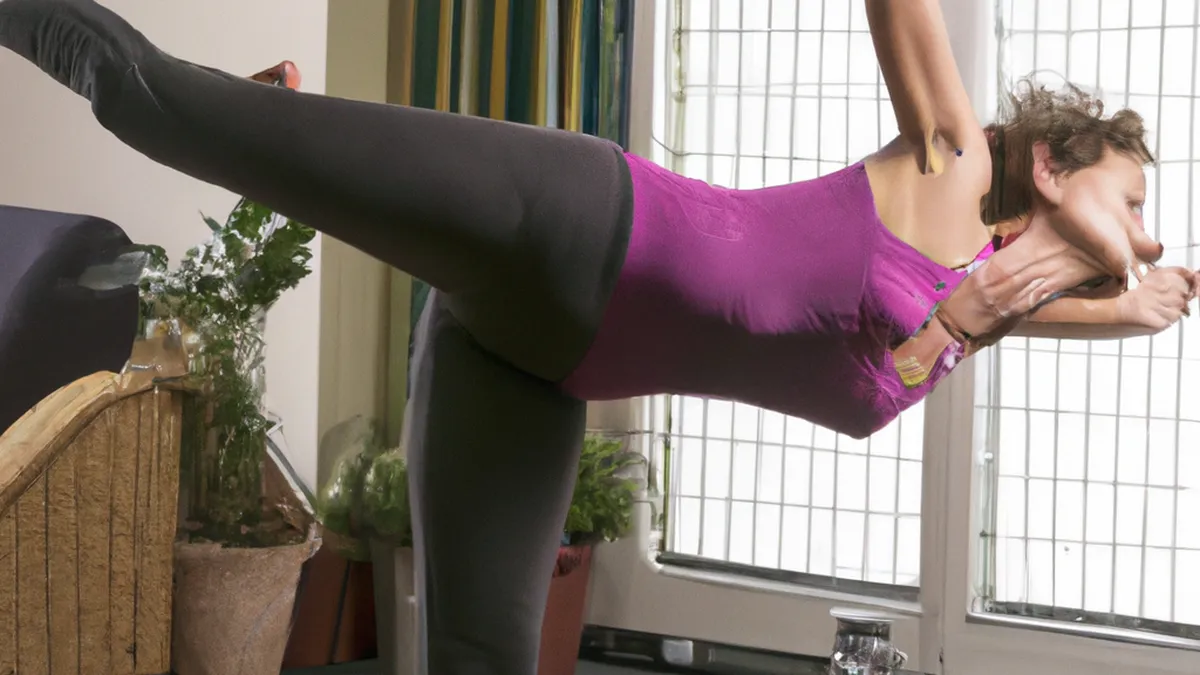
Start with dynamic stretching to warm up your muscles. Here are a few dynamic stretches:1. **Arm Circles**: Stand tall, extend arms, and make small circles. Do this for 30 seconds forward and backward.2. **Leg Swings**: Hold onto a wall for balance. Swing one leg forward and backward, then switch legs after 10 swings.3. **Torso Twists**: Stand with feet shoulder-width apart. Rotate your upper body side to side for 30 seconds.Dynamic stretching increases blood flow and loosens tight muscles. Perform this before diving to prevent injuries.
Static Stretching After Diving
After diving, focus on static stretching for recovery and flexibility. Here are some effective static stretches:1. **Hip Flexor Stretch**: Kneel on one knee, with the other foot flat in front. Push hips forward gently and hold for 30 seconds on each side.2. **Shoulder Stretch**: Bring one arm across your body. Use the other arm to pull it closer and hold for 20-30 seconds on each side.3. **Lower Back Stretch**: Sit with legs extended and reach towards your toes. Hold for 20-30 seconds while keeping your back straight.Static stretching relaxes muscles after a dive. It alleviates tightness and improves range of motion.
Incorporate Yoga into Your Routine
Yoga enhances flexibility through stretching, strength, and breath control. Many poses target tight areas for divers.1. **Downward Dog**: Stretch shoulders, hamstrings, and calves. Hold for 30 seconds to feel the stretch.2. **Pigeon Pose**: This deep hip opener enhances hip flexibility. Hold for 30 seconds on each side.3. **Cat-Cow Stretch**: Increase spinal flexibility by alternating between arching and rounding your back for 1 minute.Regular yoga practice benefits diving performance. It improves balance, strength, and mental focus.
Additional Tips for Improving Flexibility
Maximize your flexibility routine with these tips:- **Stay Consistent**: Commit to your routine for the best results. Practice regularly to improve flexibility over time.- **Listen to Your Body**: Stop if you feel pain. Stretching should be gentle and relaxing.- **Use Props**: Consider yoga blocks or straps for deeper stretches and proper alignment.- **Warm Up First**: Always warm up before stretching to prevent injuries and prepare muscles for movement.
Benefits of Flexibility for Divers
Enhancing flexibility brings many benefits. First, it reduces injury risks. Flexible muscles absorb stress better, making you less prone to strains.Second, improved flexibility enhances your range of motion. You maneuver easily underwater, leading to smoother dives and enjoyable experiences.Lastly, flexibility aids relaxation. Stretching and deep breathing positively impact your body. This relaxation improves focus during dives.
Conclusion
Flexibility routines are vital for scuba divers. They enhance performance, prevent injuries, and improve overall diving experiences. Incorporate dynamic and static stretches, along with yoga, to significantly increase flexibility. Stay consistent and listen to your body. Enjoy flexibility benefits, and dive safely!
Below are related products based on this post:
FAQ
Why is flexibility important for scuba divers?
Flexibility is crucial for scuba divers as it enhances maneuverability underwater and increases comfort during dives. It reduces the risk of injuries and improves overall performance, allowing divers to move efficiently and handle their equipment with ease.
What are some effective flexibility routines for divers?
Divers should incorporate dynamic stretching before diving and static stretching after diving. Dynamic stretches like arm circles and leg swings warm up the muscles, while static stretches such as hip flexor and shoulder stretches aid in recovery and enhance flexibility.
How can yoga benefit scuba divers?
Yoga improves flexibility, strength, and breath control, which are essential for diving. Poses like Downward Dog and Pigeon Pose specifically target tight areas, enhancing overall performance and promoting better balance and mental focus during dives.











Post Comment